
Coating phosphoric acid for feeds
A phosphoric acid and coating technology, applied in the direction of animal feed, animal feed, application, etc., can solve the problems of affecting the quality of the feed, the pigs do not eat the food, the material turns green, etc., to improve the protein digestibility, the production process is simple, the guarantee Using the effect of the effect
Patent Information
- Authority / Receiving Office
- CN · China
- Patent Type
- Applications(China)
- Current Assignee / Owner
- Publication Date
- 2011-04-06
- Estimated Expiration
- Not applicable · inactive patent
Smart Images
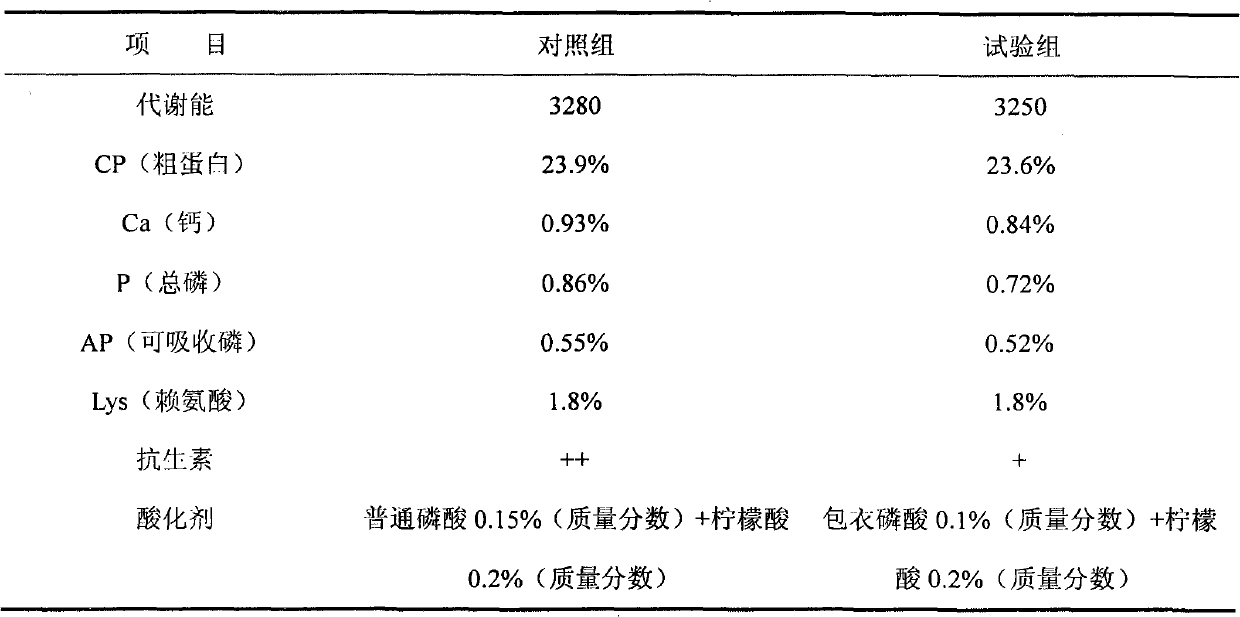
Figure 1 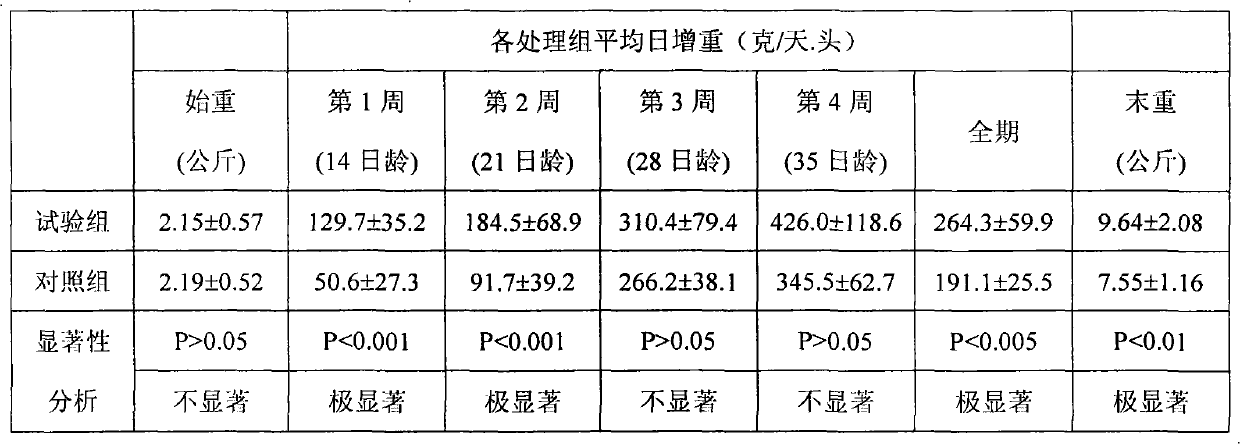
Figure 2 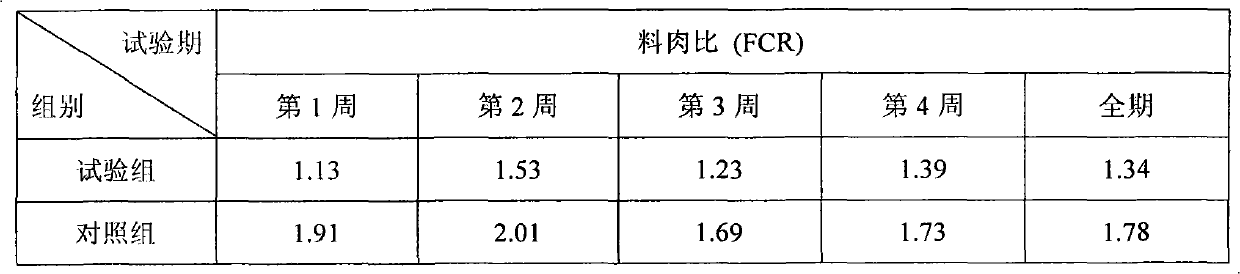
Figure 3
Abstract
Description
Technical field:
[0001] The invention relates to a feed additive and a preparation method thereof, in particular to a coating phosphoric acid for feed and a preparation method of the coating phosphoric acid. Background technique:
[0002] Monogastric juvenile animals such as piglets grow fast, have strong metabolism and strong nutrient utilization ability, but due to immature digestive organs, imperfect functions, poor immunity, insufficient gastric acid secretion, and low protease activity, piglets are weaned and replaced with After the solid feed, the vegetable and animal proteins in the feed cannot be fully condensed in the stomach, the protease function is incomplete, the time for the feed to reach the small intestine through the stomach is too fast, and the feed is not fully digested, resulting in nutritional diarrhea in piglets and resulting in feed utilization. Decreased growth rate and decreased growth performance, commonly known as "weaning stress syndrome in piglet...
Examples
Embodiment 1
[0033] Preparation of coating phosphoric acid
[0034] Weigh 63kg of 40-60 mesh granular silicon dioxide in a conical mixer, add 117kg of pure phosphoric acid solution while stirring, continue to stir for 5 minutes after the addition of phosphoric acid, and discharge to obtain 178.6kg of granular phosphoric acid. Then put the prepared granular phosphoric acid into the fluidized bed coating machine, spray into the stomach-soluble coating solution for coating, and the coating solution formula is composed as follows: polyacrylic acid resin E3012kg; hydroxypropyl methylcellulose 8kg; water 180kg. After the coating solution is sprayed, dry it with hot air at 90°C and sieve to obtain about 201.2kg of coated phosphoric acid. The particle size of the coated phosphoric acid is 40-60 mesh. The weight of the stomach-dissolving coating layer is the total weight of the coated phosphoric acid 11.0%.
[0035] The coated phosphoric acid in this example has no shedding or breakage during the...
Embodiment 2
[0057] Preparation of coating phosphoric acid
[0058] Weigh 126kg of 40-80mesh granular silicon dioxide into a conical mixer, add 54kg of pure phosphoric acid solution while stirring, continue stirring for 5 minutes after adding phosphoric acid, and discharge to obtain 179.6kg of granular phosphoric acid. Then put the prepared granular phosphoric acid into the fluidized bed coating machine, spray it into the stomach-soluble coating solution for coating, the coating solution formula is as follows: polyacrylic acid resin E307.5kg; hydroxypropyl methylcellulose 2.5kg kg; water 90kg. After spraying the coating solution, dry it with hot air at 90°C and sieve to obtain about 189.4kg of coated phosphoric acid. The particle size of the coated phosphoric acid is 40-80 mesh. 5.0%.
[0059] Anti-moisture absorption and acid-base reaction test of coated phosphoric acid:
[0060] Get above-mentioned coating phosphoric acid 20g in sealed plastic bag, then get 20g feed grade sodium bicar...
Embodiment 3
[0063] Preparation of coating phosphoric acid
[0064] Weigh 90kg of 60-80mesh granular silicon dioxide into the conical mixer, add 90kg of pure phosphoric acid solution while stirring, continue stirring for 5 minutes after adding phosphoric acid, and discharge to obtain 179.1kg of granular phosphoric acid. Then put the prepared granular phosphoric acid into a fluidized bed coating machine, spray into the stomach-soluble coating solution for coating, and the coating solution formula is composed as follows: polyethylene glycol 4000 44kg. After the coating solution is sprayed, cool to room temperature, blow dry, and sieve to obtain about 223.3kg of finished coated phosphoric acid. The particle size of the coated phosphoric acid is 40-80 mesh. 19.8% of the total weight.
[0065] The coated phosphoric acid in this example has no shedding or breakage during the production, processing and stirring and mixing process of adding to the feed. After being mixed with the feed, it will n...