
Polybenzimidazole with side groups and ether bonds and preparation method and application thereof
A technology of polybenzimidazole and side groups, which is applied in the field of polybenzimidazole and its preparation, can solve the problems of poor solubility, etc., and achieve the effect of increasing solubility, size, oxidation stability and methanol permeability improvement
Patent Information
- Authority / Receiving Office
- CN · China
- Patent Type
- Applications(China)
- Current Assignee / Owner
- Publication Date
- 2013-12-11
- Estimated Expiration
- Not applicable · inactive patent
Smart Images
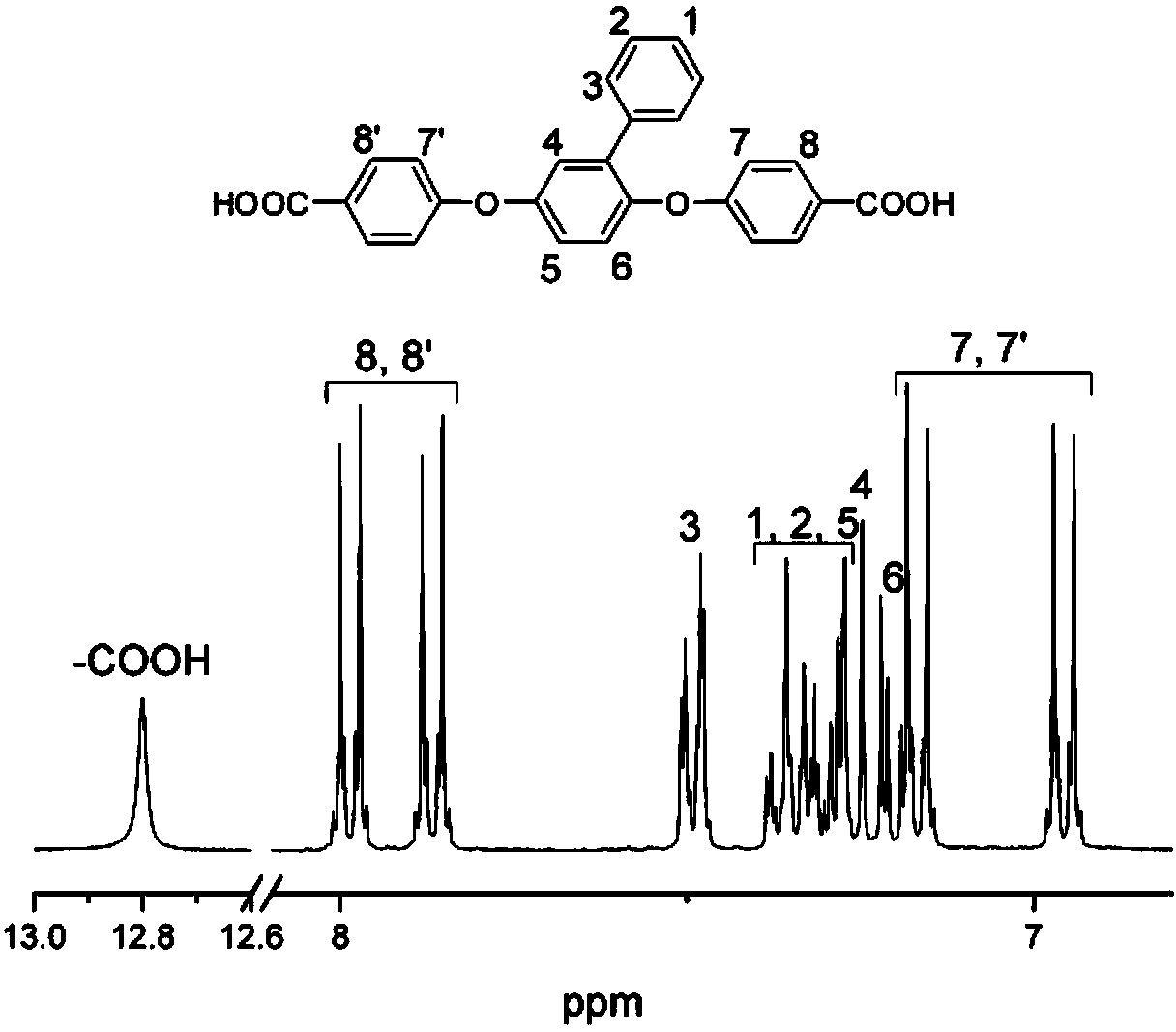
Figure 1 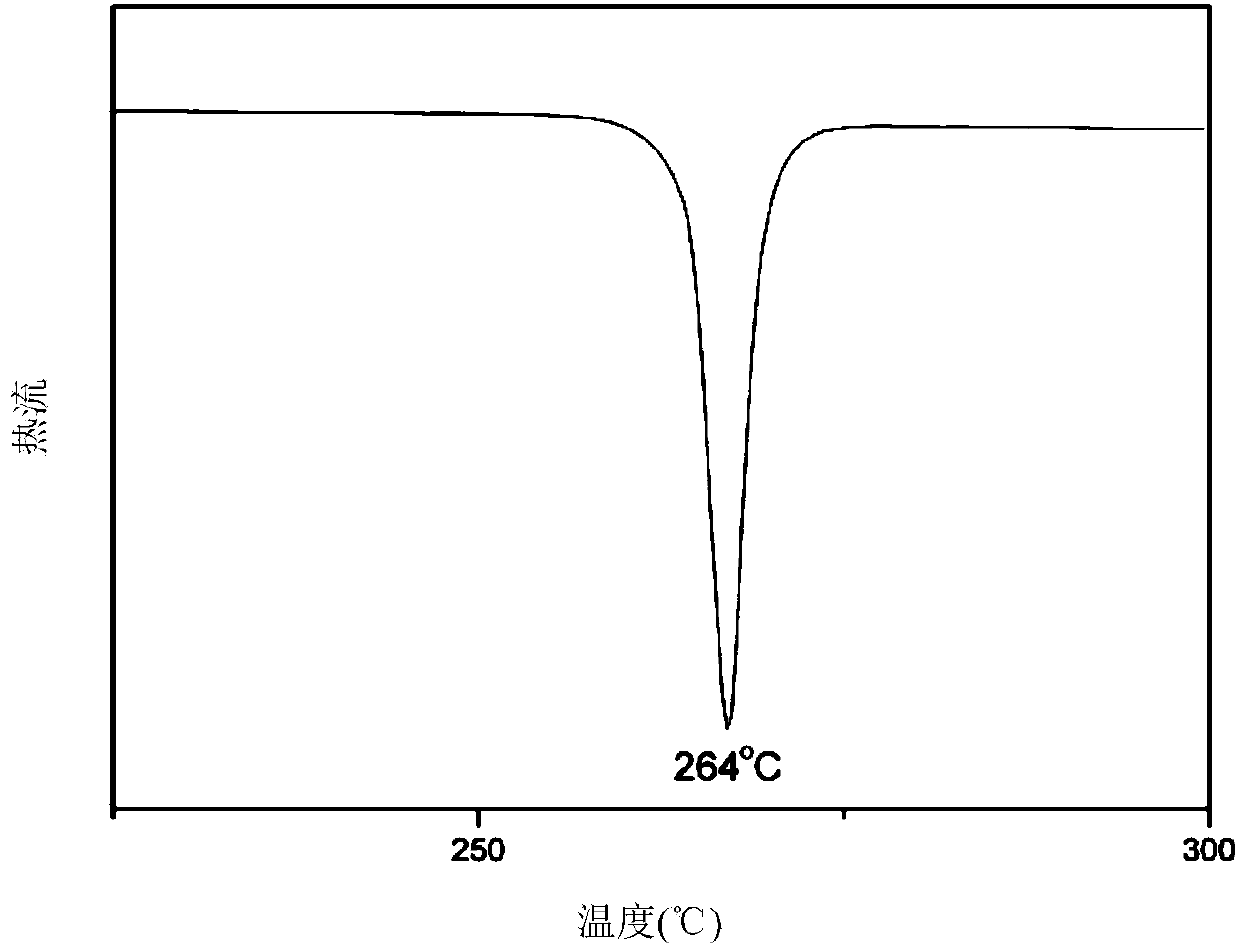
Figure 2 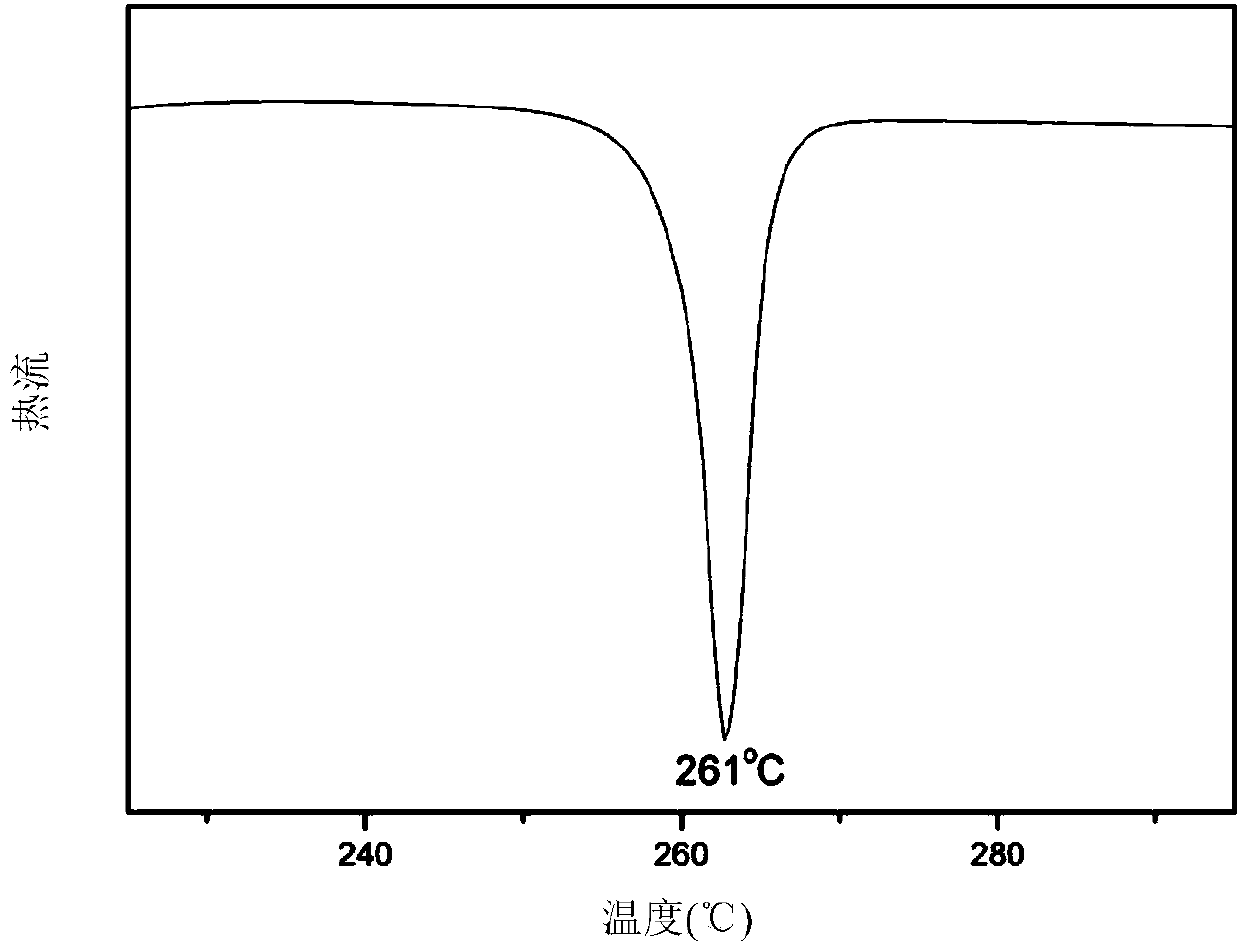
Figure 3
Abstract
Description
technical field
[0001] The invention belongs to the technical field of polymer materials and their synthesis, and in particular relates to polybenzimidazoles containing side groups and ether bonds and their preparation methods and applications. Background technique
[0002] Polybenzimidazole (PBI) is a class of special engineering plastics with excellent thermal stability, mechanical properties and flame retardancy, which can be used as high-temperature structural adhesives, high-strength fibers, foam materials, flame-resistant fabrics, heat-resistant films and reinforcements Plastics are widely used in high-tech fields such as the aerospace industry. In recent years, the research on the application of sulfonated or phosphoric acid-doped polybenzimidazoles in the field of proton exchange membranes for high-temperature fuel cells has also made important progress. However, PBI has the disadvantages of complex preparation process, difficult processing and high price, which lim...
Examples
Embodiment 1
[0043]Dissolve 3.7242g (0.02mol) of 2-phenylhydroquinone in 55mL of a mixed solution of DMF and toluene with a mass ratio of 4:1 (the moles of DMF and toluene are 0.547196 and 0.108530 respectively), and add 5.66579g (0.041 mol) anhydrous potassium carbonate, reflux at 150°C for 3 hours, add 4.96511g (0.041mol) p-fluorobenzonitrile, react at 160°C for 6 hours, and then recrystallize with acetone to obtain diphenylmethane containing benzene side groups and ether bonds Nitrile monomer 6.99156g, its fusing point is 141 ℃, productive rate is 90%;
[0044] Dissolve 6.99156 g (0.018 mol) of the dibenzonitrile monomer containing phenyl side groups and ether bonds in a solution of 140 mL of ethanol and water with a mass ratio of 1:1 (0.017148:0.055556), and add 44.8 g ( 0.8mol) of potassium hydroxide for hydrolysis (the system can be heated to reflux and maintained at reflux for 24 hours). After hydrolysis is complete, the pH of the solution is adjusted to 1 with hydrochloric acid. A...
Embodiment 2
[0049] Using 6.20g (0.045mol) of p-chlorobenzonitrile instead of p-fluorobenzonitrile, and repeating Example 1, 4,4'-(1,4-phenoxy-2-phenyl)dibenzoic acid mono body with a melting point of 264°C and a yield of 81%.
Embodiment 3
[0051] Weigh 5.1654g (0.02mol) of 4-ethyl formate phenylhydroquinone and dissolve it in 55mL of a mixed solution of DMF and toluene with a mass ratio of 4:1 (the moles of DMF and toluene are 0.547196 and 0.108530 respectively), and add 5.66579g (0.041mol) of anhydrous potassium carbonate, reflux at 150°C for 3 hours, add 4.96511g (0.041mol) of p-fluorobenzonitrile, react at 160°C for 6 hours, and recrystallize with acetone to obtain 8.28g of 4,4'-[1,4-phenoxy-2-(3-carboxyethyl)-phenyl]dibenzonitrile monomer, with a melting point of 141°C and a yield of 90%;
[0052] 8.28g (0.018mol) of the 4,4'-[1,4-phenoxy-2-(3-carboxyethyl)-phenyl]dibenzonitrile monomer containing side groups and ether bonds Dissolve in 140mL of ethanol and water with a mass ratio of 1:1 (0.017148:0.055556), and add 22.4g (0.4mol) of potassium hydroxide for hydrolysis (the system can be heated to reflux and maintained at reflux for 24 hours), After the hydrolysis is complete, adjust the pH of the solution t...