
NH3 sensor of mesoporous WO3 material based on supported precious metal Pt and preparation method of NH3 sensor
A precious metal and gas sensor technology, which is applied in the direction of analyzing materials, material resistance, and material analysis through electromagnetic means, so as to achieve the effects of simple manufacturing process, favorable mass production, and improved sensitivity
Patent Information
- Authority / Receiving Office
- CN · China
- Patent Type
- Applications(China)
- Current Assignee / Owner
- Publication Date
- 2016-07-20
- Estimated Expiration
- Not applicable · inactive patent
Smart Images
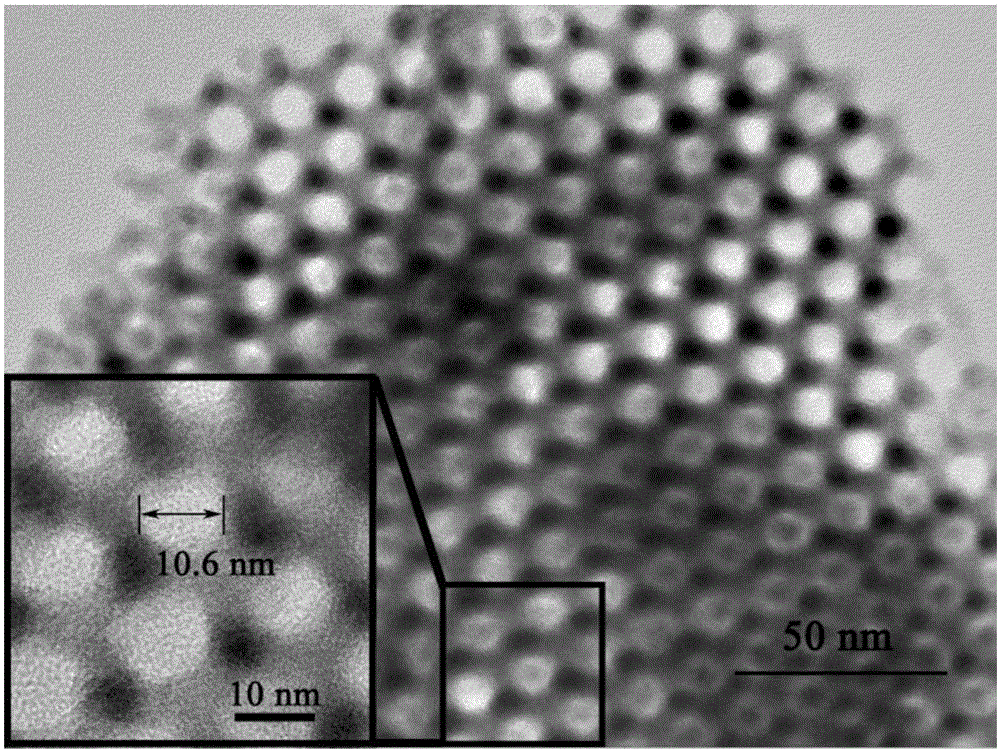
Figure 1 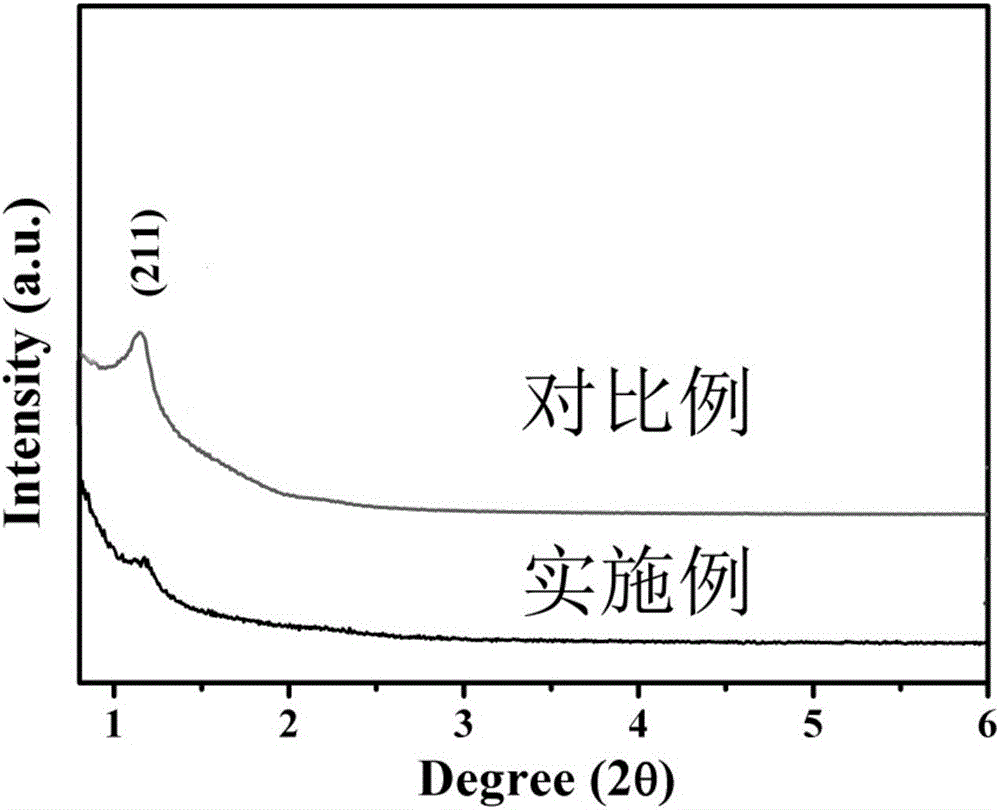
Figure 2 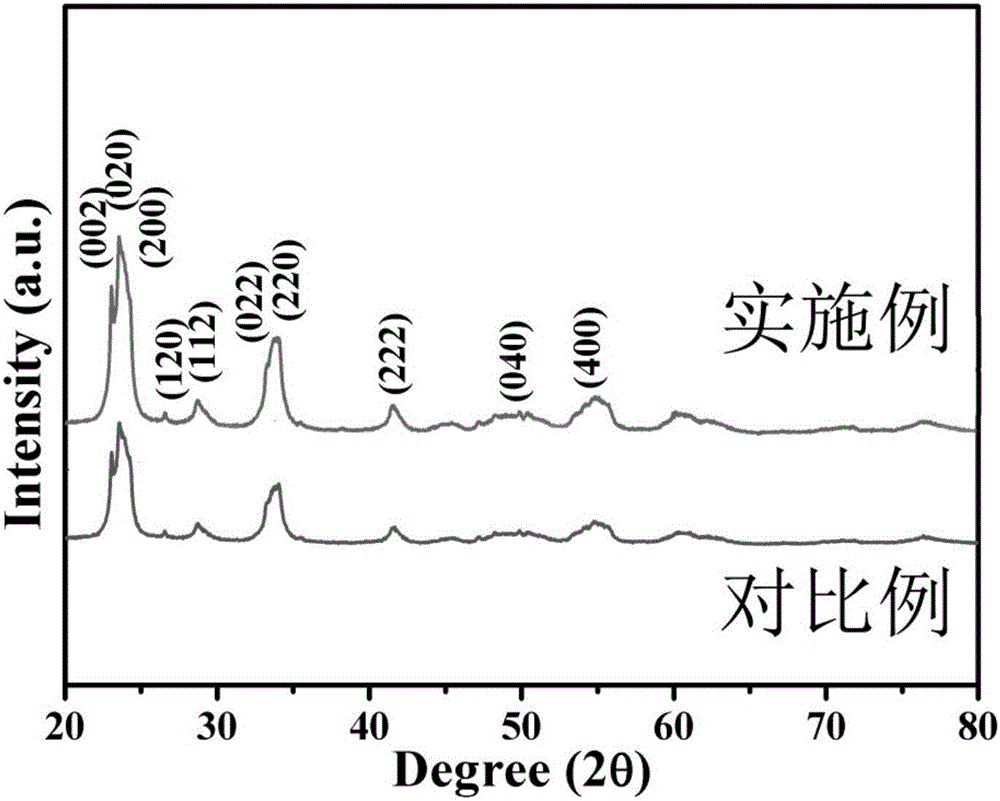
Figure 3
Abstract
Description
technical field
[0001] The invention belongs to the technical field of semiconductor oxide gas sensors, in particular to a mesoporous WO based on loaded noble metal Pt 3 NH of material 3 Gas sensor and its preparation method. Background technique
[0002] Ammonia (NH 3 ) can be used to manufacture ammonia water, nitrogen fertilizer (urea, ammonium bicarbonate, etc.), compound fertilizer, nitric acid, ammonium salt, soda ash, etc., and is widely used in chemical industry, light industry, chemical fertilizer, pharmaceutical, synthetic fiber and other fields. Nitrogen-containing inorganic salts, organic intermediates, sulfonamides, polyurethane, polyamide fibers, and nitrile rubber all need ammonia as raw materials. In addition, liquid ammonia is often used as a refrigerant and can also be used as a biofuel to provide energy. It is universal and extensive in application. However, ammonia gas is highly water-soluble and is a colorless, alkaline, irritating gas that is highl...
Examples
Embodiment 1
[0042] Mesoporous WO loaded with noble metal Pt 3 Material as sensitive material to make NH 3 Sensor, its specific production process:
[0043] 1. First, take 0.7g of phosphotungstic acid and 0.5g of KIT-6 and dissolve them in 20mL of ethanol respectively, mix the two solutions and place them in a water bath at 50°C for 4 hours. After drying at 70°C, heat the powder at 500°C Sinter for 3 hours; in order to improve the filling of KIT-6 channels, repeat the above operation twice, that is, add the ethanol solution of all the sintered products just prepared to the ethanol solution of phosphotungstic acid, the amount of phosphotungstic acid Decrease to 0.35g and 0.15g in turn, and the rest of the conditions remain unchanged; the final composite product is sintered at 600°C for 2h.
[0044] 2. Dissolve about 1.7g of the above-mentioned sintered powder into 40mL hydrofluoric acid solution with a concentration of 4mol / L, stir at room temperature for 2 hours to remove the KIT-6 templ...