
A method for preparing thermosensitive polymer pnipam film by plasma-induced solution polymerization
A temperature-sensitive polymer and plasma technology, which is applied in the field of preparing temperature-sensitive polymer PNIPAM film, can solve the problems of easily damaged shape, unstable chemical properties, complicated process, etc. The effect of less steps and simple process
Patent Information
- Authority / Receiving Office
- CN · China
- Patent Type
- Patents(China)
- Current Assignee / Owner
- Publication Date
- 2019-03-12
Smart Images
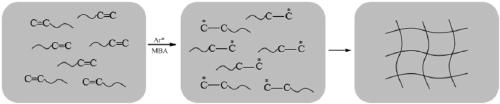
Figure 1 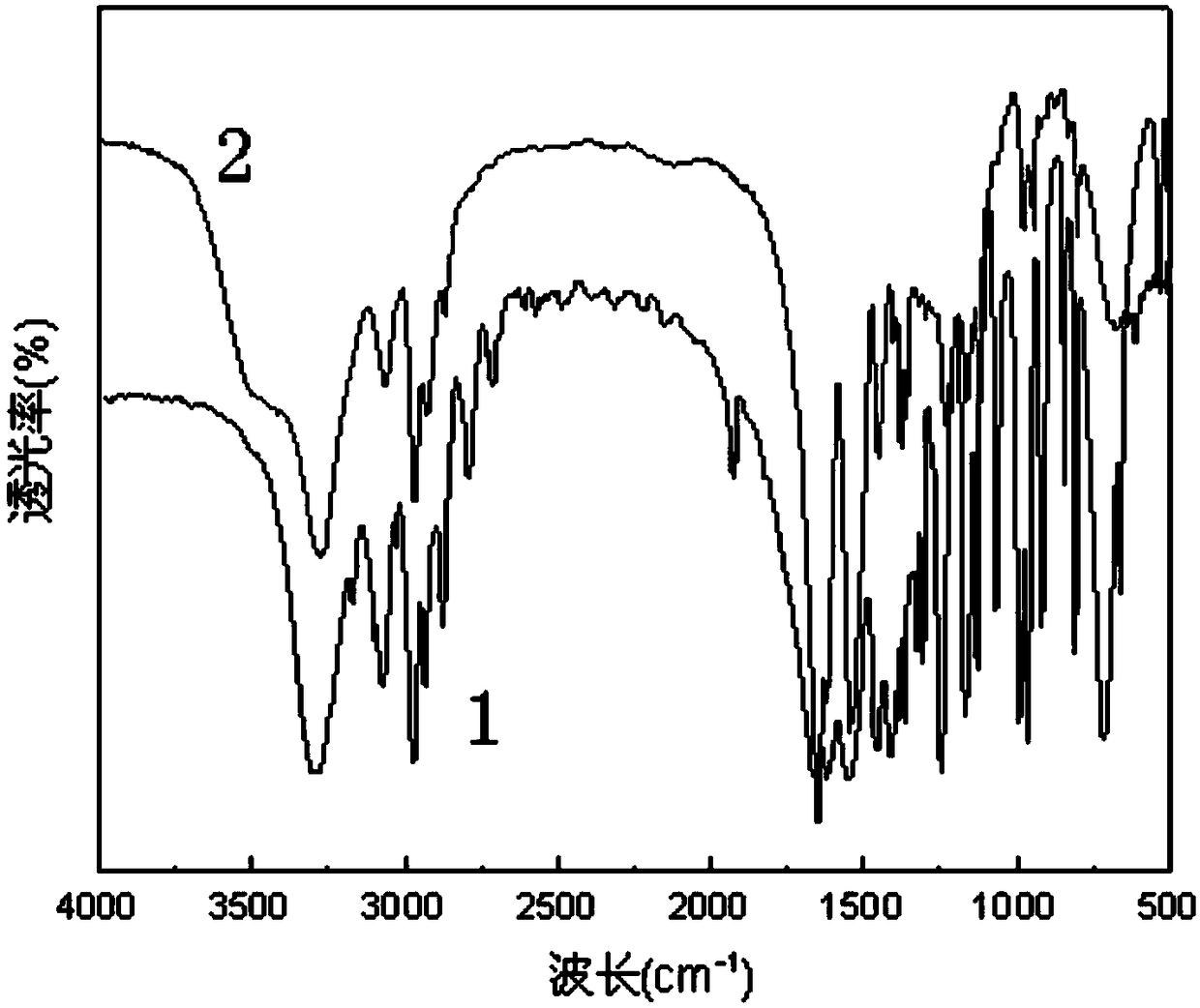
Figure 2 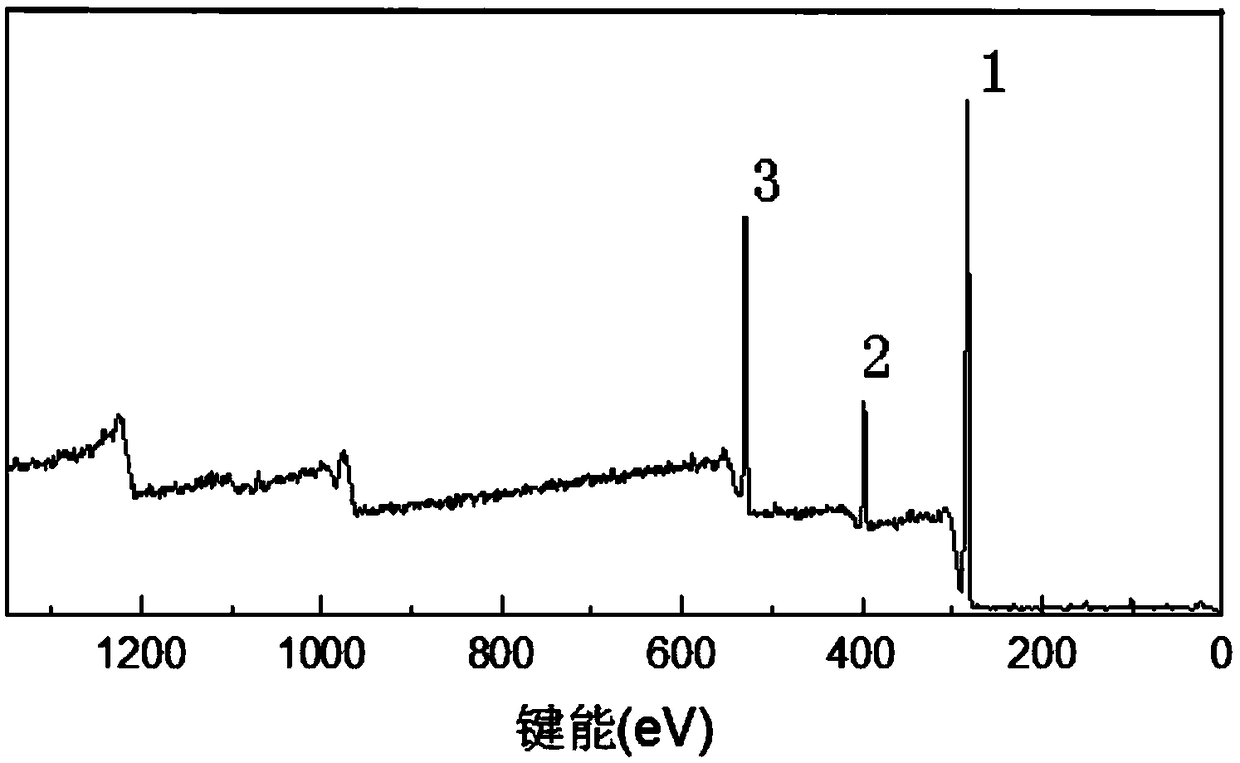
Figure 3
Abstract
Description
technical field
[0001] The invention relates to a method for preparing a thermosensitive polymer PNIPAM film. Background technique
[0002] Stimuli-responsive polymers are a class of polymers that respond to environmental changes and produce changes in physical or chemical properties. As a stimuli-responsive polymer, poly-N-isopropylacrylamide (PNIPAM) has unique temperature-responsive behavior. The lower critical solution temperature (LCST) of PNIPAM is 32°C. When the temperature is lower than 32°C, PNIPAM is hydrophilic; when the temperature is higher than 32°C, PNIPAM is hydrophobic. Due to the effective temperature responsiveness of PNIPAM, it has broad application prospects in water treatment, drug controlled release, cell culture, etc.
[0003] At present, the more common PNIPAM membrane synthesis methods are as follows: self-assembled monolayer membranes (SAMs), atom transfer radical polymerization (ATRP), electron beam ionization, plasma graft polymerization, these...
Examples
specific Embodiment approach 1
[0023] Specific embodiment one: the method for the preparation of temperature-sensitive polymer PNIPAM membrane by a kind of plasma-initiated solution polymerization of this embodiment, realizes according to the following steps:
[0024] 1. Take 0.1-0.3g N-isopropylacrylamide crystal, dissolve it in 4-6mL ultrapure water, add 0.004-0.04g N,N-methylenebisacrylamide;
[0025] 2. Use a syringe to take 0.2-0.3mL of the solution prepared in step 1, spread it evenly on the surface of the glass substrate, then place it in a quartz reactor, seal it, and pass it into argon gas at a flow rate of 0-1L / min;
[0026] 3. Place the quartz reaction kettle in step 2 between the two poles of the plasma generator, adjust the voltage to 0-45V, and discharge at high voltage for 0-5 minutes to obtain a film visible to the naked eye, and then wash off the unreacted monolayer with ultrapure water. The body solution was vacuum-dried for 5-7h to complete the preparation of the temperature-sensitive pol...
specific Embodiment approach 2
[0030] Specific embodiment 2: The difference between this embodiment and specific embodiment 1 is that in step 1, take 0.2g of N-isopropylacrylamide crystals, dissolve them in 5mL of ultrapure water, add 0.03g of N,N-methylene bis Acrylamide. Other steps and parameters are the same as those in Embodiment 1.
specific Embodiment approach 3
[0031] Embodiment 3: The difference between this embodiment and Embodiment 1 or 2 is that in Step 2, take 0.25 mL of the solution prepared in Step 1 with a syringe, and spread it evenly on the surface of the glass substrate. Other steps and parameters are the same as those in Embodiment 1 or Embodiment 2.