
Application of ciglitazone in preparing drugs for treating pulmonary arterial hypertension
A technology for pulmonary arterial hypertension and ciglitazone, applied in the field of biomedicine, can solve problems such as poor treatment effect, and achieve the effects of reducing average pulmonary artery pressure and pulmonary vascular resistance, improving pulmonary vascular remodeling, and promoting apoptosis
Patent Information
- Authority / Receiving Office
- CN · China
- Patent Type
- Applications(China)
- Current Assignee / Owner
- Publication Date
- 2019-03-26
- Estimated Expiration
- Not applicable · inactive patent
Smart Images
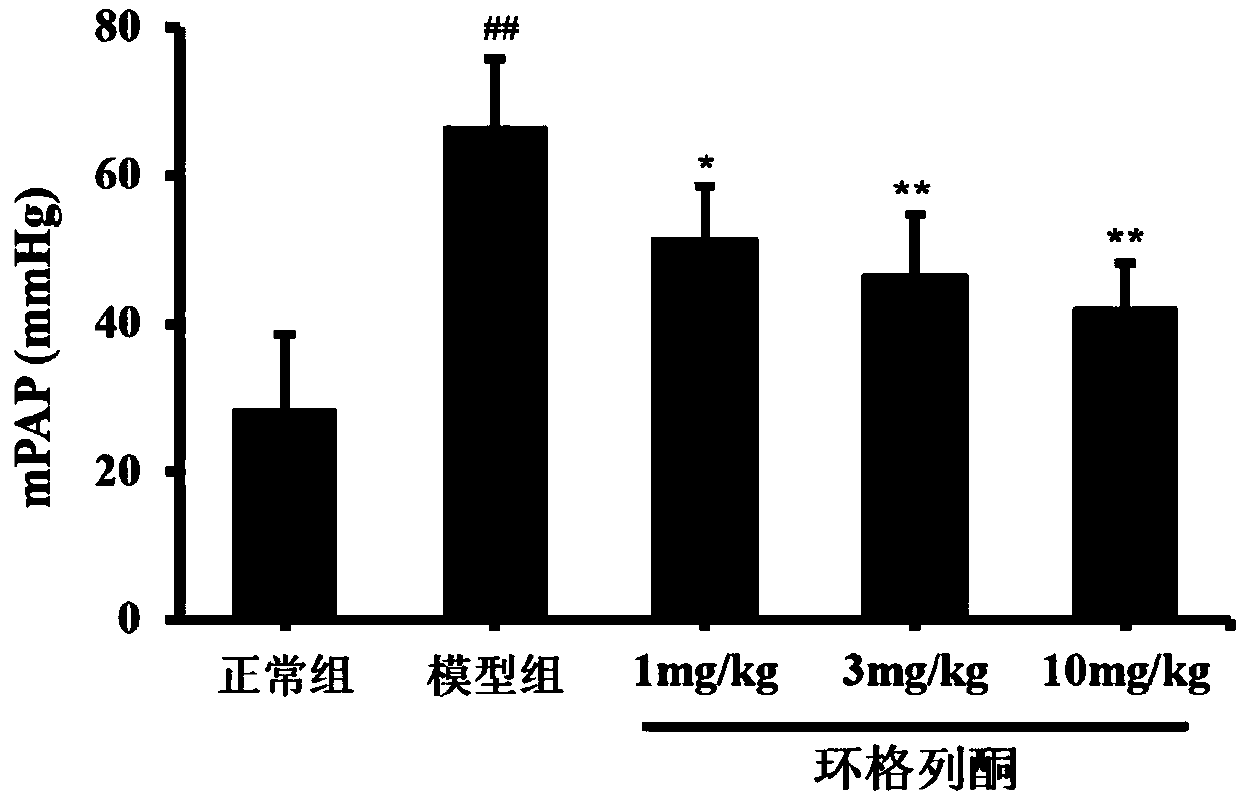
Figure 1 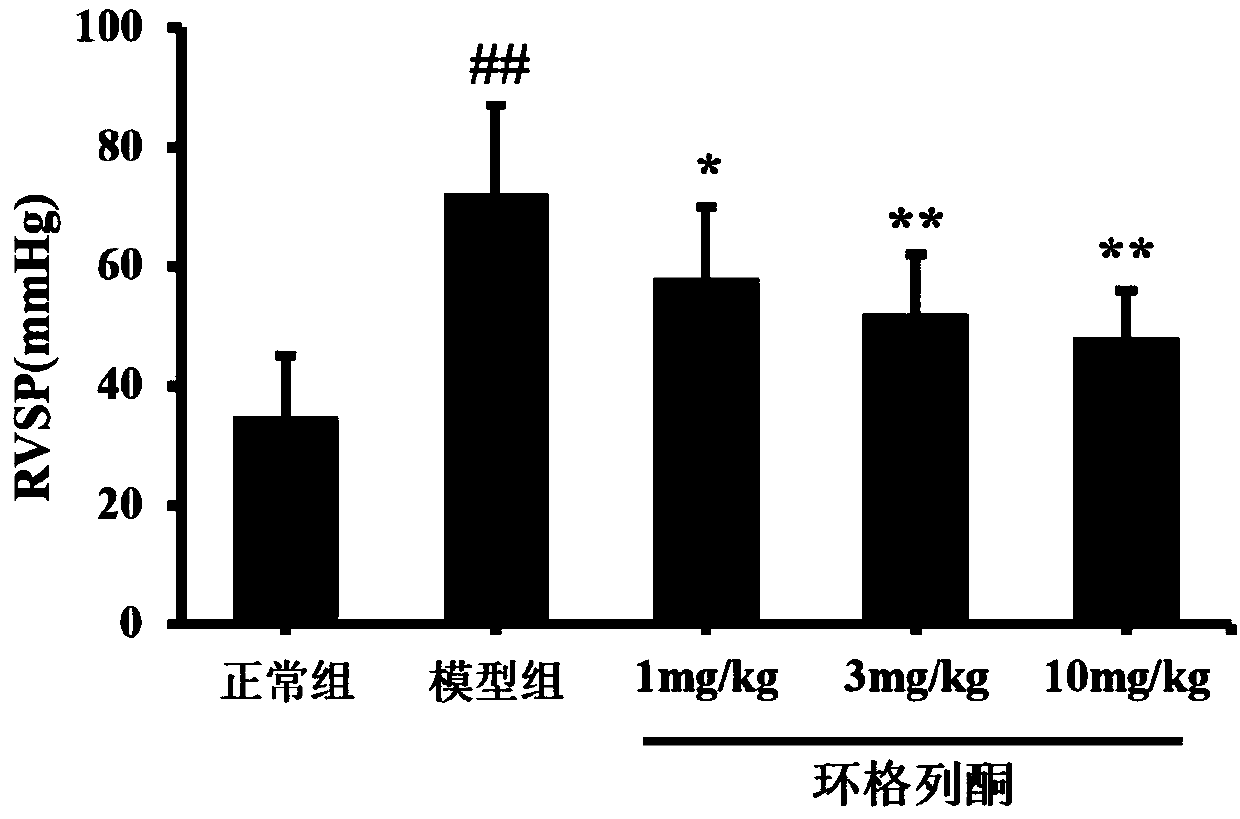
Figure 2 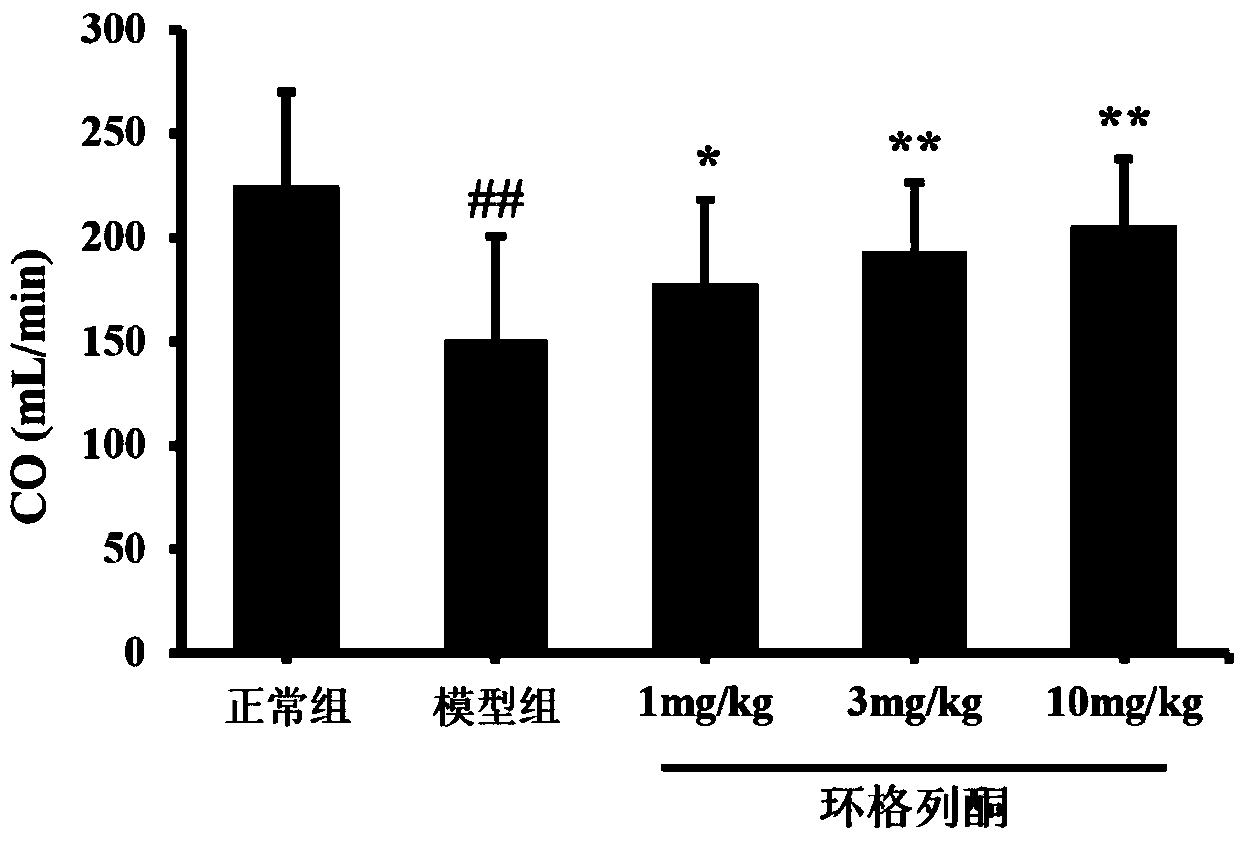
Figure 3
Abstract
Description
Technical field:
[0001] The invention belongs to the field of biomedicine and relates to a ciglitazone, in particular to the application of ciglitazone in the preparation of medicines for treating pulmonary hypertension. Background technique:
[0002] Pulmonary arterial hypertension (PAH) is a group of malignant diseases characterized by continuous increase in pulmonary vascular resistance, which can eventually lead to right heart failure and death. Pulmonary vasoconstriction, pulmonary vascular remodeling and thrombosis are the main causes of increased pulmonary vascular resistance, among which cell proliferation and vascular remodeling are the central links leading to the pathogenesis of PAH. In recent years, the emergence of targeted drugs such as prostacyclin analogs, endothelin receptor antagonists, and phosphodiesterase type 5 inhibitors has improved the quality of life of PAH patients to a certain extent. However, although these drugs can dilate pulmonary arteries, r...
Examples
Embodiment 1
[0019] 1. Materials and methods
[0020] 1.1 Establishment of Rat Pulmonary Hypertension Model
[0021] One-time subcutaneous injection of monocrotaline (Monocrotaline, MCT, 60mg / kg) was performed on the back of the neck. After 3 weeks, the pulmonary artery pressure and hemodynamic parameters were randomly measured by right heart catheterization to determine whether the model was established successfully.
[0022] 1.2 Experimental grouping and drug intervention
[0023] 50 male SPF grade SD rats (provided by the Animal Room of Shanghai Chinese Academy of Sciences), weighing 200-220g. SD rats were randomly divided into normal control group, model group, and different dose groups of ciglitazone (1 mg / kg / d, 3 mg / kg / d, 10 mg / kg / d), with 10 rats in each group. The normal control group was given normal saline (0.3ml / kg / d) by intragastric administration, and the rest of the rats in the other groups were subcutaneously injected with MCT (60mg / kg) at the back of the neck, starting fr...