
Biodegradable and/or bioabsorbable fibrous articles and methods for using the articles for medical applications
a technology of fibrous articles and bioabsorbable materials, which is applied in the direction of synthetic resin layered products, weaving, prosthesis, etc., can solve the problems of low total yield of the process, no practical industrial process has been implemented to produce membranes useful for medical applications, and unstable liquid droplets, etc., to reduce the risk of abscess and infection, and increase the risk of post-operative infection
Patent Information
- Authority / Receiving Office
- US · United States
- Patent Type
- Patents(United States)
- Current Assignee / Owner
- Publication Date
- 2004-02-03
- Estimated Expiration
- Not applicable · inactive patent
Smart Images
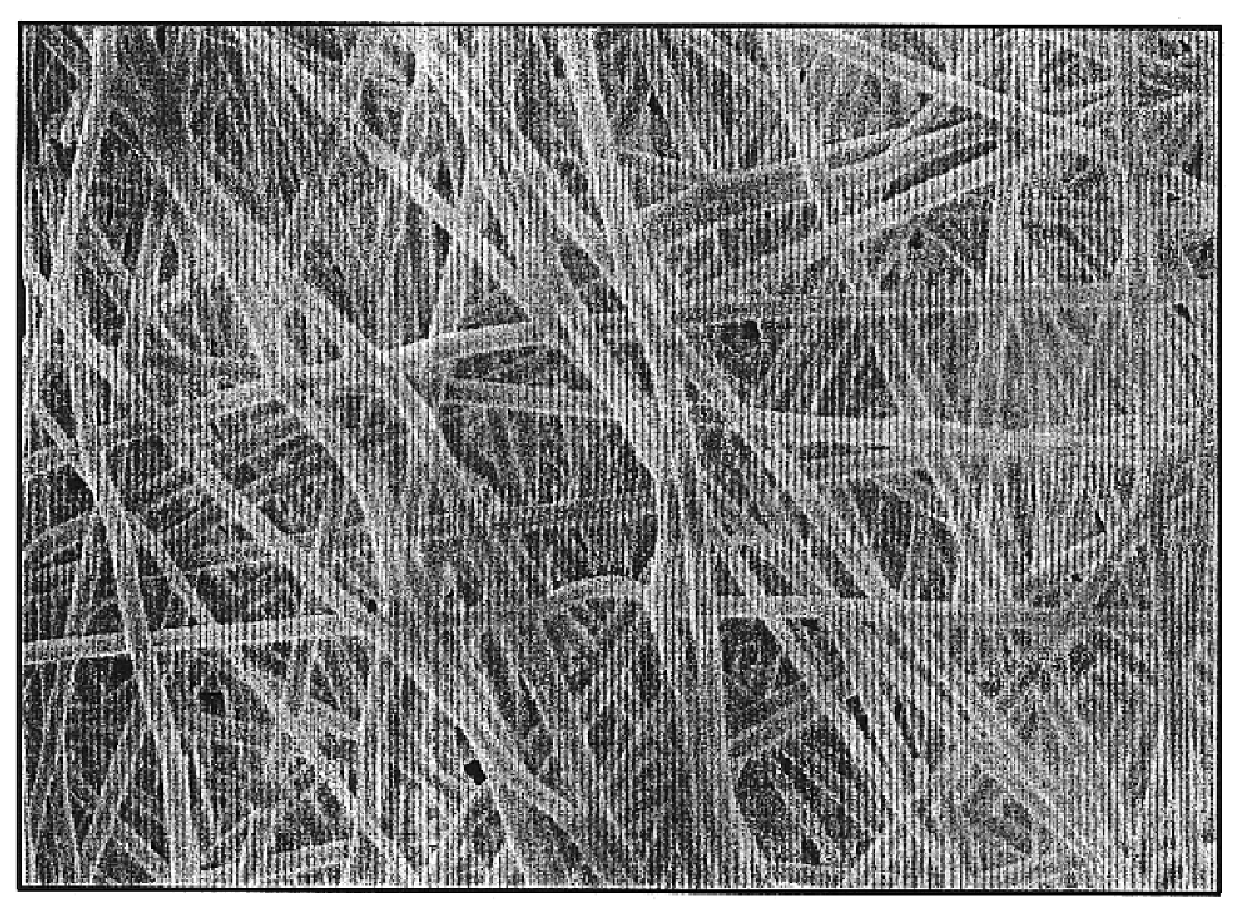
Figure 1 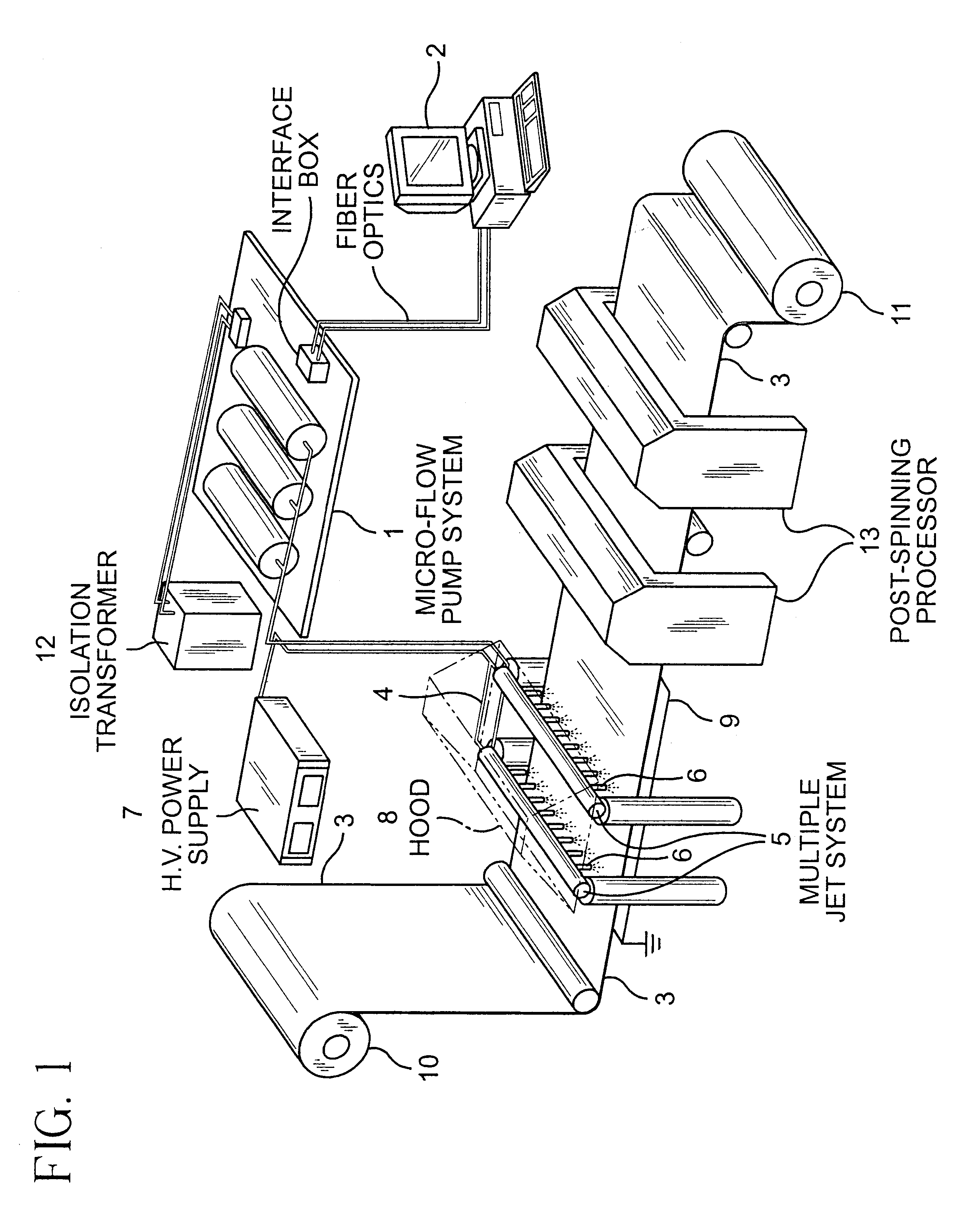
Figure 2 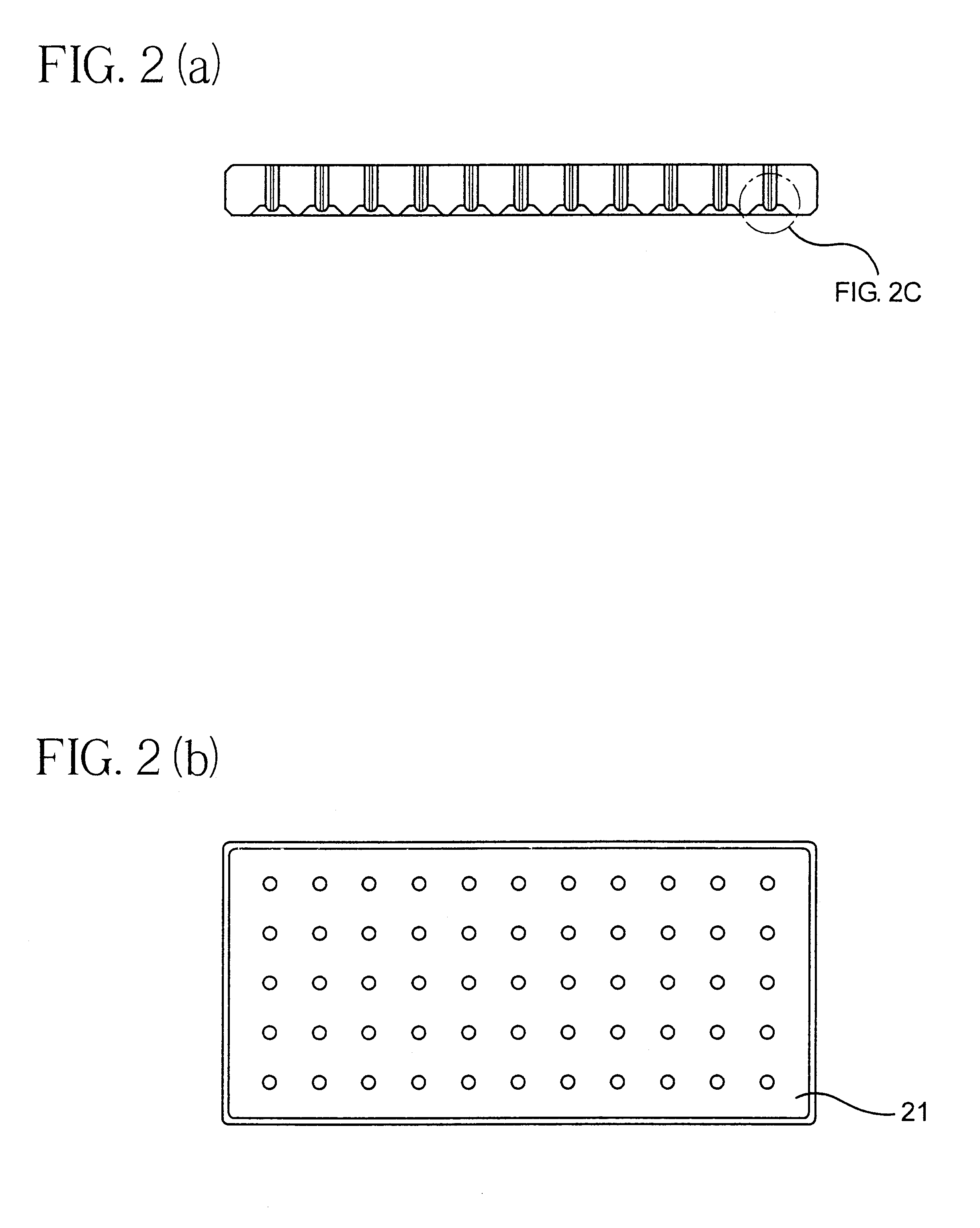
Figure 3
Abstract
Description
BACKGROUND OF INVENTIONThe present invention relates to biodegradable and / or bioabsorbable fibrous articles. More specifically, the present invention is directed to products and methods having utility in medical applications. In one embodiment, the fibrous articles of the invention are polymeric membranes.Polymeric membranes produced by an electrospinning technique have been suggested as being useful for biological membranes such as substrates for immobilized enzymes and catalyst systems, wound dressing materials and artificial blood vessels, as well as for aerosol filters and ballistic garments.Electrospinning is an atomization process of a conducting fluid which exploits the interactions between an electrostatic field and the conducting fluid. When an external electrostatic field is applied to a conducting fluid (e.g., a semi-dilute polymer solution or a polymer melt), a suspended conical droplet is formed, whereby the surface tension of the droplet is in equilibrium with the elec...
Examples
example 1
A membrane was prepared as follows: a 30 wt % PLG copolymer / DMF solution was prepared by slowly dissolving PLG copolymer pellets (inherent viscosity of 0.55-0.75. Birmingham Polymers Inc., AL) into an N,N-dimethyl formamide (DMF) solvent at room temperature. The solution was then loaded into the 5 ml syringe fitted with a gauge 20 needle, and delivered through a Teflon tube (0.03" ID) to the exit hole of an electrode having a diameter of 0.025". The solution was pumped and controlled by a syringe pump (Harvard Apparatus "44" series, MA) at a flow rate of 20 microliters / min. A 25 kV positive high voltage (by Glassman High Voltage Inc.) was applied on the electrode. The distance from the tip of the electrode to the grounded collecting plate was 15 cm. A tiny electrospinning jet was formed and stabilized in 30 seconds under these conditions. The collecting plate was movable and controlled by a stepper motor. The collecting plate was continually moved at a rate of 1 mm / sec until a membr...
example 2
A biodegradable and bioabsorbable membrane according to the present invention, fabricated by a multi-jet electrospinning process, was prepared as follows: an 8 wt % polyacrylonitrile (Aldrich Chemical Company, Inc.) / DMF solution was prepared by slowly adding and dissolving the polymer powders into an organic solvent, which was DMF (N,N-dimethyl formamide), at room temperature. After the solution was completely mixed, it was then loaded into 6 individual syringes, each with a volume of 5 mL. The syringes were fitted with gauge 20 needles and the solution was delivered through Teflon tubes (0.03" ID) to 6 electrodes, each having a tiny hole with a diameter of 0.025". The polymer solution was finally pumped and controlled by a syringe pump (Harvard Apparatus "44" series, MA) at a flow rate of 25 microliters / min. In addition, a 26 kV positive high voltage (by Glassman High Voltage Inc.) was applied on the electrodes in order to obtain the existence of six well-stabilized electrospinning...
example 3
A polymer solution suitable for electrospinning, which contained a drug, was prepared as follows: A sample of Poly(DL-lactide) ("PLA") purchased from Birmingham Polymers, Inc., Birmingham, Ala. (Product No. D98120) having a weight average molecular weight of 1.09.times.10.sup.5 g / mole and a polydispersity of 1.42 was stored in a vacuum oven at room temperature. The pellets were dissolved in DMF purchased from Fisher Scientific, Fair lawn, N.J. to form a 25 wt % solution. The antibiotic drug used was Mefoxin.TM. from Merck & Co., Inc., West Point, Pa. The antibiotic was dissolved in distilled water and then mixed with PLA / DMF solution in appropriate amounts to form the solution with a PLA / drug ratio of 9:1. A stable jet was formed using this solution in the electrospinning process described in Example 1.