

Method of controlling zoological and aquatic plant growth
a technology for controlling zoological and aquatic plant growth, applied in the direction of biocide, heterocyclic compound active ingredients, biocide, etc., can solve the problems of affecting the integration of the coastal waters of the united states and the great lakes basin, affecting the quality of life of fisheries and other natural resources,
Patent Information
- Authority / Receiving Office
- US · United States
- Current Assignee / Owner
- Publication Date
- 2008-03-25
- Estimated Expiration
- Not applicable · inactive patent
Smart Images
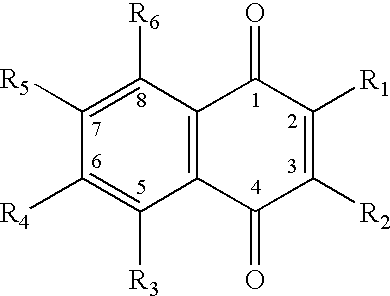
Figure 1 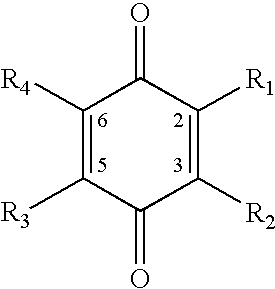
Figure 2 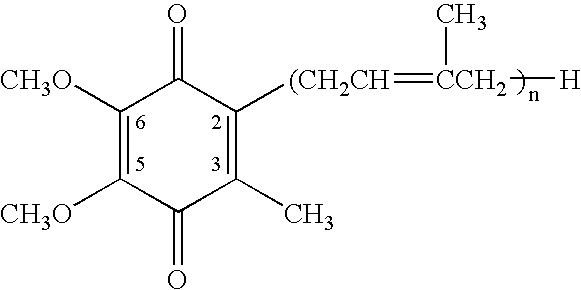
Figure 3
Abstract
Description
[0001] This application is based on PCT application PCT / US01 / 05117 which is a continuation-in-part of U.S. patent application Ser. No. 09 / 506,017 that was filed on 17 Feb. 2000 now U.S. Pat. No. 6,340,468 and U.S. provisional patent application Ser. No. 60 / 237,401 that was filed on 4 Oct. 2000. The disclosures of these applications are incorporated herein by reference.FIELD OF INVENTION
[0002] The present invention is directed to a method and compositions for controlling aquatic pests, including zoological organisms and plants. More specifically, the invention is directed to a method and composition for controlling, inhibiting, and terminating populations of aquatic and marine pest plants, organisms, and animals in a target treatment zone. The invention is particularly applicable for sterilizing a treated water volume (whether or not enclosed) of mollusks, dinoflagellates, bacteria and algae.BACKGROUND OF THE INVENTION
[0003] The discovery in the Summer of 1988 of the Eurasian zebra muss...
Examples
example 15
[0118]Banana snails (Bulimulis alternata) were obtained from a commercial supplier and were fed lettuce leaves until the start of the bioassay.
[0119]Ten snails were placed in covered 1 liter glass beakers, on approximately 50 cm2 lettuce leaves which had been sprayed with a fine mist of an aqueous solution of 2,3-dimethoxy-5-methyl-1,4-benzoquinone at three concentrations: 5, 10 and 20 mg / l. The treated leaves were allowed to dry before exposure to the snails. 10 snails were placed on approximately 50 cm2 of untreated lettuce leaf as a control. Treatments and controls were maintained at approximately 20° C. in the dark. They were observed at 24 and 48 hours for signs of mortality and feeding activity.
[0120]In all treatments, the snails demonstrated significant avoidance relative to control. Several snails of the treatment group withdrew into their shells and exhibited no feeding activity at all (leaves were completely intact). Others climbed up the walls of the beakers away from the...