

Application of CTBS (Di-N-acetylchitobiase) protein serving as target spot of sperm-egg binding acceptor to screening of sperm-egg binding inhibitor
A sperm-egg binding receptor and inhibitor technology, which is applied in the application field of CTBS protein as the target of sperm-egg binding receptor in screening sperm-egg binding inhibitors
Patent Information
- Authority / Receiving Office
- CN · China
- Patent Type
- Applications(China)
- Current Assignee / Owner
- Publication Date
- 2014-04-23
- Estimated Expiration
- Not applicable · inactive patent
Smart Images
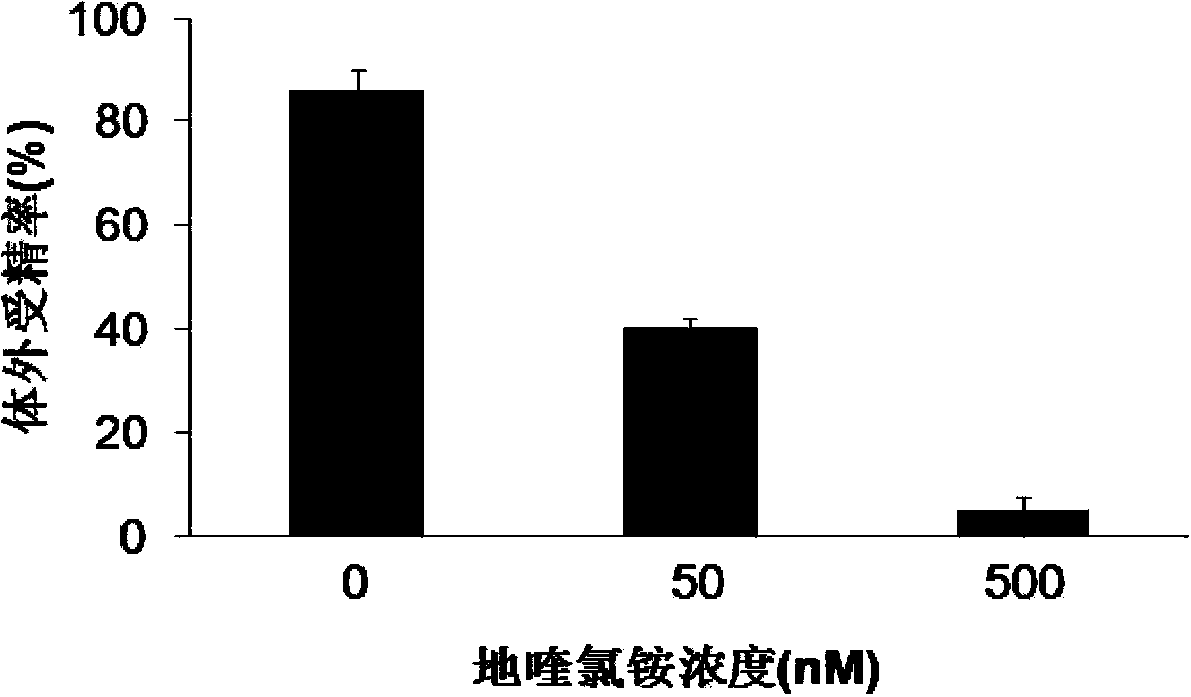
Figure 1 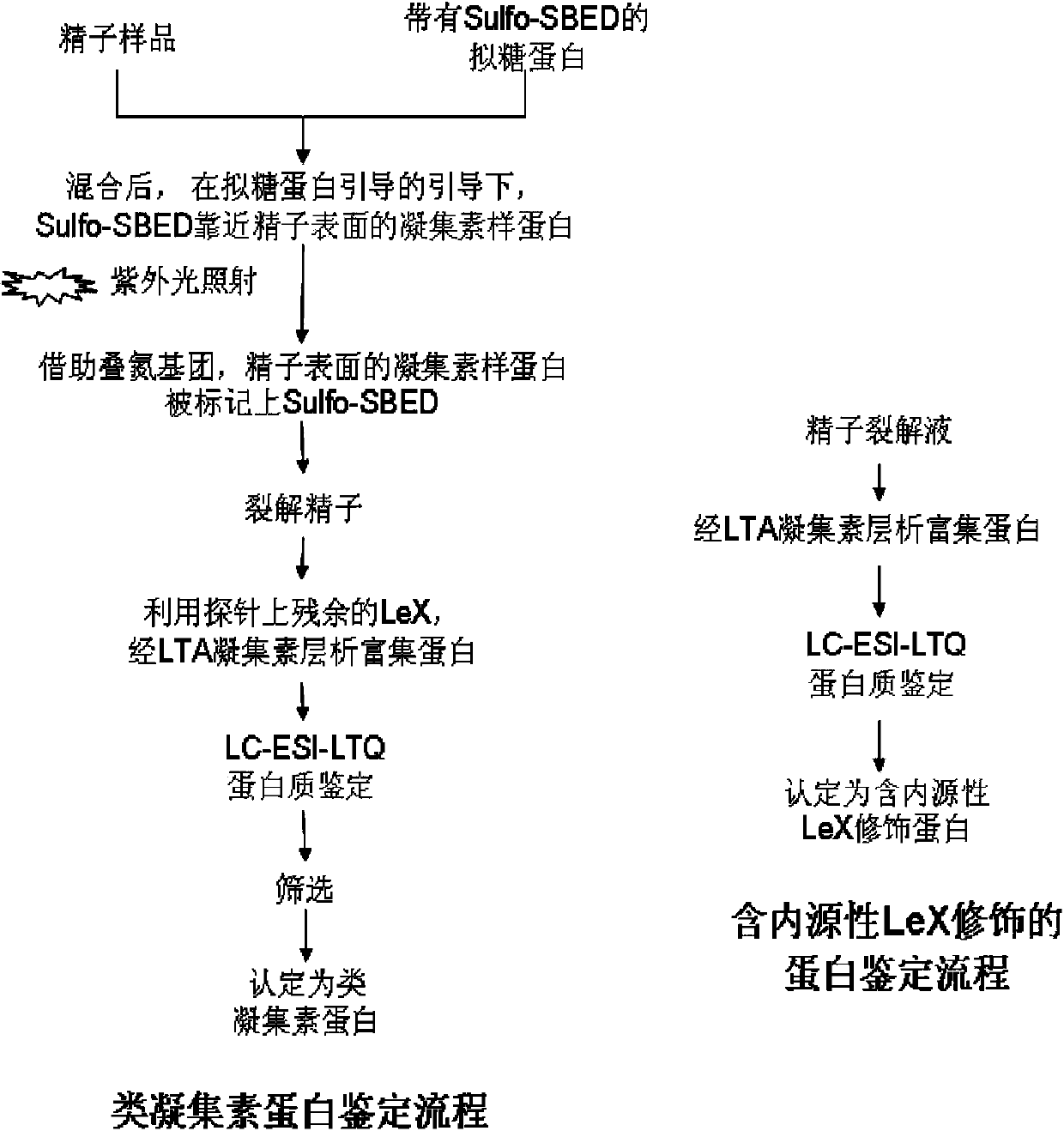
Figure 2 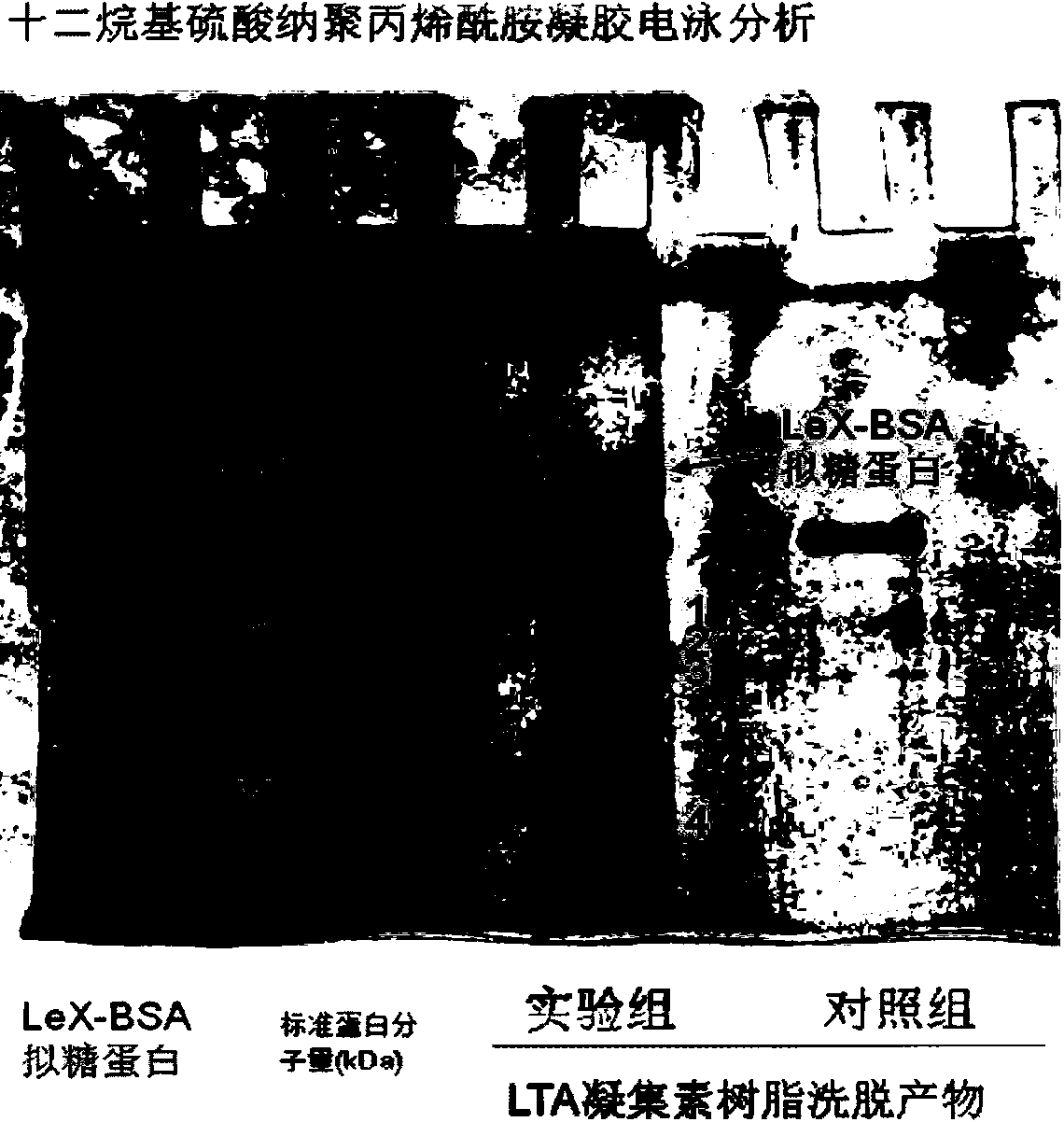
Figure 3
Abstract
Description
technical field
[0001] The invention relates to the application of a CTBS protein as a target of sperm-egg binding receptors in screening sperm-egg binding inhibitors. Background technique
[0002] Dequalinium chloride (Dequalinium chloride, CAS#522-51-0), used as a PKC inhibitor as an anticancer drug, its IC50 is 7-18μM, and it is also a selective melittin-sensitive Potassium channel blocker with an IC50 of 1.1 μM [1,2,3,4] . In recent years, dequalinium chloride has been used as a cationic surfactant in non-antibiotic antibacterial drugs (the drug name is "clotidine"). Recently, it was found that dequalinium chloride can also inhibit the activity of microbial-derived chitin hydrolase at the nanomolar level [5] . Dequalinium chloride has little toxicity to the human body, does not affect human reproduction, and is irritating to the eyes and skin. The lethal dose to mice is: oral administration of 150-1000 mg / kg body weight, subcutaneous injection of 70 mg / kg body weigh...
Examples
Embodiment 1
[0041] We found that CTBS is expressed in rodent sperm, and CTBS antibody can inhibit in vitro fertilization in mice, but this protein is not expressed in human sperm. Its experimental method is as follows:
[0042] (1) Discovery of CTBS on mouse spermatozoa:
[0043] CTBS on mouse sperm was identified by using Lewis oligosaccharide X (Lewis X, abbreviated as LeX) probe, and it was proved that CTBS can bind to mouse egg zona pellucida.
[0044] (1) First identify the Lewis X receptor, the identification process is as follows Figure 2AAs shown, it includes the identification process of lectin-like proteins that can recognize Lewis X and the identification process of endogenous proteins containing Lewis X modifications. The principle is to modify the surface of bovine serum albumin (BSA) with Lewis X to make the pseudoglycoprotein LeX-BSA, and further modify the pseudoglycoprotein with ultraviolet crosslinking reagent [6-(biotinamido)-2-( p-Azidobenzamido)caproylamino]ethyl-...
Embodiment 2
[0067] Embodiment 2: Dequalinium chloride is used as the inhibitor experiment of suppressing mouse sperm-egg combination
[0068] Dequalinium chloride was used as an inhibitor to inhibit the combination of sperm and eggs in mice, and each dose of CTBS with different concentrations was used to experiment with more than 50 mouse eggs, repeated 3 times, and each dose used a total of more than 150 eggs. The experimental results like figure 1 As shown, its half-inhibition constant is at 50nM, indicating that dequalinium chloride can well inhibit the in vitro fertilization of mice.
[0069] In summary, all the results described in Example 1 and Example 2 show that CTBS is a receptor protein specifically expressed on rodent sperm, which participates in the physiological process of sperm-egg binding, and the CTBS antibody can inhibit the mouse in vitro Fertilize. As a birth control drug for mice, dequalinium chloride can well inhibit the in vitro fertilization of mice, and experimen...