
Superparamagnetic iron oxide and silica nanoparticles of high magnetic saturation and a magnetic core containing the nanoparticles
a technology of iron oxide and silica nanoparticles and magnetic core shells, which is applied in the direction of magnet bodies, cores/yokes, inductances, etc., can solve the problems of high core loss, energy loss in the core material, and the proportion of power loss, etc., to achieve good mechanical properties, increase green strength, and high temperature tolerance
Patent Information
- Authority / Receiving Office
- US · United States
- Patent Type
- Patents(United States)
- Current Assignee / Owner
- Publication Date
- 2015-07-28
- Estimated Expiration
- Not applicable · inactive patent
Smart Images
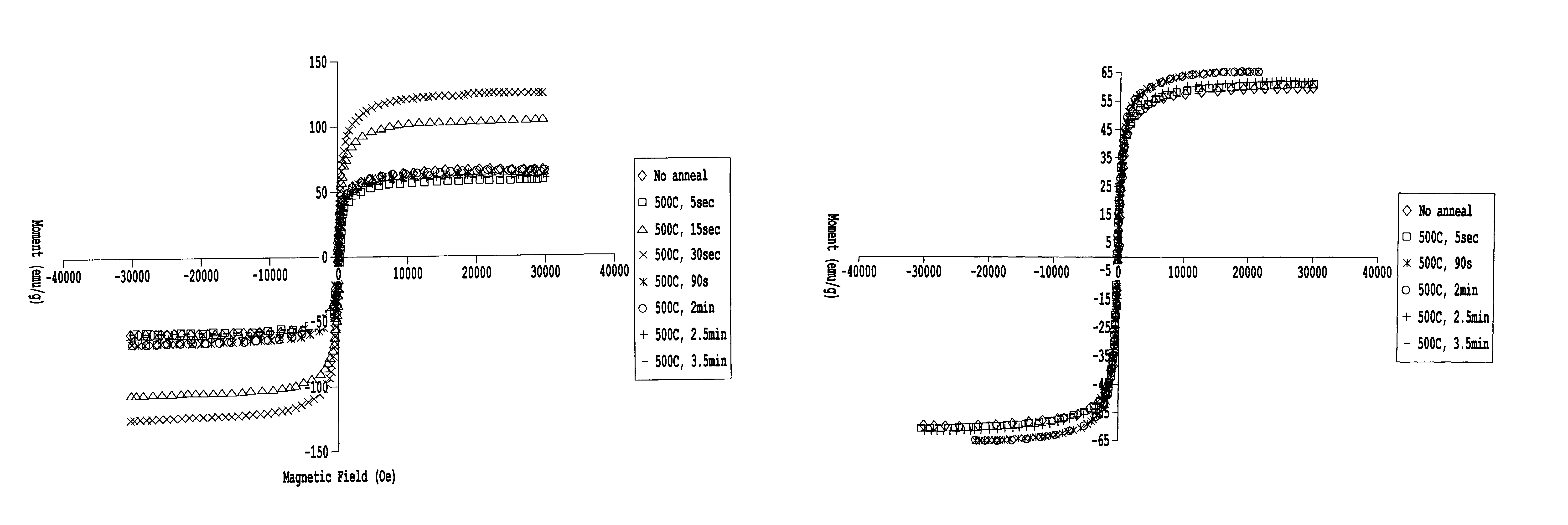
Figure 1 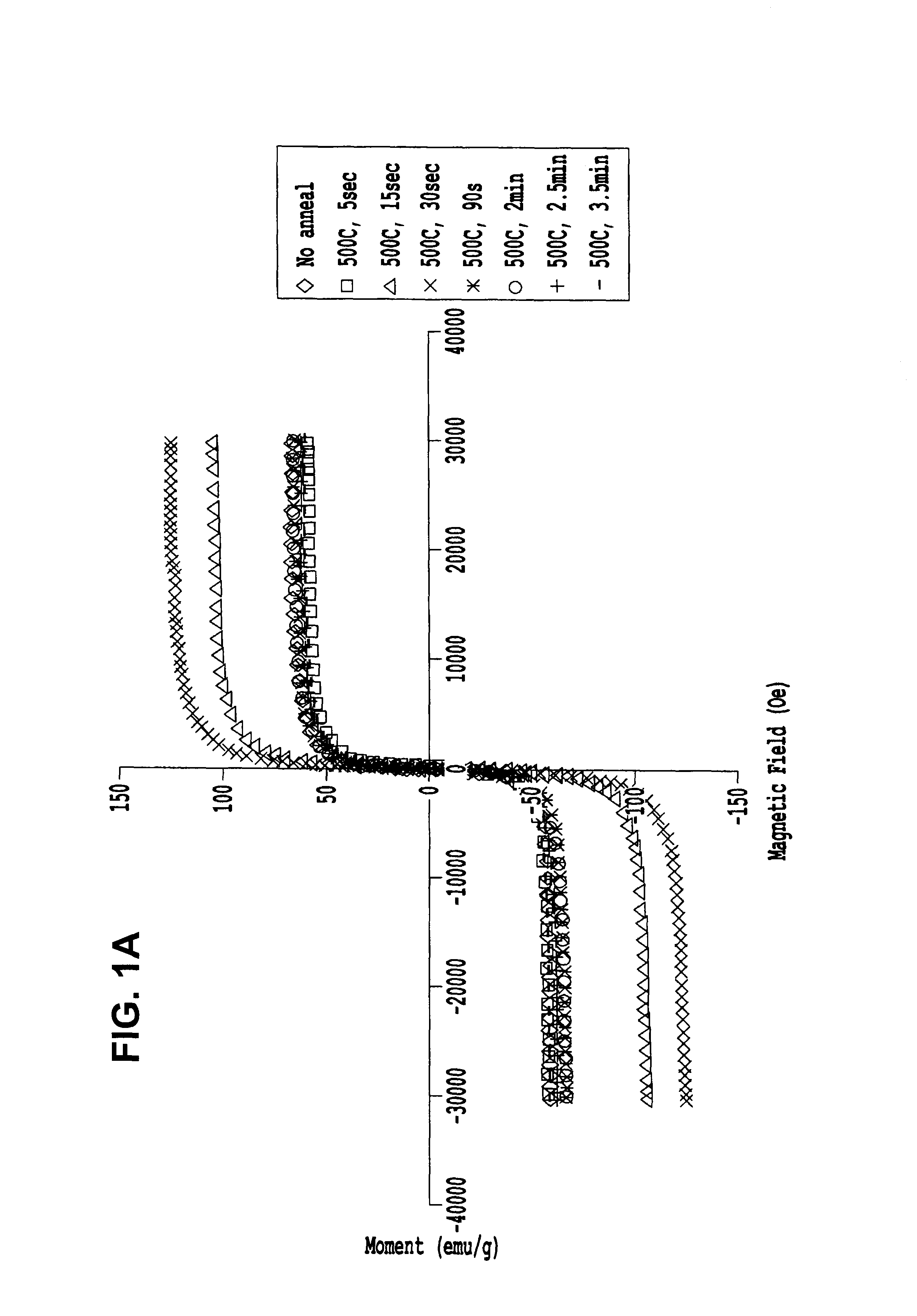
Figure 2 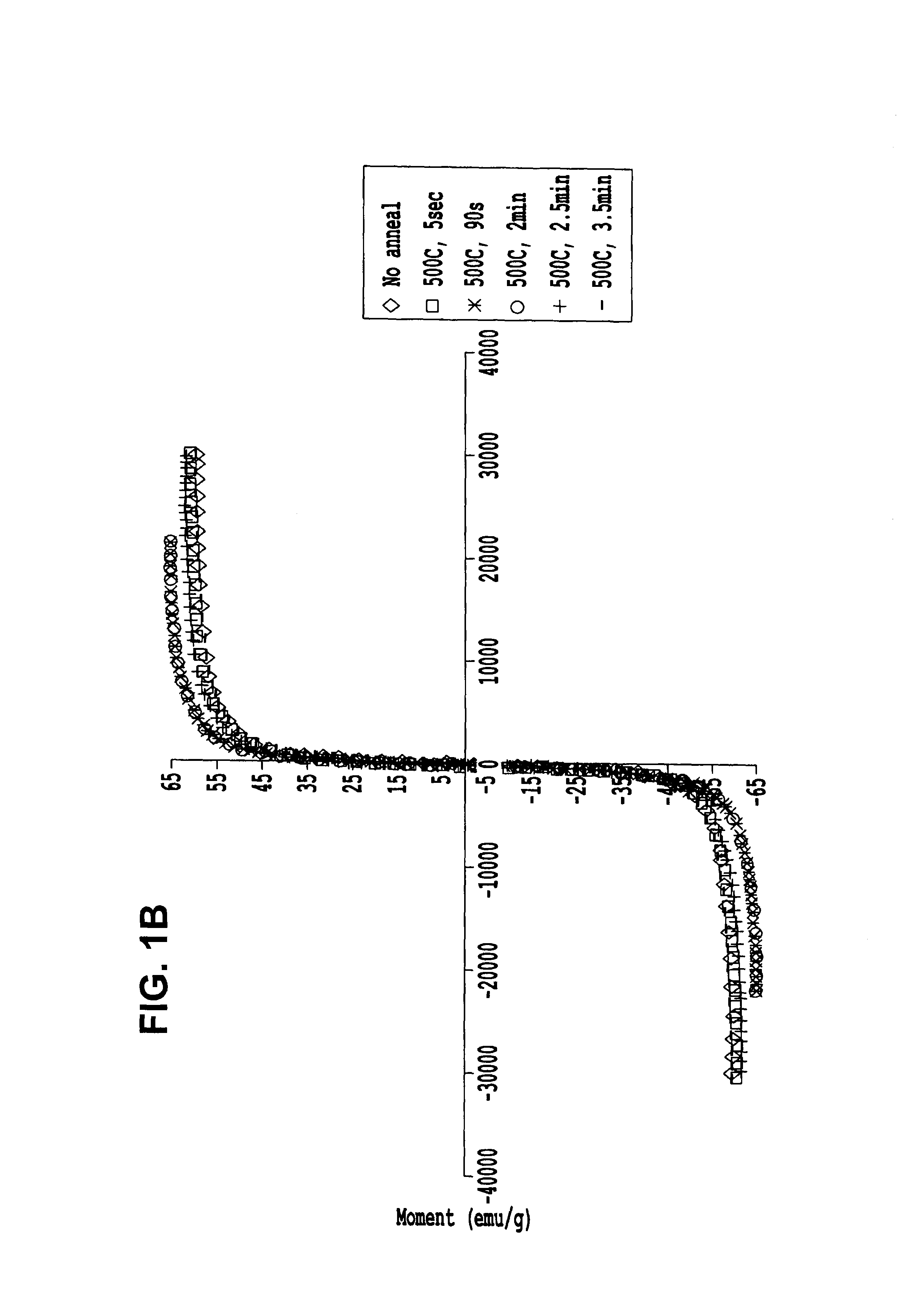
Figure 3
Abstract
Description
BACKGROUND OF THE INVENTION
[0001] 1. Field of the Invention
[0002] The present invention relates to superparamagnetic core shell nanoparticles having an iron oxide core and a silica shell which have high magnetic saturation and a magnetic core produced with these high magnetic saturation nanoparticles. The core of the present invention is suitable for utility in power generation parts such as stators, rotors, armatures and actuators or any device whose function is dependent upon an efficient magnetic core, i.e., a magnetic core having a high magnetic moment, minimal magnetic hysteresis and no or little eddy current formation.
[0003] 2. Discussion of the Background
[0004] Many electronic devices rely on magnetic cores as a method of transferring a magnetic field. Due to inefficiency caused by core loss, a portion of this power is lost, typically as waste heat. A core's magnetic properties have the ability to greatly concentrate and enhance magnetic fields. Thus, improving and implementing c...
Examples
examples
Core / Shell Iron Oxide / Silica-coated Nanoparticles
[0067]Nanoparticles (Fe3O4 / SiO2) were synthesized by the aqueous reaction of ammonium hydroxide with iron chloride and then treating the product with tetraethyl orthosilicate, in ethanol using triethylamine as the base-catalyst, to form silica shells. These particles were then purified using ethanol rinse and magnetic separation. The solvent was decanted and the powder was dried and placed in an argon environment glove box to prevent further oxidation into the Fe2O3 (maghemite) phase. See U.S. application Ser. No. 13 / 529,316, filed Jun. 21, 2012, for further details.
[0068]During all annealing runs, heating and cooling rates were kept at the maximum in order to reduce the possibility of particle growth. Annealing temperature was varied between 300° C. and 600° C., while annealing time (at temperature) ranged from 1 second to 3.5 minutes.
[0069]The annealed Fe3O4 / SiO2 core / shell nanoparticles are sintered under heat and pressure with a f...