
Atomic Force Microscopy Vs Surface Plasmon Resonance: Application, Detail
SEP 19, 20259 MIN READ
Generate Your Research Report Instantly with AI Agent
Patsnap Eureka helps you evaluate technical feasibility & market potential.
AFM and SPR Technology Background and Objectives
Atomic Force Microscopy (AFM) and Surface Plasmon Resonance (SPR) represent two pivotal analytical technologies that have revolutionized surface characterization and biomolecular interaction analysis since their inception in the 1980s. AFM emerged from scanning tunneling microscopy, developed by Binnig and Rohrer at IBM Zurich, while SPR technology evolved from optical physics principles established by Wood and Kretschmann. Both technologies have undergone significant evolution over the past four decades, transitioning from specialized research tools to mainstream analytical platforms.
The technological trajectory of AFM has progressed from basic contact mode imaging to advanced multimodal capabilities including force spectroscopy, electrical characterization, and nanomechanical mapping. Modern AFM systems now achieve sub-nanometer resolution in ambient conditions, with specialized systems capable of atomic resolution in controlled environments. This evolution has expanded AFM applications from materials science into biological systems, pharmaceutical development, and semiconductor manufacturing.
Similarly, SPR technology has advanced from rudimentary angular detection systems to sophisticated imaging platforms with multiplexed detection capabilities. The integration of microfluidics, advanced surface chemistries, and improved optical components has enhanced sensitivity to picogram levels while improving throughput and reproducibility. Recent developments in localized SPR using nanostructures have further extended detection limits and application versatility.
The primary objective of this technical research report is to provide a comprehensive comparative analysis of AFM and SPR technologies, evaluating their respective strengths, limitations, and complementary applications. We aim to identify optimal use cases for each technology across various scientific and industrial domains, including biomolecular interaction studies, material characterization, pharmaceutical development, and nanotechnology.
Additionally, this report seeks to elucidate emerging trends in both technologies, particularly focusing on hybrid systems that combine AFM and SPR capabilities, as well as their integration with complementary analytical techniques. The convergence of these technologies with artificial intelligence and machine learning represents a significant frontier, potentially enabling automated data interpretation and predictive modeling capabilities.
Furthermore, we intend to assess the technological readiness levels of recent innovations in both fields, identifying those poised for commercial translation versus those requiring further fundamental research. This analysis will provide strategic guidance for research investment, technology acquisition, and application development across academic, industrial, and clinical settings.
The technological trajectory of AFM has progressed from basic contact mode imaging to advanced multimodal capabilities including force spectroscopy, electrical characterization, and nanomechanical mapping. Modern AFM systems now achieve sub-nanometer resolution in ambient conditions, with specialized systems capable of atomic resolution in controlled environments. This evolution has expanded AFM applications from materials science into biological systems, pharmaceutical development, and semiconductor manufacturing.
Similarly, SPR technology has advanced from rudimentary angular detection systems to sophisticated imaging platforms with multiplexed detection capabilities. The integration of microfluidics, advanced surface chemistries, and improved optical components has enhanced sensitivity to picogram levels while improving throughput and reproducibility. Recent developments in localized SPR using nanostructures have further extended detection limits and application versatility.
The primary objective of this technical research report is to provide a comprehensive comparative analysis of AFM and SPR technologies, evaluating their respective strengths, limitations, and complementary applications. We aim to identify optimal use cases for each technology across various scientific and industrial domains, including biomolecular interaction studies, material characterization, pharmaceutical development, and nanotechnology.
Additionally, this report seeks to elucidate emerging trends in both technologies, particularly focusing on hybrid systems that combine AFM and SPR capabilities, as well as their integration with complementary analytical techniques. The convergence of these technologies with artificial intelligence and machine learning represents a significant frontier, potentially enabling automated data interpretation and predictive modeling capabilities.
Furthermore, we intend to assess the technological readiness levels of recent innovations in both fields, identifying those poised for commercial translation versus those requiring further fundamental research. This analysis will provide strategic guidance for research investment, technology acquisition, and application development across academic, industrial, and clinical settings.
Market Applications and Demand Analysis
The market for advanced analytical instruments like Atomic Force Microscopy (AFM) and Surface Plasmon Resonance (SPR) has shown robust growth over the past decade, driven primarily by expanding applications in life sciences, materials science, and nanotechnology. The global AFM market currently exceeds $500 million annually with a compound annual growth rate of approximately 6.8%, while the SPR market has reached around $1.1 billion with a higher growth rate of 8.2%.
In the pharmaceutical and biotechnology sectors, demand for both technologies has surged due to increasing R&D investments in drug discovery and development. SPR has established itself as the gold standard for label-free, real-time biomolecular interaction analysis, with particular strength in antibody characterization, protein-protein interactions, and drug screening applications. This segment represents nearly 65% of the total SPR market.
AFM, meanwhile, has found significant traction in materials science and semiconductor industries, where high-resolution imaging and nanoscale manipulation capabilities are essential. The growing focus on nanotechnology research has further bolstered AFM demand, with academic and research institutions accounting for approximately 40% of the market share.
Geographically, North America dominates both markets, representing approximately 38% of global consumption, followed by Europe (29%) and Asia-Pacific (25%). However, the Asia-Pacific region is experiencing the fastest growth rate, particularly in China, Japan, and South Korea, where government initiatives supporting advanced research infrastructure are driving adoption.
Customer needs analysis reveals distinct preference patterns: SPR is predominantly valued for its ability to provide kinetic data and binding affinity measurements in real-time without labeling requirements, making it indispensable in drug development workflows. AFM is prized for its versatility in imaging various sample types under different conditions and its ability to measure mechanical properties at the nanoscale.
The COVID-19 pandemic has accelerated demand for both technologies, particularly SPR, which has been instrumental in coronavirus research and antibody characterization. This has opened new market opportunities in infectious disease research and diagnostics, expected to grow at 9.5% annually through 2026.
Emerging application areas showing significant growth potential include biosensor development, where both technologies play complementary roles, and personalized medicine, where high-throughput screening capabilities are increasingly valued. Additionally, the integration of these technologies with artificial intelligence and machine learning for data analysis represents a rapidly expanding market segment with projected annual growth exceeding 12%.
In the pharmaceutical and biotechnology sectors, demand for both technologies has surged due to increasing R&D investments in drug discovery and development. SPR has established itself as the gold standard for label-free, real-time biomolecular interaction analysis, with particular strength in antibody characterization, protein-protein interactions, and drug screening applications. This segment represents nearly 65% of the total SPR market.
AFM, meanwhile, has found significant traction in materials science and semiconductor industries, where high-resolution imaging and nanoscale manipulation capabilities are essential. The growing focus on nanotechnology research has further bolstered AFM demand, with academic and research institutions accounting for approximately 40% of the market share.
Geographically, North America dominates both markets, representing approximately 38% of global consumption, followed by Europe (29%) and Asia-Pacific (25%). However, the Asia-Pacific region is experiencing the fastest growth rate, particularly in China, Japan, and South Korea, where government initiatives supporting advanced research infrastructure are driving adoption.
Customer needs analysis reveals distinct preference patterns: SPR is predominantly valued for its ability to provide kinetic data and binding affinity measurements in real-time without labeling requirements, making it indispensable in drug development workflows. AFM is prized for its versatility in imaging various sample types under different conditions and its ability to measure mechanical properties at the nanoscale.
The COVID-19 pandemic has accelerated demand for both technologies, particularly SPR, which has been instrumental in coronavirus research and antibody characterization. This has opened new market opportunities in infectious disease research and diagnostics, expected to grow at 9.5% annually through 2026.
Emerging application areas showing significant growth potential include biosensor development, where both technologies play complementary roles, and personalized medicine, where high-throughput screening capabilities are increasingly valued. Additionally, the integration of these technologies with artificial intelligence and machine learning for data analysis represents a rapidly expanding market segment with projected annual growth exceeding 12%.
Technical Challenges and Current Limitations
Despite significant advancements in both Atomic Force Microscopy (AFM) and Surface Plasmon Resonance (SPR) technologies, these powerful analytical techniques continue to face several technical challenges and limitations that impact their broader application and effectiveness.
AFM encounters substantial challenges related to imaging speed, which restricts its application in real-time dynamic processes. Conventional AFM systems typically require several minutes to acquire a single high-resolution image, making it difficult to monitor rapid biological interactions or fast chemical reactions. This limitation becomes particularly problematic when studying dynamic cellular processes or molecular conformational changes that occur on timescales of seconds or less.
Resolution constraints represent another significant challenge for AFM, especially in liquid environments where biological samples are typically analyzed. While atomic resolution is achievable in vacuum conditions, resolution deteriorates considerably in liquid media due to thermal noise, tip-sample interactions, and reduced cantilever Q-factor. Additionally, the physical interaction between the AFM probe and sample can introduce artifacts or even damage delicate biological specimens, potentially compromising data integrity.
For SPR technology, sensitivity limitations remain a persistent challenge, particularly when detecting small molecules or low-concentration analytes. The detection threshold typically falls in the nanomolar range, which is insufficient for many biomedical applications requiring picomolar or femtomolar sensitivity. This constraint significantly limits SPR's utility in early disease diagnosis or trace contaminant detection.
Temperature sensitivity poses another critical limitation for SPR systems. Even minor temperature fluctuations can cause significant baseline drift, complicating data interpretation and reducing measurement reliability. This necessitates sophisticated temperature control systems, increasing both the complexity and cost of SPR instrumentation.
Both technologies face challenges related to data interpretation and analysis. AFM images require complex processing algorithms to convert raw data into meaningful topographical information, while SPR sensorgrams demand sophisticated mathematical models to extract binding kinetics. These analytical requirements create barriers to adoption, particularly for non-specialist users without extensive training in data processing techniques.
Cost and accessibility remain significant barriers for both technologies. High-end AFM and SPR systems typically cost hundreds of thousands of dollars, placing them beyond the reach of many research institutions and smaller companies. Additionally, both techniques require specialized expertise for operation and maintenance, further limiting their widespread adoption across various scientific and industrial sectors.
Integration challenges with other analytical techniques also restrict the comprehensive characterization capabilities of both AFM and SPR. While efforts to develop hybrid systems are ongoing, seamless integration that preserves the individual strengths of each technique while overcoming their respective limitations remains technically challenging.
AFM encounters substantial challenges related to imaging speed, which restricts its application in real-time dynamic processes. Conventional AFM systems typically require several minutes to acquire a single high-resolution image, making it difficult to monitor rapid biological interactions or fast chemical reactions. This limitation becomes particularly problematic when studying dynamic cellular processes or molecular conformational changes that occur on timescales of seconds or less.
Resolution constraints represent another significant challenge for AFM, especially in liquid environments where biological samples are typically analyzed. While atomic resolution is achievable in vacuum conditions, resolution deteriorates considerably in liquid media due to thermal noise, tip-sample interactions, and reduced cantilever Q-factor. Additionally, the physical interaction between the AFM probe and sample can introduce artifacts or even damage delicate biological specimens, potentially compromising data integrity.
For SPR technology, sensitivity limitations remain a persistent challenge, particularly when detecting small molecules or low-concentration analytes. The detection threshold typically falls in the nanomolar range, which is insufficient for many biomedical applications requiring picomolar or femtomolar sensitivity. This constraint significantly limits SPR's utility in early disease diagnosis or trace contaminant detection.
Temperature sensitivity poses another critical limitation for SPR systems. Even minor temperature fluctuations can cause significant baseline drift, complicating data interpretation and reducing measurement reliability. This necessitates sophisticated temperature control systems, increasing both the complexity and cost of SPR instrumentation.
Both technologies face challenges related to data interpretation and analysis. AFM images require complex processing algorithms to convert raw data into meaningful topographical information, while SPR sensorgrams demand sophisticated mathematical models to extract binding kinetics. These analytical requirements create barriers to adoption, particularly for non-specialist users without extensive training in data processing techniques.
Cost and accessibility remain significant barriers for both technologies. High-end AFM and SPR systems typically cost hundreds of thousands of dollars, placing them beyond the reach of many research institutions and smaller companies. Additionally, both techniques require specialized expertise for operation and maintenance, further limiting their widespread adoption across various scientific and industrial sectors.
Integration challenges with other analytical techniques also restrict the comprehensive characterization capabilities of both AFM and SPR. While efforts to develop hybrid systems are ongoing, seamless integration that preserves the individual strengths of each technique while overcoming their respective limitations remains technically challenging.
Comparative Analysis of AFM and SPR Methodologies
01 Combined AFM and SPR instrumentation for surface analysis
Integration of Atomic Force Microscopy (AFM) and Surface Plasmon Resonance (SPR) technologies into combined instruments allows for simultaneous measurement of both topographical features and molecular interactions at surfaces. These hybrid systems enable correlation between physical surface properties and biomolecular binding events, providing comprehensive characterization of interfaces at the nanoscale.- Combined AFM and SPR systems for enhanced surface analysis: Systems that integrate Atomic Force Microscopy (AFM) and Surface Plasmon Resonance (SPR) technologies provide complementary data for comprehensive surface characterization. These combined systems allow simultaneous measurement of topographical features and molecular interactions at interfaces, enabling researchers to correlate physical structure with binding events. The integration overcomes limitations of individual techniques and provides multi-parameter analysis of surfaces at the nanoscale.
- AFM-SPR applications in biomolecular interaction analysis: The combination of AFM and SPR techniques is particularly valuable for studying biomolecular interactions. These systems enable real-time monitoring of protein binding, DNA hybridization, and other biological interactions while simultaneously visualizing structural changes. This approach provides insights into binding kinetics, conformational changes, and molecular recognition events at biointerfaces, making it useful for drug discovery, biosensor development, and fundamental biophysical research.
- Advanced instrumentation and measurement methodologies: Innovations in AFM-SPR instrumentation focus on improving measurement accuracy, resolution, and throughput. These advancements include novel probe designs, enhanced signal processing algorithms, and automated measurement protocols. Modern systems incorporate features like temperature control, liquid handling capabilities, and specialized sample holders to accommodate diverse experimental conditions and sample types, enabling more precise and reproducible measurements.
- Nanoscale characterization of thin films and coatings: AFM and SPR techniques are powerful tools for characterizing thin films and coatings at the nanoscale. These methods provide information about film thickness, roughness, homogeneity, and optical properties. The combination allows researchers to correlate physical structure with optical response, which is crucial for developing advanced materials for applications in optics, electronics, and protective coatings. This approach enables optimization of film deposition processes and quality control in manufacturing.
- Novel sensor development using AFM-SPR principles: AFM and SPR principles are being leveraged to develop next-generation sensors with enhanced sensitivity and specificity. These sensors combine mechanical and optical detection methods to achieve lower detection limits and higher selectivity for target analytes. Applications include environmental monitoring, medical diagnostics, and food safety testing. Recent innovations focus on miniaturization, multiplexing capabilities, and integration with microfluidic systems for point-of-care and field-deployable sensing solutions.
02 AFM-SPR applications in biomolecular interaction analysis
The combination of AFM and SPR techniques is particularly valuable for studying biomolecular interactions on surfaces. This approach allows researchers to visualize structural changes while simultaneously measuring binding kinetics and affinity. Applications include protein-protein interactions, DNA hybridization, cell membrane studies, and drug discovery, where both structural and functional information are critical for understanding biological processes.Expand Specific Solutions03 Advanced sensor development using AFM and SPR technologies
AFM and SPR technologies are being leveraged to develop highly sensitive biosensors and chemical sensors. These sensors utilize the complementary capabilities of both techniques to achieve enhanced detection limits, specificity, and reliability. The integration enables real-time monitoring of binding events while providing structural information about the sensing interface, leading to improved sensor performance for applications in medical diagnostics, environmental monitoring, and food safety.Expand Specific Solutions04 Methodological innovations in AFM-SPR measurement techniques
Recent innovations in measurement methodologies combine AFM and SPR to overcome limitations of each individual technique. These advancements include novel probe designs, improved signal processing algorithms, and specialized sample preparation protocols. Such methodological developments enable more accurate characterization of complex interfaces, enhanced resolution, and expanded application scope, particularly for challenging samples like soft biological materials or nanostructured surfaces.Expand Specific Solutions05 Nanomaterial characterization using complementary AFM-SPR analysis
AFM and SPR techniques provide complementary information for comprehensive characterization of nanomaterials. While AFM reveals the physical structure, morphology, and mechanical properties at the nanoscale, SPR offers insights into the optical properties and surface chemistry. Together, these techniques enable researchers to establish structure-property relationships for nanomaterials, which is crucial for applications in nanotechnology, materials science, and surface engineering.Expand Specific Solutions
Leading Manufacturers and Research Institutions
Atomic Force Microscopy (AFM) and Surface Plasmon Resonance (SPR) technologies are currently in a mature growth phase, with the global market estimated at $1.2 billion and expanding at 6-8% annually. The competitive landscape is characterized by established scientific instrumentation companies like Bruker Nano leading in AFM technology, while companies such as OMRON and Keysight Technologies dominate SPR applications. Academic institutions including University of California, Osaka University, and McGill University contribute significantly to research advancement, particularly in biomedical applications. The technology maturity varies by application, with AFM being more established for nanoscale imaging and SPR gaining traction in label-free biomolecular interaction analysis. Recent innovations from Hitachi and Anton Paar are driving integration of these complementary techniques for enhanced surface characterization capabilities.
Bruker Nano, Inc.
Technical Solution: Bruker Nano has developed advanced Atomic Force Microscopy (AFM) systems with proprietary PeakForce Tapping technology that enables simultaneous acquisition of multiple material properties while protecting both tip and sample. Their systems feature automated probe exchange, laser alignment, and sample positioning, allowing for high-throughput measurements with nanoscale resolution. For Surface Plasmon Resonance (SPR), Bruker offers integrated microfluidic SPR platforms that combine real-time, label-free detection with high sensitivity for biomolecular interaction analysis. Their systems incorporate reference channel correction and temperature control to achieve detection limits in the picogram/mm² range, enabling applications in drug discovery, antibody characterization, and protein-protein interaction studies.
Strengths: Industry-leading resolution in AFM (sub-nanometer); comprehensive automation reducing operator variability; integrated solutions combining multiple measurement modes. Weaknesses: High acquisition and maintenance costs; complex systems requiring specialized training; limited portability for field applications.
Shimazu KK
Technical Solution: Shimadzu has developed integrated analytical platforms combining AFM and SPR capabilities with their SPM-9700 and SPR-8000 series. Their AFM systems feature dynamic mode operation with phase imaging capabilities, allowing simultaneous mapping of topography and material properties with nanoscale resolution. For SPR applications, Shimadzu employs proprietary optical designs with precision angle control (±0.001°), enabling detailed kinetic analysis of biomolecular interactions with minimal sample consumption. Their systems incorporate automated reference channel correction and temperature stabilization (±0.05°C), critical for reliable binding measurements. Shimadzu's data analysis software provides comprehensive tools for both technologies, including advanced curve fitting algorithms for extracting binding constants and thermodynamic parameters from SPR sensorgrams.
Strengths: Strong integration with complementary analytical techniques (mass spectrometry, chromatography); excellent price-performance ratio; robust design suitable for multi-user facilities. Weaknesses: Less specialized than dedicated AFM or SPR manufacturers; fewer cutting-edge features in individual technologies; more limited global service network compared to larger competitors.
Key Patents and Scientific Breakthroughs
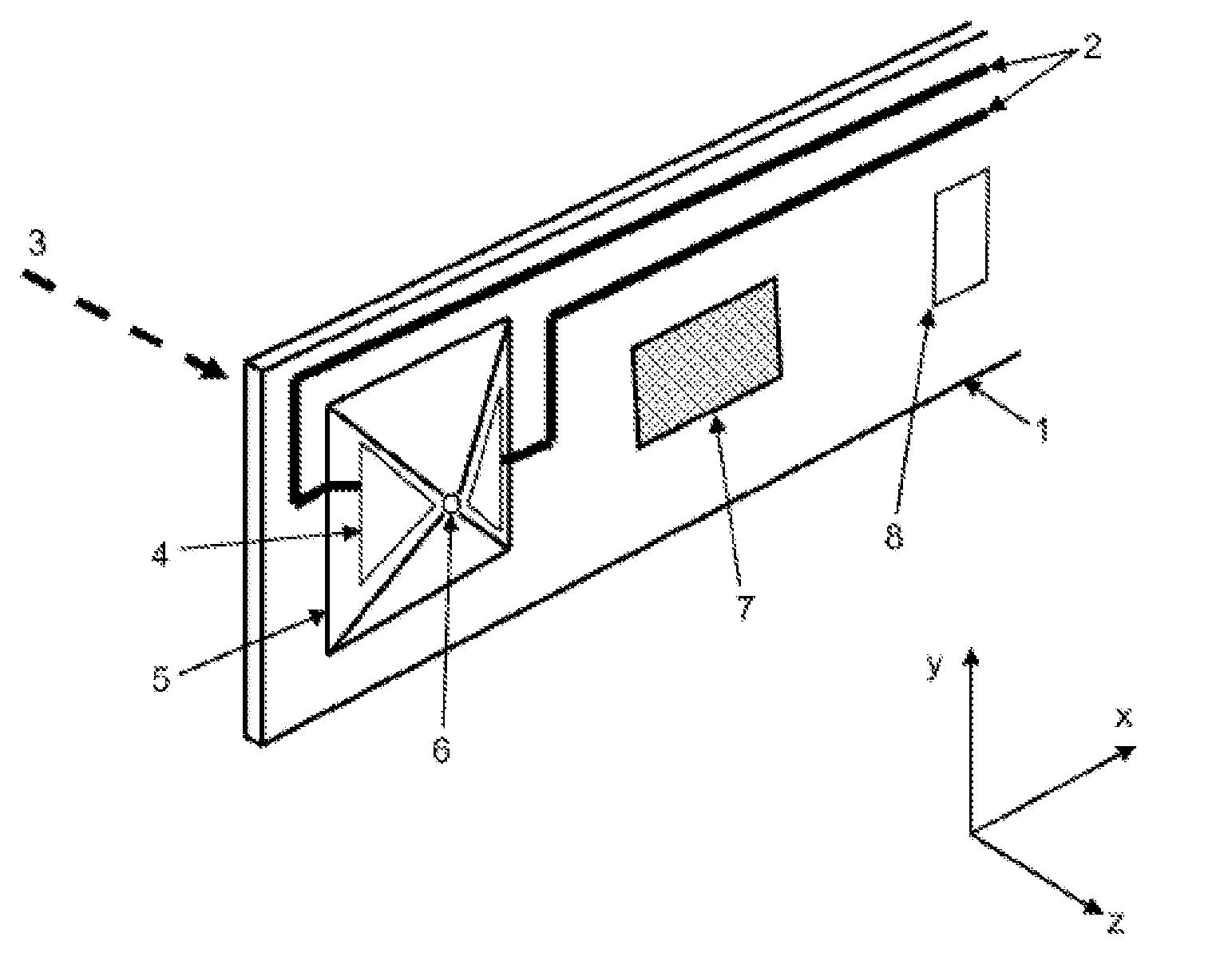
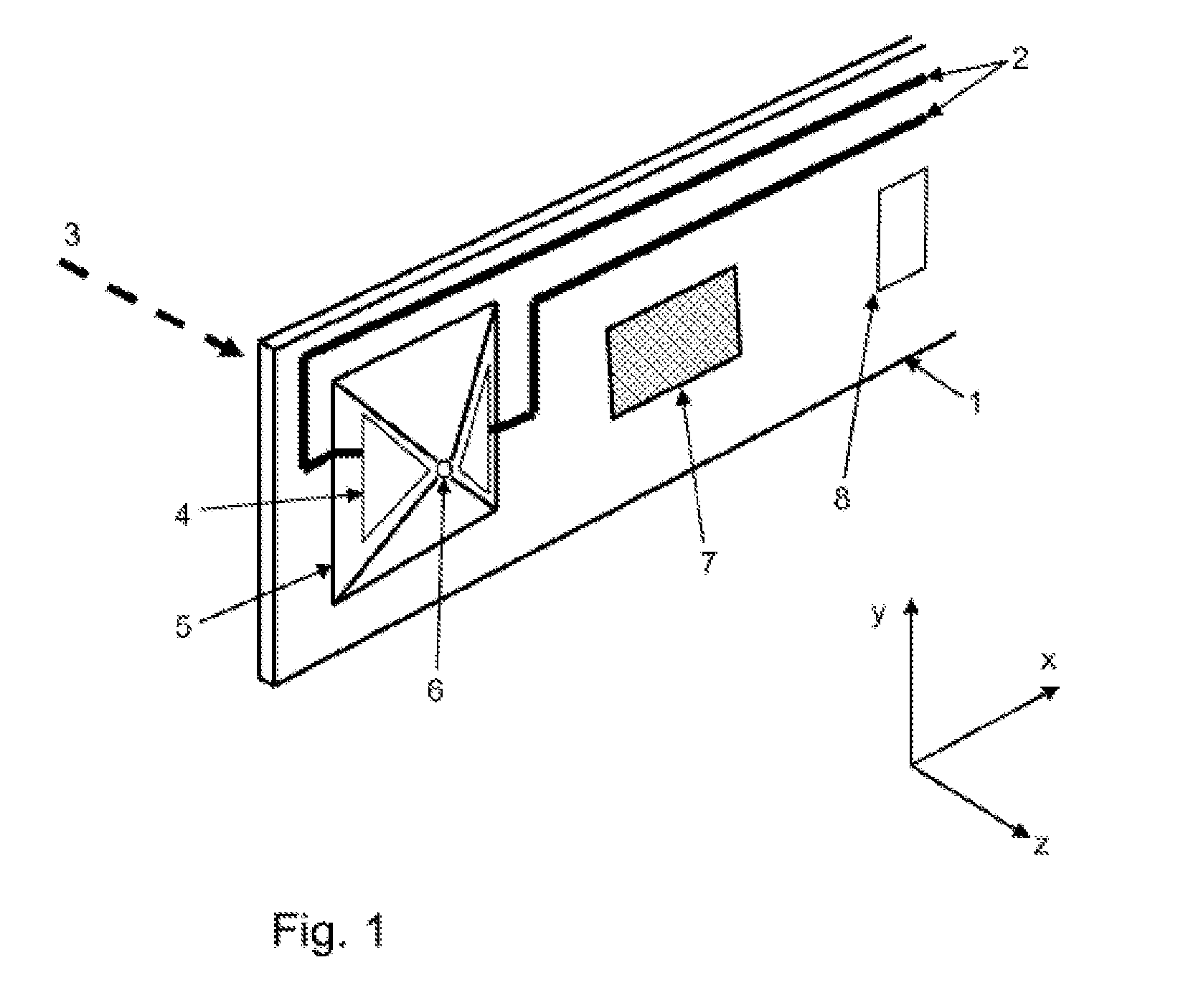
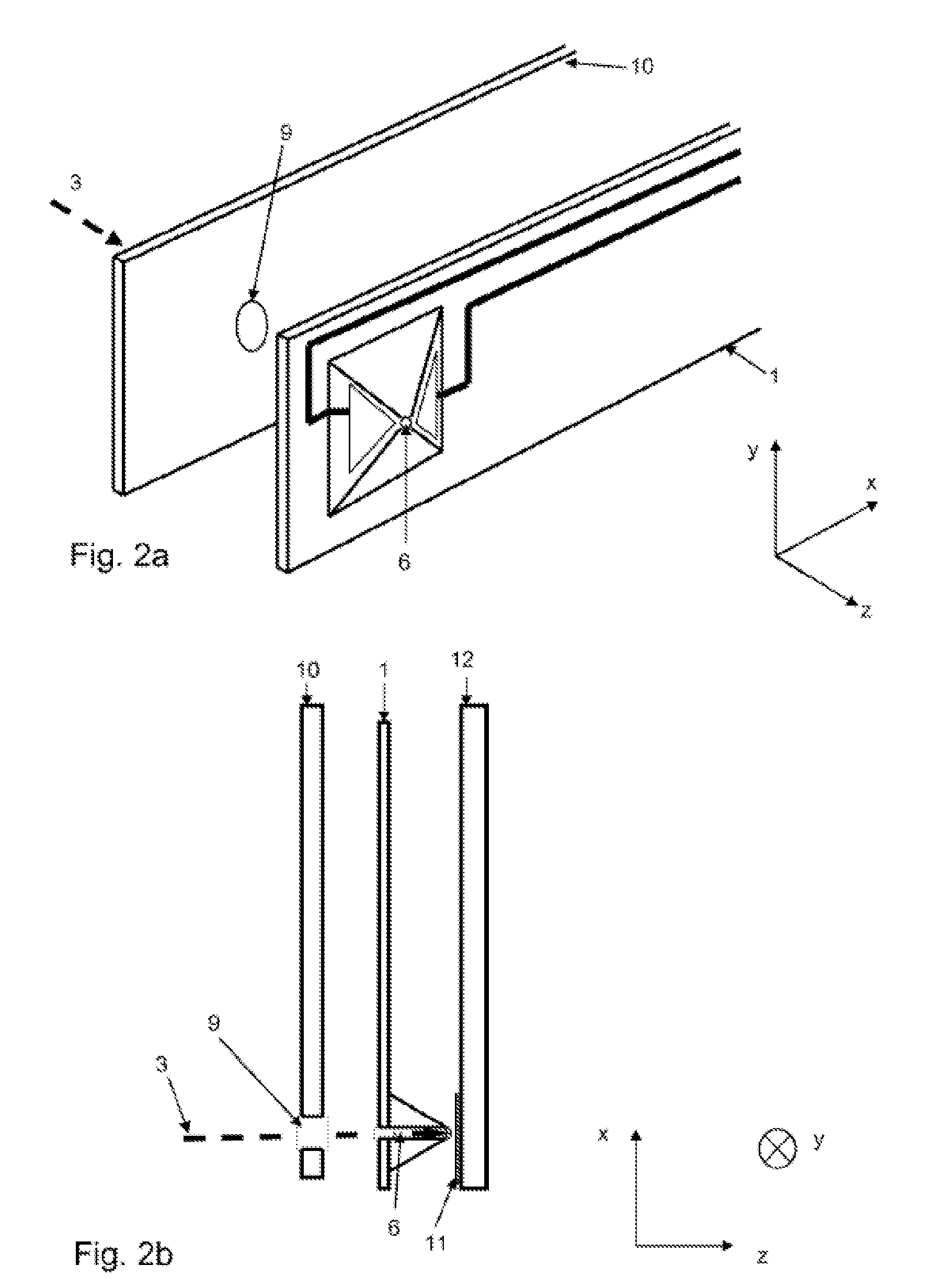
Device and method for an atomic force microscope for the study and modification of surface properties
PatentInactiveUS20110055985A1
Innovation
- An AFM device with a cantilever integrated piezo-resistive sensor, bi-metal actuator, and measurement tip configured to combine plasmon surface polaritons, resonant Raman scattering, and photoemission/absorption spectroscopy, using synchrotron radiation and configurable electrodes to enable active adaptation and simultaneous analysis and modification.

Surface plasmon resonance sensor combined with nanostructure
PatentActiveUS10976251B2
Innovation
- A surface plasmon resonance sensor is designed with a nanostructure comprising a conductive layer and an insulating layer, positioned at a nano-size interval on the surface of an optical fiber, enhancing sensitivity and hotspot effect by maximizing the interval between conductive layers for improved light reflection and antigen-antibody binding detection.


Cost-Benefit Analysis and ROI Considerations
When evaluating the implementation of Atomic Force Microscopy (AFM) versus Surface Plasmon Resonance (SPR) technologies, a comprehensive cost-benefit analysis is essential for making informed investment decisions. The initial capital expenditure for AFM systems typically ranges from $100,000 to $500,000, depending on capabilities and specifications, while SPR instruments generally cost between $150,000 and $300,000. This significant upfront investment necessitates careful consideration of long-term returns.
Operational costs present notable differences between these technologies. AFM requires regular probe replacement (approximately $300-500 per probe) with frequency depending on usage intensity and application type. Additionally, AFM systems demand specialized training for operators and may require vibration isolation tables and controlled environments, adding to implementation costs. Conversely, SPR systems entail recurring expenses for sensor chips ($100-200 per chip) and microfluidic components, plus reagent costs for sample preparation.
Maintenance considerations reveal that AFM systems typically require annual service contracts ranging from $10,000 to $30,000, with potential additional costs for laser replacement and electronic component upgrades. SPR systems generally have comparable maintenance contracts but may incur lower repair costs due to fewer mechanical components, potentially offering better long-term cost stability.
Return on investment calculations must account for application-specific productivity gains. For materials science and nanotechnology research, AFM delivers superior ROI through high-resolution imaging capabilities that enable novel material development. In pharmaceutical and biotechnology sectors, SPR offers compelling returns through accelerated drug discovery processes and reduced development timelines, potentially saving millions in development costs.
Time-to-result considerations significantly impact ROI calculations. SPR provides real-time binding analysis, enabling rapid experimental iterations and faster decision-making in research pipelines. AFM typically requires more time for sample preparation and imaging but delivers more comprehensive structural information. Organizations must evaluate whether the depth of information or speed of acquisition better serves their research objectives.
Scalability and future-proofing also affect long-term ROI. Modern AFM systems offer modular designs allowing capability expansion through additional modes (electrical, magnetic, thermal), extending instrument utility. Similarly, advanced SPR platforms now support multi-channel analysis and automation features that increase throughput and reduce per-sample analysis costs, enhancing value over the technology lifecycle.
Operational costs present notable differences between these technologies. AFM requires regular probe replacement (approximately $300-500 per probe) with frequency depending on usage intensity and application type. Additionally, AFM systems demand specialized training for operators and may require vibration isolation tables and controlled environments, adding to implementation costs. Conversely, SPR systems entail recurring expenses for sensor chips ($100-200 per chip) and microfluidic components, plus reagent costs for sample preparation.
Maintenance considerations reveal that AFM systems typically require annual service contracts ranging from $10,000 to $30,000, with potential additional costs for laser replacement and electronic component upgrades. SPR systems generally have comparable maintenance contracts but may incur lower repair costs due to fewer mechanical components, potentially offering better long-term cost stability.
Return on investment calculations must account for application-specific productivity gains. For materials science and nanotechnology research, AFM delivers superior ROI through high-resolution imaging capabilities that enable novel material development. In pharmaceutical and biotechnology sectors, SPR offers compelling returns through accelerated drug discovery processes and reduced development timelines, potentially saving millions in development costs.
Time-to-result considerations significantly impact ROI calculations. SPR provides real-time binding analysis, enabling rapid experimental iterations and faster decision-making in research pipelines. AFM typically requires more time for sample preparation and imaging but delivers more comprehensive structural information. Organizations must evaluate whether the depth of information or speed of acquisition better serves their research objectives.
Scalability and future-proofing also affect long-term ROI. Modern AFM systems offer modular designs allowing capability expansion through additional modes (electrical, magnetic, thermal), extending instrument utility. Similarly, advanced SPR platforms now support multi-channel analysis and automation features that increase throughput and reduce per-sample analysis costs, enhancing value over the technology lifecycle.
Integration Potential with Other Analytical Technologies
The integration of Atomic Force Microscopy (AFM) and Surface Plasmon Resonance (SPR) with other analytical technologies represents a significant frontier in advancing multi-modal characterization capabilities. These complementary techniques can be strategically combined with various other analytical methods to provide comprehensive insights into material properties and molecular interactions.
Mass spectrometry integration with SPR enables researchers to identify specific binding partners after detecting interactions, creating powerful workflows for proteomics and drug discovery. The SPR-MS combination allows for real-time binding kinetics measurement followed by molecular identification, significantly enhancing biomarker discovery and protein-protein interaction studies.
Similarly, AFM integration with Raman spectroscopy creates correlated topographical and chemical composition maps at nanoscale resolution. This AFM-Raman pairing has proven particularly valuable in materials science, semiconductor research, and biological sample characterization where both physical structure and chemical identity are crucial.
Fluorescence microscopy techniques complement both AFM and SPR by adding molecular specificity through fluorescent labeling. When integrated with AFM, fluorescence correlation provides spatial context to molecular identification, while SPR-fluorescence combinations enable simultaneous detection of binding events and conformational changes in biomolecules.
Electron microscopy integration with AFM offers multi-scale imaging capabilities, bridging the resolution gap between atomic-level details and larger structural features. This combination has revolutionized materials characterization workflows, particularly for heterogeneous samples requiring analysis across different length scales.
Computational modeling and simulation tools significantly enhance both AFM and SPR data interpretation. Machine learning algorithms applied to AFM force curves or SPR sensorgrams can extract subtle patterns and correlations not immediately apparent through conventional analysis, while molecular dynamics simulations help interpret experimental results in the context of theoretical models.
Microfluidic platforms represent another promising integration avenue, particularly for SPR systems. These enable high-throughput screening applications with minimal sample consumption, making them ideal for pharmaceutical development and diagnostic applications where sample quantities are limited.
The future development trajectory points toward fully automated, AI-driven multi-modal analytical platforms that seamlessly integrate complementary techniques, providing researchers with comprehensive characterization capabilities while minimizing the expertise required for operation and data interpretation.
Mass spectrometry integration with SPR enables researchers to identify specific binding partners after detecting interactions, creating powerful workflows for proteomics and drug discovery. The SPR-MS combination allows for real-time binding kinetics measurement followed by molecular identification, significantly enhancing biomarker discovery and protein-protein interaction studies.
Similarly, AFM integration with Raman spectroscopy creates correlated topographical and chemical composition maps at nanoscale resolution. This AFM-Raman pairing has proven particularly valuable in materials science, semiconductor research, and biological sample characterization where both physical structure and chemical identity are crucial.
Fluorescence microscopy techniques complement both AFM and SPR by adding molecular specificity through fluorescent labeling. When integrated with AFM, fluorescence correlation provides spatial context to molecular identification, while SPR-fluorescence combinations enable simultaneous detection of binding events and conformational changes in biomolecules.
Electron microscopy integration with AFM offers multi-scale imaging capabilities, bridging the resolution gap between atomic-level details and larger structural features. This combination has revolutionized materials characterization workflows, particularly for heterogeneous samples requiring analysis across different length scales.
Computational modeling and simulation tools significantly enhance both AFM and SPR data interpretation. Machine learning algorithms applied to AFM force curves or SPR sensorgrams can extract subtle patterns and correlations not immediately apparent through conventional analysis, while molecular dynamics simulations help interpret experimental results in the context of theoretical models.
Microfluidic platforms represent another promising integration avenue, particularly for SPR systems. These enable high-throughput screening applications with minimal sample consumption, making them ideal for pharmaceutical development and diagnostic applications where sample quantities are limited.
The future development trajectory points toward fully automated, AI-driven multi-modal analytical platforms that seamlessly integrate complementary techniques, providing researchers with comprehensive characterization capabilities while minimizing the expertise required for operation and data interpretation.
Unlock deeper insights with Patsnap Eureka Quick Research — get a full tech report to explore trends and direct your research. Try now!
Generate Your Research Report Instantly with AI Agent
Supercharge your innovation with Patsnap Eureka AI Agent Platform!