

Exploring Electrode Kinetics in Lipid Nanoparticle Systems
OCT 10, 20259 MIN READ
Generate Your Research Report Instantly with AI Agent
PatSnap Eureka helps you evaluate technical feasibility & market potential.
Lipid Nanoparticle Electrode Kinetics Background and Objectives
Lipid nanoparticles (LNPs) have emerged as revolutionary delivery systems for various therapeutic agents, most notably in mRNA vaccine technology as demonstrated during the COVID-19 pandemic. The historical development of LNPs can be traced back to liposomal research in the 1960s, with significant advancements occurring in the early 2000s when researchers began exploring their potential for nucleic acid delivery. The field has experienced exponential growth over the past decade, driven by breakthroughs in formulation techniques and manufacturing processes.
The intersection of electrochemistry and LNP systems represents a relatively unexplored frontier with immense potential. Electrode kinetics—the study of charge transfer processes at electrode-electrolyte interfaces—plays a crucial role in understanding how LNPs interact with biological membranes and how they can be manipulated for controlled release mechanisms. Traditional electrochemical methods have been adapted to study these complex colloidal systems, but significant knowledge gaps remain.
Current technological trends indicate a shift toward more precise control over LNP properties through electrochemical manipulation. This includes the development of electroresponsive LNPs that can release their cargo upon specific electrical stimuli, as well as electrochemical characterization techniques that provide deeper insights into LNP stability, surface properties, and interaction dynamics. The integration of microfluidic electrochemical platforms with LNP production represents another promising direction.
The primary objectives of exploring electrode kinetics in LNP systems are multifaceted. First, we aim to establish robust methodologies for characterizing the electrochemical behavior of different LNP formulations, particularly those used in drug and gene delivery. Second, we seek to understand the fundamental mechanisms governing charge transfer at the LNP-electrode interface, which could inform the design of more effective delivery systems.
Additionally, this research targets the development of electrochemically triggered release systems that could revolutionize targeted drug delivery by providing spatial and temporal control over therapeutic release. Understanding how surface charge distribution affects LNP stability, cellular uptake, and biodistribution represents another critical objective. The potential for real-time monitoring of LNP behavior in biological environments through electrochemical sensing also presents exciting possibilities.
From a broader perspective, advances in this field could enable the next generation of smart nanomedicines with programmable functions and responsive behaviors. The convergence of nanotechnology, electrochemistry, and pharmaceutical sciences creates unique opportunities for addressing current limitations in drug delivery, gene therapy, and diagnostic applications. As we progress in this research, we anticipate establishing new paradigms for controlling and understanding nanoscale interactions at biological interfaces.
The intersection of electrochemistry and LNP systems represents a relatively unexplored frontier with immense potential. Electrode kinetics—the study of charge transfer processes at electrode-electrolyte interfaces—plays a crucial role in understanding how LNPs interact with biological membranes and how they can be manipulated for controlled release mechanisms. Traditional electrochemical methods have been adapted to study these complex colloidal systems, but significant knowledge gaps remain.
Current technological trends indicate a shift toward more precise control over LNP properties through electrochemical manipulation. This includes the development of electroresponsive LNPs that can release their cargo upon specific electrical stimuli, as well as electrochemical characterization techniques that provide deeper insights into LNP stability, surface properties, and interaction dynamics. The integration of microfluidic electrochemical platforms with LNP production represents another promising direction.
The primary objectives of exploring electrode kinetics in LNP systems are multifaceted. First, we aim to establish robust methodologies for characterizing the electrochemical behavior of different LNP formulations, particularly those used in drug and gene delivery. Second, we seek to understand the fundamental mechanisms governing charge transfer at the LNP-electrode interface, which could inform the design of more effective delivery systems.
Additionally, this research targets the development of electrochemically triggered release systems that could revolutionize targeted drug delivery by providing spatial and temporal control over therapeutic release. Understanding how surface charge distribution affects LNP stability, cellular uptake, and biodistribution represents another critical objective. The potential for real-time monitoring of LNP behavior in biological environments through electrochemical sensing also presents exciting possibilities.
From a broader perspective, advances in this field could enable the next generation of smart nanomedicines with programmable functions and responsive behaviors. The convergence of nanotechnology, electrochemistry, and pharmaceutical sciences creates unique opportunities for addressing current limitations in drug delivery, gene therapy, and diagnostic applications. As we progress in this research, we anticipate establishing new paradigms for controlling and understanding nanoscale interactions at biological interfaces.
Market Applications and Demand Analysis for LNP Electrochemical Systems
The global market for lipid nanoparticle (LNP) electrochemical systems has witnessed significant growth in recent years, driven primarily by advancements in drug delivery technologies and increasing applications in mRNA therapeutics. The successful deployment of LNP-based COVID-19 vaccines has dramatically accelerated market interest, creating a surge in demand for improved electrochemical characterization and manufacturing techniques.
Healthcare and pharmaceutical sectors represent the largest market segment, with LNP systems being crucial for targeted drug delivery, gene therapy, and vaccine development. The global drug delivery market utilizing advanced nanoparticle systems is projected to reach $160 billion by 2026, with LNP-based solutions accounting for approximately 15% of this market share. This growth trajectory is supported by increasing investments in personalized medicine and precision therapeutics.
Diagnostic applications constitute another rapidly expanding market segment. Electrochemical biosensors incorporating LNP systems offer enhanced sensitivity and specificity for detecting biomarkers, pathogens, and environmental contaminants. The biosensor market is experiencing annual growth rates of 8-10%, with electrochemical LNP systems positioned as premium solutions due to their superior performance characteristics.
Research institutions and academic laboratories form a substantial customer base for LNP electrochemical systems, particularly for fundamental research in membrane biophysics, drug-membrane interactions, and nanoparticle characterization. This segment values high-precision instruments capable of detailed kinetic analysis and real-time monitoring of electrochemical processes at the nano-bio interface.
The industrial sector shows increasing demand for LNP electrochemical systems in quality control and manufacturing optimization. Pharmaceutical companies are investing in advanced electrochemical techniques to ensure batch-to-batch consistency and stability of LNP-based formulations. This application area is expected to grow at 12% annually as manufacturing scales up to meet global therapeutic demands.
Geographically, North America leads the market with approximately 40% share, followed by Europe and Asia-Pacific regions. Emerging economies in Asia, particularly China and India, are showing the fastest growth rates due to expanding pharmaceutical manufacturing capabilities and increasing R&D investments.
Customer requirements across these markets emphasize several key features: higher sensitivity for detecting subtle electrochemical changes in LNP systems, improved temporal resolution for kinetic studies, integration capabilities with existing analytical platforms, and user-friendly interfaces that don't require extensive electrochemical expertise. Additionally, there is growing demand for miniaturized systems suitable for point-of-care applications and high-throughput screening platforms for pharmaceutical development.
Healthcare and pharmaceutical sectors represent the largest market segment, with LNP systems being crucial for targeted drug delivery, gene therapy, and vaccine development. The global drug delivery market utilizing advanced nanoparticle systems is projected to reach $160 billion by 2026, with LNP-based solutions accounting for approximately 15% of this market share. This growth trajectory is supported by increasing investments in personalized medicine and precision therapeutics.
Diagnostic applications constitute another rapidly expanding market segment. Electrochemical biosensors incorporating LNP systems offer enhanced sensitivity and specificity for detecting biomarkers, pathogens, and environmental contaminants. The biosensor market is experiencing annual growth rates of 8-10%, with electrochemical LNP systems positioned as premium solutions due to their superior performance characteristics.
Research institutions and academic laboratories form a substantial customer base for LNP electrochemical systems, particularly for fundamental research in membrane biophysics, drug-membrane interactions, and nanoparticle characterization. This segment values high-precision instruments capable of detailed kinetic analysis and real-time monitoring of electrochemical processes at the nano-bio interface.
The industrial sector shows increasing demand for LNP electrochemical systems in quality control and manufacturing optimization. Pharmaceutical companies are investing in advanced electrochemical techniques to ensure batch-to-batch consistency and stability of LNP-based formulations. This application area is expected to grow at 12% annually as manufacturing scales up to meet global therapeutic demands.
Geographically, North America leads the market with approximately 40% share, followed by Europe and Asia-Pacific regions. Emerging economies in Asia, particularly China and India, are showing the fastest growth rates due to expanding pharmaceutical manufacturing capabilities and increasing R&D investments.
Customer requirements across these markets emphasize several key features: higher sensitivity for detecting subtle electrochemical changes in LNP systems, improved temporal resolution for kinetic studies, integration capabilities with existing analytical platforms, and user-friendly interfaces that don't require extensive electrochemical expertise. Additionally, there is growing demand for miniaturized systems suitable for point-of-care applications and high-throughput screening platforms for pharmaceutical development.
Current Challenges in Electrode-LNP Interface Kinetics
The electrode-lipid nanoparticle (LNP) interface presents significant challenges that impede the advancement of electrochemical applications in drug delivery, biosensing, and energy storage. One primary obstacle is the complex nature of charge transfer across the electrode-LNP boundary. Unlike traditional electrochemical systems, LNPs possess a heterogeneous structure with multiple lipid layers that create varying dielectric environments, complicating electron transfer kinetics and making standard electrochemical models insufficient.
Surface chemistry interactions between electrodes and LNPs introduce another layer of complexity. The lipid headgroups can adsorb onto electrode surfaces in unpredictable orientations, creating inconsistent electrical double layers that affect capacitance measurements and signal reproducibility. This variability significantly impacts the reliability of electroanalytical techniques when applied to LNP systems.
Stability issues present persistent challenges, as LNPs can undergo structural reorganization when subjected to electrical fields. Applied potentials may induce phase transitions within the lipid bilayers or cause electroporation effects, potentially compromising the integrity of encapsulated cargo. These phenomena are particularly problematic for applications requiring precise control over release kinetics or long-term electrochemical monitoring.
The dynamic nature of LNP systems further complicates electrode kinetics. Temperature fluctuations, pH changes, and ionic strength variations can dramatically alter the physicochemical properties of LNPs, subsequently affecting their electrochemical behavior. Current analytical methods struggle to account for these multifactorial dependencies, limiting real-time monitoring capabilities.
Scaling challenges persist in translating laboratory findings to practical applications. Microelectrode arrays designed for LNP detection often suffer from signal-to-noise ratio problems when detecting low concentrations of LNPs or when distinguishing between different LNP populations in heterogeneous samples. This sensitivity limitation restricts the development of point-of-care diagnostic tools based on LNP electrochemistry.
Computational modeling of electrode-LNP interactions remains underdeveloped. Existing models typically treat LNPs as homogeneous entities rather than complex, multi-component structures. This oversimplification fails to capture the nuanced electrochemical responses observed experimentally, creating a disconnect between theoretical predictions and practical outcomes.
Manufacturing reproducibility presents additional hurdles. Electrode surfaces with consistent properties are essential for reliable LNP characterization, yet current fabrication techniques struggle to produce electrodes with uniform surface energies and nanoscale features that can consistently interact with LNPs. This variability introduces significant batch-to-batch differences in electrochemical measurements, hampering standardization efforts in the field.
Surface chemistry interactions between electrodes and LNPs introduce another layer of complexity. The lipid headgroups can adsorb onto electrode surfaces in unpredictable orientations, creating inconsistent electrical double layers that affect capacitance measurements and signal reproducibility. This variability significantly impacts the reliability of electroanalytical techniques when applied to LNP systems.
Stability issues present persistent challenges, as LNPs can undergo structural reorganization when subjected to electrical fields. Applied potentials may induce phase transitions within the lipid bilayers or cause electroporation effects, potentially compromising the integrity of encapsulated cargo. These phenomena are particularly problematic for applications requiring precise control over release kinetics or long-term electrochemical monitoring.
The dynamic nature of LNP systems further complicates electrode kinetics. Temperature fluctuations, pH changes, and ionic strength variations can dramatically alter the physicochemical properties of LNPs, subsequently affecting their electrochemical behavior. Current analytical methods struggle to account for these multifactorial dependencies, limiting real-time monitoring capabilities.
Scaling challenges persist in translating laboratory findings to practical applications. Microelectrode arrays designed for LNP detection often suffer from signal-to-noise ratio problems when detecting low concentrations of LNPs or when distinguishing between different LNP populations in heterogeneous samples. This sensitivity limitation restricts the development of point-of-care diagnostic tools based on LNP electrochemistry.
Computational modeling of electrode-LNP interactions remains underdeveloped. Existing models typically treat LNPs as homogeneous entities rather than complex, multi-component structures. This oversimplification fails to capture the nuanced electrochemical responses observed experimentally, creating a disconnect between theoretical predictions and practical outcomes.
Manufacturing reproducibility presents additional hurdles. Electrode surfaces with consistent properties are essential for reliable LNP characterization, yet current fabrication techniques struggle to produce electrodes with uniform surface energies and nanoscale features that can consistently interact with LNPs. This variability introduces significant batch-to-batch differences in electrochemical measurements, hampering standardization efforts in the field.
State-of-the-Art Methodologies for Studying LNP Electrode Interactions
01 Lipid nanoparticle formulations for electrode interfaces
Lipid nanoparticles can be used to create biocompatible interfaces between electrodes and biological tissues, improving signal transduction and reducing impedance. These formulations typically contain specific lipid compositions that enhance electrode kinetics by facilitating ion transfer at the electrode-tissue interface. The nanostructured lipid layers create a more favorable environment for electrochemical reactions, resulting in improved sensitivity and response time of electrochemical sensors and biosensors.- Lipid nanoparticle formulations for electrode interfaces: Lipid nanoparticles can be engineered to enhance electrode-electrolyte interfaces in electrochemical systems. These formulations improve electron transfer kinetics by creating a biocompatible interface that reduces impedance and increases conductivity. The lipid structures can be modified with functional groups that facilitate electron movement while maintaining stability at the electrode surface, resulting in more efficient electrochemical reactions and improved sensor performance.
- Electrode kinetics enhancement using nanostructured lipid carriers: Nanostructured lipid carriers can be designed to modify electrode surfaces, enhancing reaction kinetics through increased active surface area and improved charge transfer capabilities. These systems incorporate specialized lipid compositions that create favorable microenvironments for electrochemical reactions. The structured lipid layers help control diffusion processes at the electrode interface, leading to more predictable and faster electrode kinetics for applications in biosensing and energy storage.
- Temperature-responsive lipid nanoparticles for controlled electrode processes: Temperature-responsive lipid nanoparticle systems can be used to modulate electrode kinetics through phase transitions in the lipid structure. These smart materials change their physical properties in response to temperature variations, allowing for controlled release of electroactive species or adjustable conductivity at electrode surfaces. This approach enables dynamic control over electrochemical processes, with applications in drug delivery systems, biosensors, and adaptive energy storage devices.
- Lipid-based electrode coatings for improved biocompatibility and signal transduction: Specialized lipid nanoparticle formulations can be applied as coatings on electrodes to improve biocompatibility while maintaining efficient signal transduction. These coatings mimic biological membranes, creating interfaces that are more compatible with biological systems while facilitating electron transfer processes. The lipid layers can incorporate ion channels or other transport mechanisms that enhance specific ion movements, resulting in improved electrode performance in biological environments for applications in neural interfaces and implantable sensors.
- Redox-active lipid nanoparticles for enhanced electron transfer: Redox-active components can be incorporated into lipid nanoparticle systems to directly participate in electron transfer processes at electrode surfaces. These specialized formulations contain lipids modified with electroactive moieties or encapsulate redox mediators that facilitate electron hopping mechanisms. By positioning these redox-active elements at precise distances within the lipid structure, electron transfer kinetics can be significantly enhanced, leading to more efficient electrochemical reactions for applications in biosensing, energy conversion, and catalysis.
02 Electrochemical characterization of lipid nanoparticle systems
Methods for analyzing the electrochemical properties of lipid nanoparticle systems involve techniques such as cyclic voltammetry, impedance spectroscopy, and chronoamperometry. These techniques help determine electron transfer rates, diffusion coefficients, and reaction mechanisms at the lipid nanoparticle-modified electrodes. Understanding these kinetic parameters is crucial for optimizing lipid nanoparticle formulations for applications in biosensing, drug delivery, and bioelectronics.Expand Specific Solutions03 Lipid nanoparticles for enhanced electron transfer in biosensors
Lipid nanoparticles can be engineered to incorporate redox-active components that facilitate electron transfer between biological molecules and electrode surfaces. These systems improve the kinetics of electrochemical reactions by reducing the activation energy barrier and providing alternative reaction pathways. The enhanced electron transfer capabilities lead to more sensitive and selective biosensors for detecting biomarkers, pathogens, and environmental contaminants.Expand Specific Solutions04 Lipid nanoparticle-modified electrodes for energy storage applications
Lipid nanoparticle systems can be used to modify electrode surfaces in batteries, supercapacitors, and fuel cells to improve their electrochemical performance. The lipid nanostructures create organized interfaces that enhance ion transport and electron transfer kinetics, leading to higher energy and power densities. These modified electrodes also demonstrate improved cycling stability and reduced internal resistance, making them promising for next-generation energy storage devices.Expand Specific Solutions05 Temperature and pH effects on lipid nanoparticle electrode kinetics
Environmental factors such as temperature and pH significantly influence the electrode kinetics of lipid nanoparticle systems. Changes in temperature affect the fluidity and phase behavior of lipid membranes, while pH variations alter the surface charge and electrostatic interactions at the electrode interface. Understanding these effects is essential for designing robust lipid nanoparticle-based electrochemical systems that can function reliably under various environmental conditions.Expand Specific Solutions
Leading Research Groups and Companies in LNP Electrochemistry
The electrode kinetics in lipid nanoparticle systems field is currently in an early growth phase, characterized by intensive academic research with emerging commercial applications. The global market for lipid nanoparticle technologies is expanding rapidly, projected to reach $15-20 billion by 2027, driven by pharmaceutical and biomedical applications. Leading research institutions like KAIST, Zhejiang University, and the National Center for Nanoscience & Technology are advancing fundamental understanding, while companies including Samsung SDI, Helena Laboratories, and GE are developing commercial applications. The technology maturity varies across applications, with established players focusing on standardizing methodologies and emerging companies like Honeycomb Battery and Rubius Therapeutics exploring novel therapeutic and energy storage implementations, indicating a field transitioning from research to commercialization.
SAMSUNG SDI CO LTD
Technical Solution: Samsung SDI has developed advanced electrode-lipid nanoparticle interface technologies primarily for next-generation energy storage applications. Their research focuses on lipid-coated electrode materials that enhance ion transport kinetics while providing protective barriers against electrolyte degradation. The company has pioneered the use of phospholipid-derived coatings with precisely engineered head groups that facilitate controlled ion transport at the electrode surface. Their proprietary "LipidElectrode" technology incorporates zwitterionic lipid structures that maintain stable electrical double layers at the electrode interface, resulting in improved cycling stability and rate capability in battery applications. Samsung SDI has also developed novel characterization techniques combining electrochemical impedance spectroscopy with surface-sensitive spectroscopic methods to quantify the relationship between lipid layer structure and electrode kinetics under various operating conditions.
Strengths: Strong industrial R&D capabilities with extensive resources; integration of lipid nanoparticle technology with established battery manufacturing processes. Weaknesses: Primary focus on energy applications rather than biomedical uses; potential challenges in adapting electrode kinetics knowledge to biological systems.
National Center for Nanoscience & Technology
Technical Solution: The National Center for Nanoscience & Technology (NCNST) in China has developed a comprehensive research program on electrode kinetics in lipid nanoparticle systems, focusing on the fundamental electrochemical processes at the lipid-electrode interface. Their approach combines advanced scanning electrochemical microscopy with molecular dynamics simulations to visualize and model electron transfer processes at nanoscale resolution. NCNST researchers have pioneered the development of "electroresponsive" lipid nanoparticles with engineered redox-active components that facilitate controlled electron transfer across lipid membranes. Their work has established quantitative relationships between lipid composition, nanoparticle structure, and electrode kinetics parameters including exchange current density and transfer coefficients. The center has also developed novel in situ characterization techniques that allow real-time monitoring of lipid reorganization during electrochemical processes, providing insights into how membrane fluidity and phase behavior influence electrode reaction rates.
Strengths: Strong fundamental research capabilities in nanoscale electrochemistry; extensive expertise in advanced characterization techniques for studying electrode-lipid interfaces. Weaknesses: May face challenges in translating fundamental insights into practical applications; potential gaps in scaling technologies from laboratory to industrial scale.
Critical Patents and Literature on Lipid Nanoparticle Electrochemistry
Lipid nanoparticles containing conjugated oligoelectrolytes
PatentWO2025159693A1
Innovation
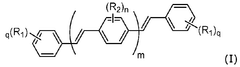
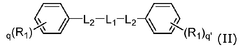
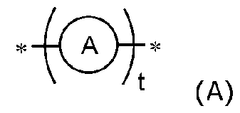
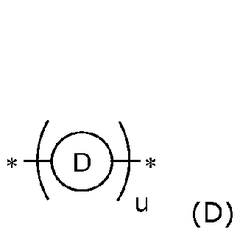
- Incorporation of conjugated oligoelectrolytes (COEs) into lipid nanoparticles to stabilize the structure, enhance cellular uptake, and facilitate payload release, using a unique bola-like structure that interacts with both the lipid membrane and mRNA molecules.
Regulatory Considerations for LNP-Based Electrochemical Devices
The regulatory landscape for Lipid Nanoparticle (LNP)-based electrochemical devices presents a complex framework that developers must navigate carefully. These innovative systems, which leverage electrode kinetics within LNP environments, fall under multiple regulatory jurisdictions depending on their intended applications, whether as diagnostic tools, therapeutic delivery systems, or monitoring devices.
The FDA's Center for Devices and Radiological Health (CDRH) typically oversees electrochemical devices, while the Center for Drug Evaluation and Research (CDER) regulates LNP formulations used in drug delivery. This dual-oversight creates unique challenges for integrated LNP electrochemical systems, often requiring coordinated reviews through the FDA's combination product pathway.
Safety considerations are paramount in the regulatory assessment of these devices. Regulatory bodies require comprehensive data on electrode stability, potential leaching of materials, and the generation of reactive species at electrode-LNP interfaces. The potential for electrochemical reactions to alter LNP integrity or trigger premature release of encapsulated materials must be thoroughly characterized and mitigated.
Biocompatibility testing follows the ISO 10993 series standards but must be adapted to account for the unique interactions between electrochemical components and lipid structures. Standard protocols may not fully capture the complexity of these interactions, necessitating the development of specialized testing methodologies that regulatory agencies increasingly expect to see in submissions.
Performance validation presents another regulatory hurdle, as agencies require evidence that electrode kinetics remain consistent and predictable within the LNP environment across various physiological conditions. This includes stability testing under conditions that simulate the intended use environment, with particular attention to temperature fluctuations, pH variations, and exposure to biological fluids.
Manufacturing controls for these hybrid systems face heightened scrutiny, with Good Manufacturing Practice (GMP) requirements spanning both pharmaceutical and medical device domains. Process validation must demonstrate consistent electrode performance within the LNP system, with particular attention to batch-to-batch reproducibility of electrochemical parameters.
International regulatory harmonization remains incomplete for these novel systems, creating challenges for global market access. While the International Council for Harmonisation (ICH) provides some guidance for pharmaceutical aspects, and the International Medical Device Regulators Forum (IMDRF) addresses device components, integrated guidance specific to electrochemical LNP systems is still evolving, requiring developers to engage early and often with regulatory authorities across target markets.
The FDA's Center for Devices and Radiological Health (CDRH) typically oversees electrochemical devices, while the Center for Drug Evaluation and Research (CDER) regulates LNP formulations used in drug delivery. This dual-oversight creates unique challenges for integrated LNP electrochemical systems, often requiring coordinated reviews through the FDA's combination product pathway.
Safety considerations are paramount in the regulatory assessment of these devices. Regulatory bodies require comprehensive data on electrode stability, potential leaching of materials, and the generation of reactive species at electrode-LNP interfaces. The potential for electrochemical reactions to alter LNP integrity or trigger premature release of encapsulated materials must be thoroughly characterized and mitigated.
Biocompatibility testing follows the ISO 10993 series standards but must be adapted to account for the unique interactions between electrochemical components and lipid structures. Standard protocols may not fully capture the complexity of these interactions, necessitating the development of specialized testing methodologies that regulatory agencies increasingly expect to see in submissions.
Performance validation presents another regulatory hurdle, as agencies require evidence that electrode kinetics remain consistent and predictable within the LNP environment across various physiological conditions. This includes stability testing under conditions that simulate the intended use environment, with particular attention to temperature fluctuations, pH variations, and exposure to biological fluids.
Manufacturing controls for these hybrid systems face heightened scrutiny, with Good Manufacturing Practice (GMP) requirements spanning both pharmaceutical and medical device domains. Process validation must demonstrate consistent electrode performance within the LNP system, with particular attention to batch-to-batch reproducibility of electrochemical parameters.
International regulatory harmonization remains incomplete for these novel systems, creating challenges for global market access. While the International Council for Harmonisation (ICH) provides some guidance for pharmaceutical aspects, and the International Medical Device Regulators Forum (IMDRF) addresses device components, integrated guidance specific to electrochemical LNP systems is still evolving, requiring developers to engage early and often with regulatory authorities across target markets.
Scalability and Manufacturing Challenges for LNP Electrode Systems
The scaling of Lipid Nanoparticle (LNP) electrode systems from laboratory to industrial production presents significant manufacturing challenges that must be addressed for commercial viability. Current laboratory-scale production methods often rely on microfluidic mixing techniques that, while effective for small batches, face substantial hurdles when scaled to meet commercial demands. These challenges include maintaining consistent particle size distribution, lipid composition uniformity, and electrode integration quality across larger production volumes.
Manufacturing consistency represents a primary concern, as variations in production parameters can significantly impact electrode kinetics and overall system performance. Temperature control during the manufacturing process is particularly critical, as even minor fluctuations can alter lipid phase behavior and subsequent electrode-lipid interactions. Similarly, precise control of mixing ratios between lipid components and electrode materials must be maintained across scaled-up production systems to ensure batch-to-batch reproducibility.
Equipment limitations further complicate large-scale production efforts. Current industrial mixing technologies may not provide the same level of control over critical parameters as laboratory microfluidic systems. The transition from microfluidic to larger continuous flow systems introduces new variables that can affect nanoparticle formation dynamics and electrode incorporation. Additionally, specialized equipment for electrode integration into LNP systems at industrial scales remains underdeveloped, creating a technological gap in the manufacturing pipeline.
Quality control processes present another significant challenge. As production scales increase, traditional analytical methods may become bottlenecks, requiring the development of rapid, high-throughput techniques for characterizing electrode kinetics in LNP systems. Real-time monitoring capabilities for critical quality attributes during manufacturing remain limited, complicating process validation and regulatory compliance efforts.
Cost considerations also impact scalability, with raw material expenses—particularly for specialized lipids and electrode components—representing a substantial portion of production costs. Current manufacturing approaches often involve complex multi-step processes with low overall yields, driving up per-unit costs. Process optimization to improve yield while maintaining quality represents a critical challenge for commercial viability.
Regulatory pathways for scaled production add another layer of complexity. Manufacturing processes must adhere to Good Manufacturing Practice (GMP) standards, requiring extensive validation of each production step. The novel nature of LNP electrode systems means that regulatory frameworks may be evolving, creating uncertainty in compliance requirements and potentially extending development timelines.
Manufacturing consistency represents a primary concern, as variations in production parameters can significantly impact electrode kinetics and overall system performance. Temperature control during the manufacturing process is particularly critical, as even minor fluctuations can alter lipid phase behavior and subsequent electrode-lipid interactions. Similarly, precise control of mixing ratios between lipid components and electrode materials must be maintained across scaled-up production systems to ensure batch-to-batch reproducibility.
Equipment limitations further complicate large-scale production efforts. Current industrial mixing technologies may not provide the same level of control over critical parameters as laboratory microfluidic systems. The transition from microfluidic to larger continuous flow systems introduces new variables that can affect nanoparticle formation dynamics and electrode incorporation. Additionally, specialized equipment for electrode integration into LNP systems at industrial scales remains underdeveloped, creating a technological gap in the manufacturing pipeline.
Quality control processes present another significant challenge. As production scales increase, traditional analytical methods may become bottlenecks, requiring the development of rapid, high-throughput techniques for characterizing electrode kinetics in LNP systems. Real-time monitoring capabilities for critical quality attributes during manufacturing remain limited, complicating process validation and regulatory compliance efforts.
Cost considerations also impact scalability, with raw material expenses—particularly for specialized lipids and electrode components—representing a substantial portion of production costs. Current manufacturing approaches often involve complex multi-step processes with low overall yields, driving up per-unit costs. Process optimization to improve yield while maintaining quality represents a critical challenge for commercial viability.
Regulatory pathways for scaled production add another layer of complexity. Manufacturing processes must adhere to Good Manufacturing Practice (GMP) standards, requiring extensive validation of each production step. The novel nature of LNP electrode systems means that regulatory frameworks may be evolving, creating uncertainty in compliance requirements and potentially extending development timelines.
Unlock deeper insights with PatSnap Eureka Quick Research — get a full tech report to explore trends and direct your research. Try now!
Generate Your Research Report Instantly with AI Agent
Supercharge your innovation with PatSnap Eureka AI Agent Platform!