Driver and passenger health and sleep interaction

A driver-passenger technology applied in the field of vehicle occupant interaction to promote safety, which can solve problems such as road safety issues

CN110268451AInactive Publication Date: 2019-09-20KONINKLJIJKE PHILIPS NV
11 Cites 10 Cited by

Patent Information

Authority / Receiving Office
CN · China
Patent Type
Applications(China)
Current Assignee / Owner
Publication Date
2019-09-20
Estimated Expiration
Not applicable · inactive patent

Smart Images

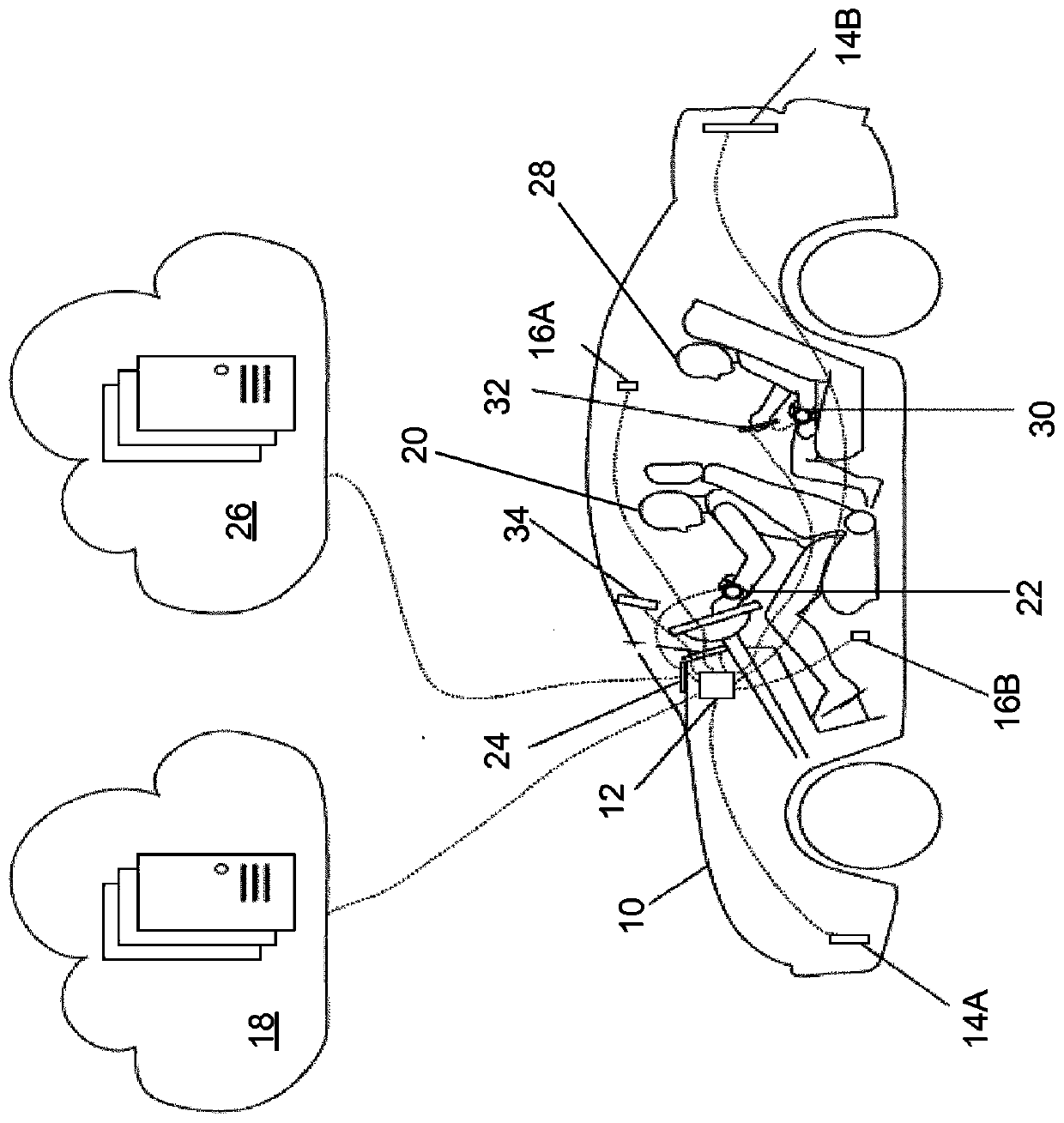
  • Figure 1
    Figure 1
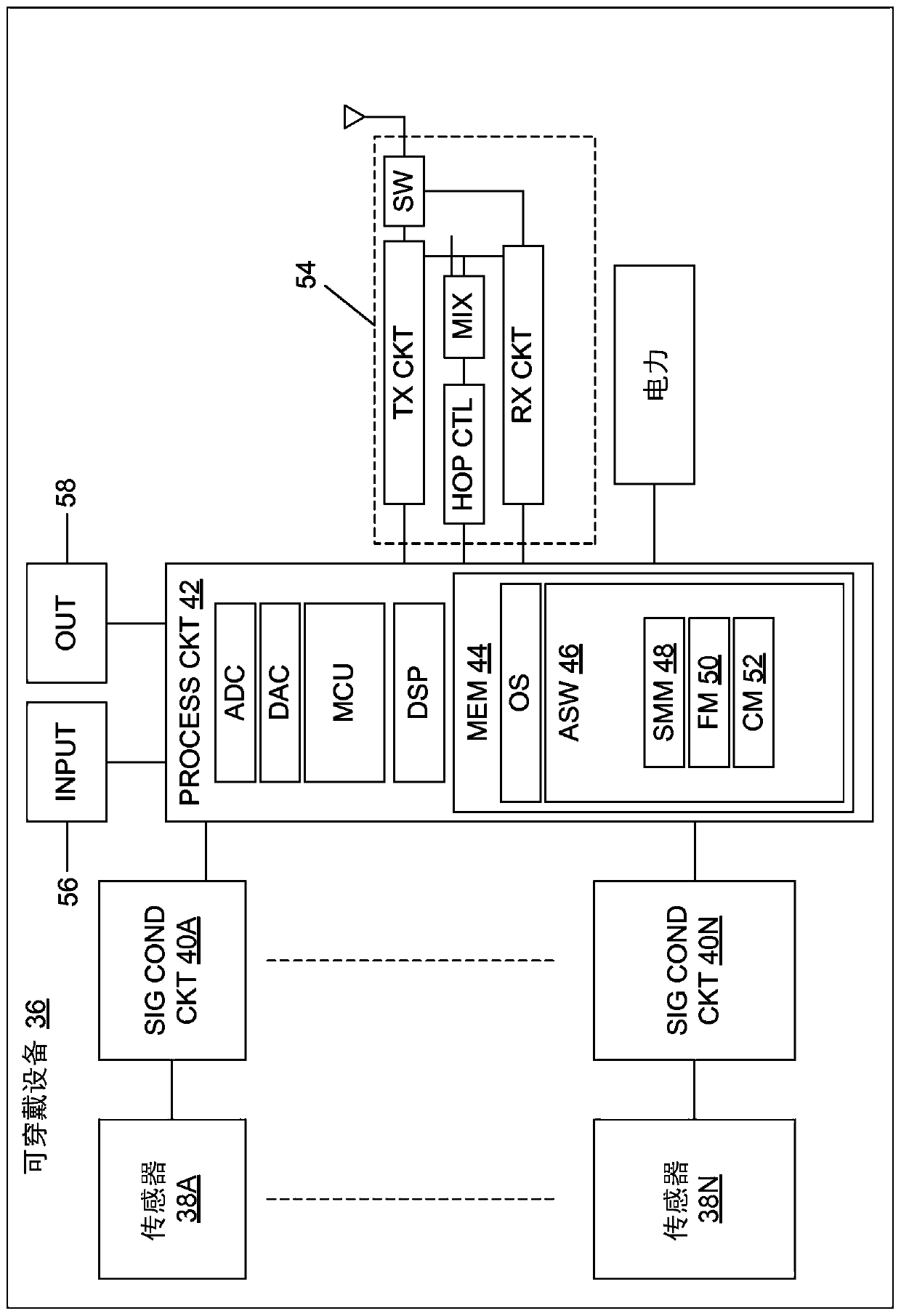
  • Figure 2
    Figure 2
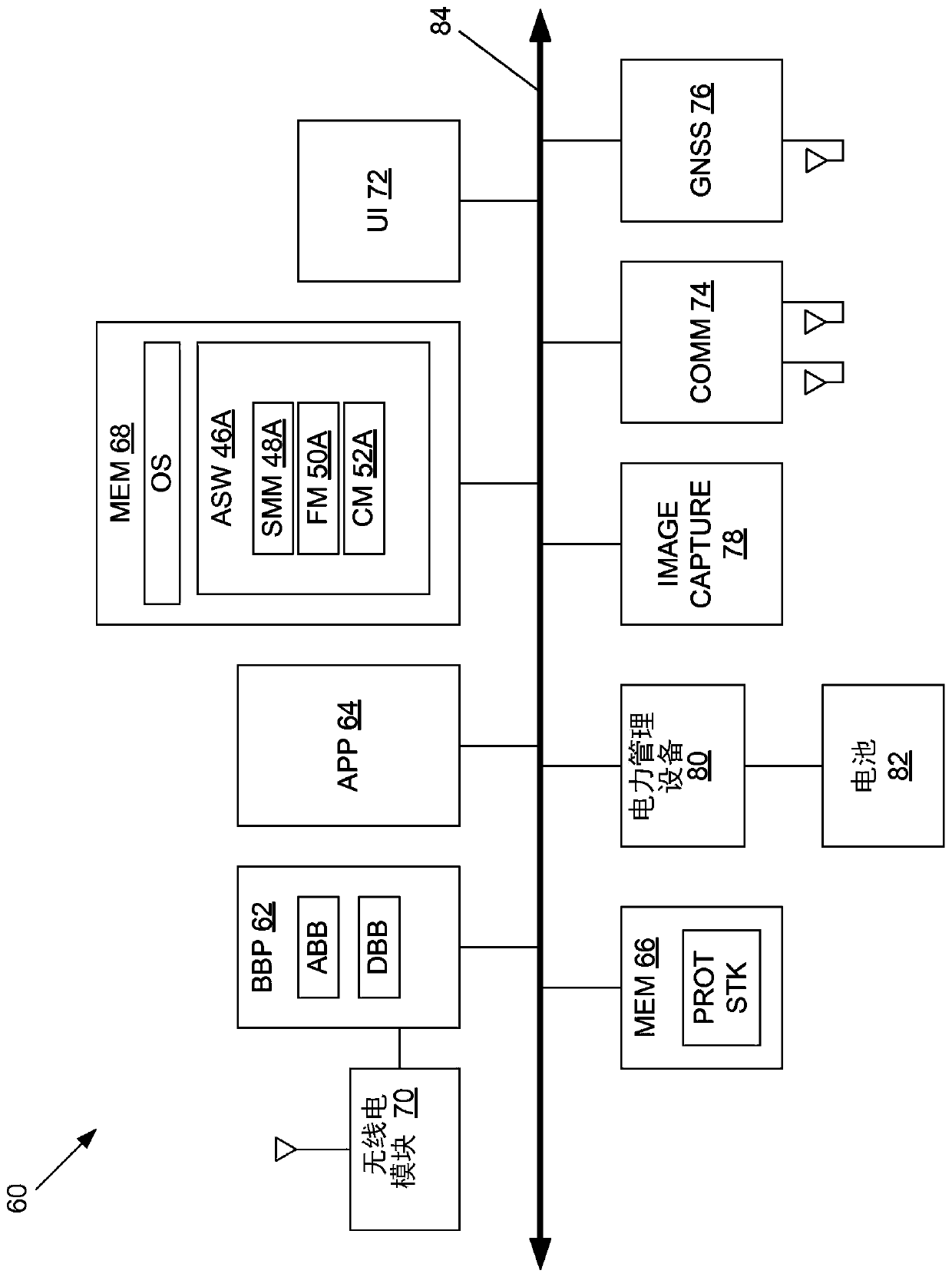
  • Figure 3
    Figure 3
Patent Text Reader

Abstract

In one embodiment, an apparatus is presented that receives a driving style of a driver, senses a parameter or parameters of a driver and / or at least one passenger within a vehicle, correlates the parameter(s) to the driving style, and triggers feedback to the driver of the correlated parameter(s) of the at least one passenger or to the passenger of the correlated parameters parameter(s) of the driver. The invention provides, among other features, a mechanism to increase positive interactions between the driver and the passenger(s) and to decrease or avoid negative interactions, which leads to a safer use of the vehicle based on the correlations between measured health / well-being data and driving style or behavior.
Need to check novelty before this filing date? Find Prior Art

Description

[0001] Cross References to Related Applications

[0002] This application claims the benefit of and priority to U.S. Provisional Application Serial No. 62 / 457433, filed February 10, 2017, which is hereby incorporated by reference in its entirety. technical field

[0003] The present invention relates generally to vehicle safety, and more particularly to managing vehicle occupant interactions within a vehicle or between multiple vehicles to facilitate safety. Background technique

[0004] Often, the driver and passenger have little awareness of what the other is experiencing or of the other's health. Viewing another person for extended periods of time may be uncomfortable, or such viewing may be at least partially obstructed, due to the positioning of the car seat. Also, during long drives, the driver or passenger's attention may be elsewhere. Additionally, the passengers may or may not interact positively with each other or with the driver of the vehicle. Where the behavi...

Examples

Embodiment Construction

[0025] Disclosed herein are certain embodiments of a vehicle occupant interaction system that can improve vehicle safety by increasing the interaction between the vehicle driver (i.e., the human occupant of the vehicle who controls the vehicle's navigation) and one or more Positive interactions among occupants in a vehicle, and / or reducing or avoiding negative interactions, thereby making it possible to use the vehicle more safely. In one embodiment of the vehicle occupant interaction system, the device includes memory and one or more processors that monitor the health and / or well-being of the driver and / or passenger and the driver's driving style. Such monitoring may be performed by one or more sensors embedded in (or externally attached to) the vehicle structure, one or more sensors attached to the occupant's wearable device(s), the occupant's mobile device One or more of the sensors or any combination thereof. The device correlates driving style with health parameter(s) an...