Conditional utilization of private short-range wireless networks for service provision and mobility

a short-range wireless network and private technology, applied in the field of system for providing resources to wireless communication devices, can solve the problems of inability to meet the needs of all data applications, inability to meet the needs of long-range wireless support, and inability to work indoors

US20080008140A1Active Publication Date: 2008-01-10NOKIA TECHNOLOGLES OY
21 Cites 90 Cited by

Patent Information

Authority / Receiving Office
US · United States
Patent Type
Applications(United States)
Current Assignee / Owner
Publication Date
2008-01-10

Smart Images

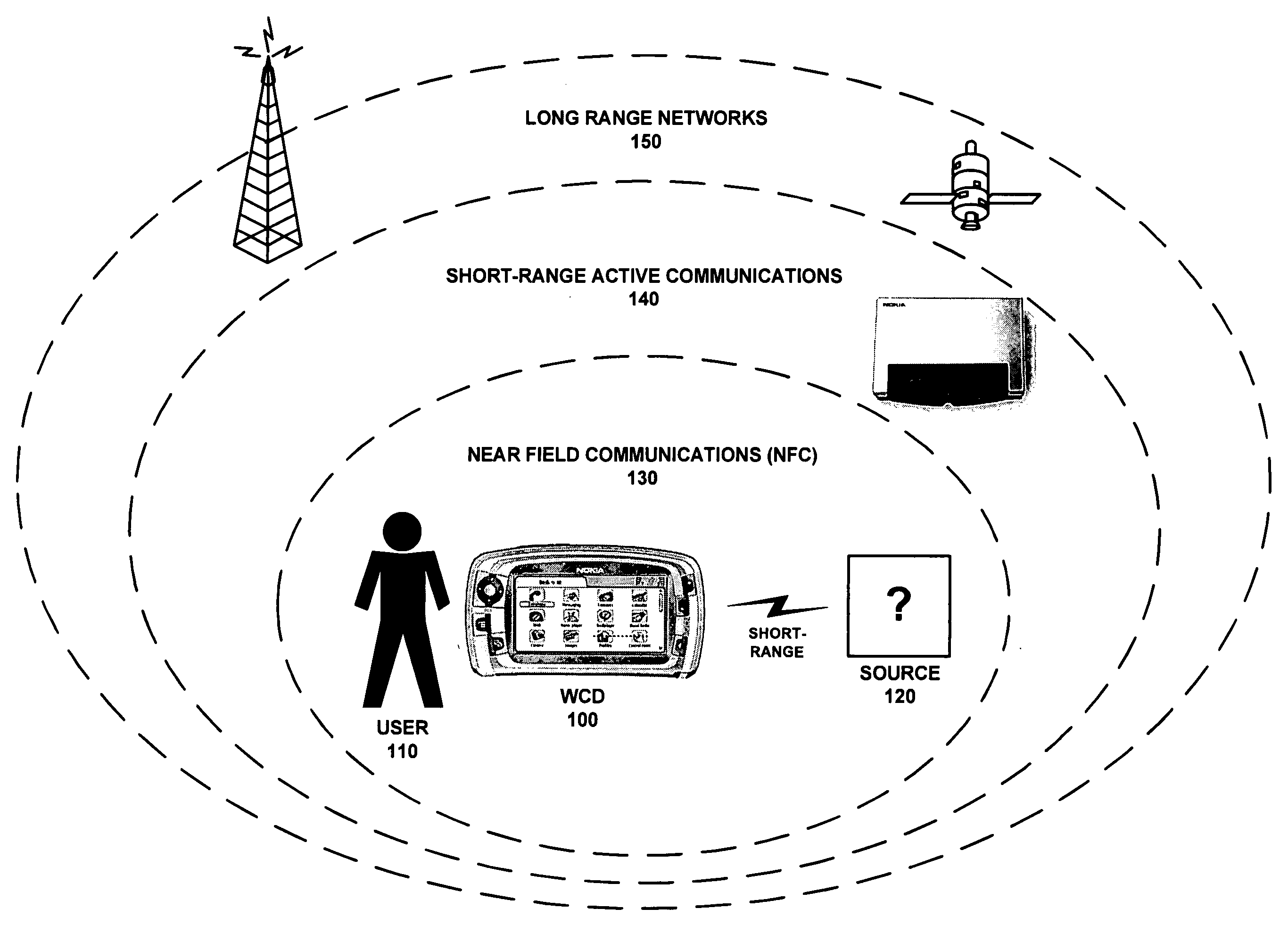
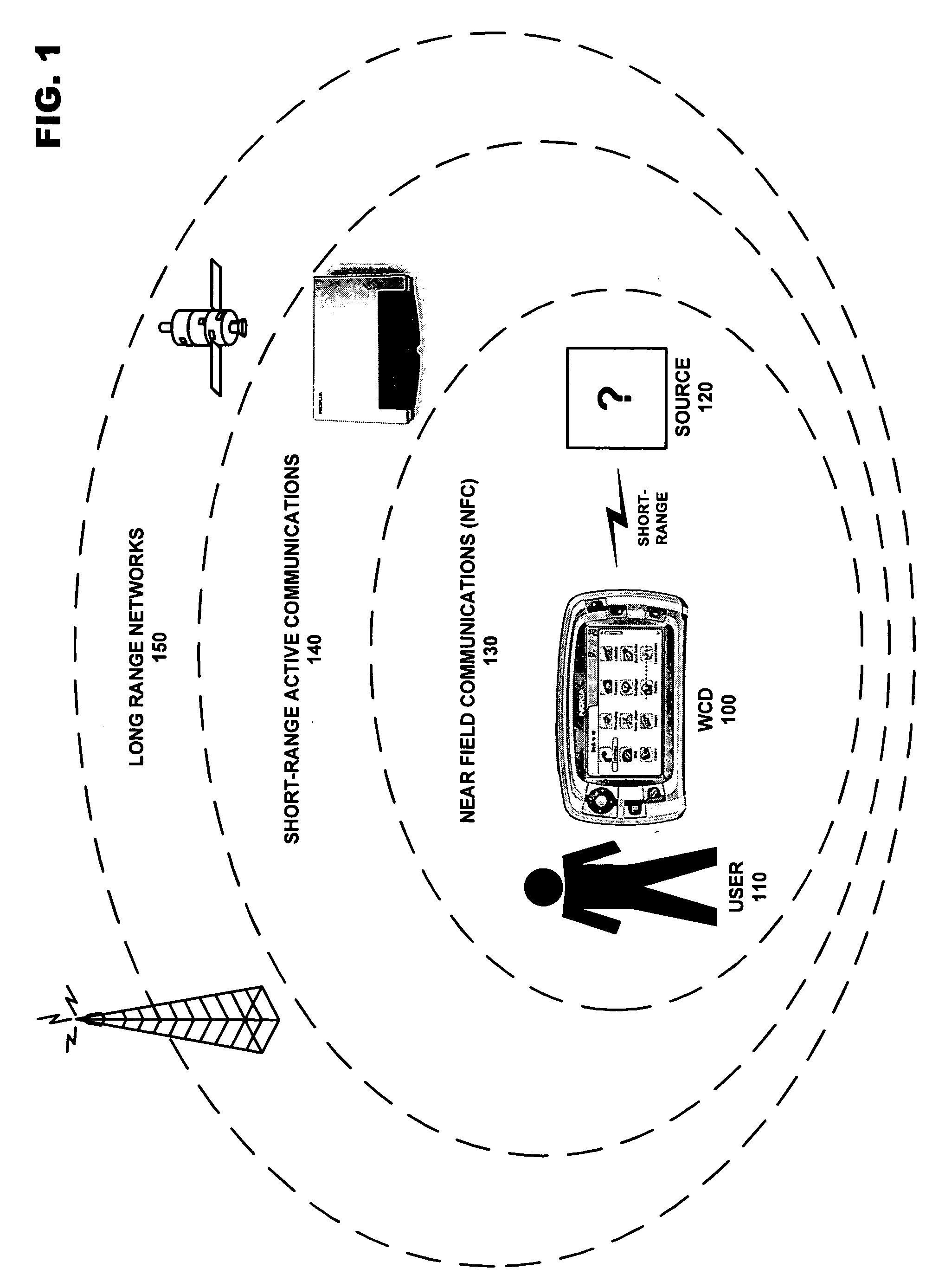
  • Figure 1
    Figure 1
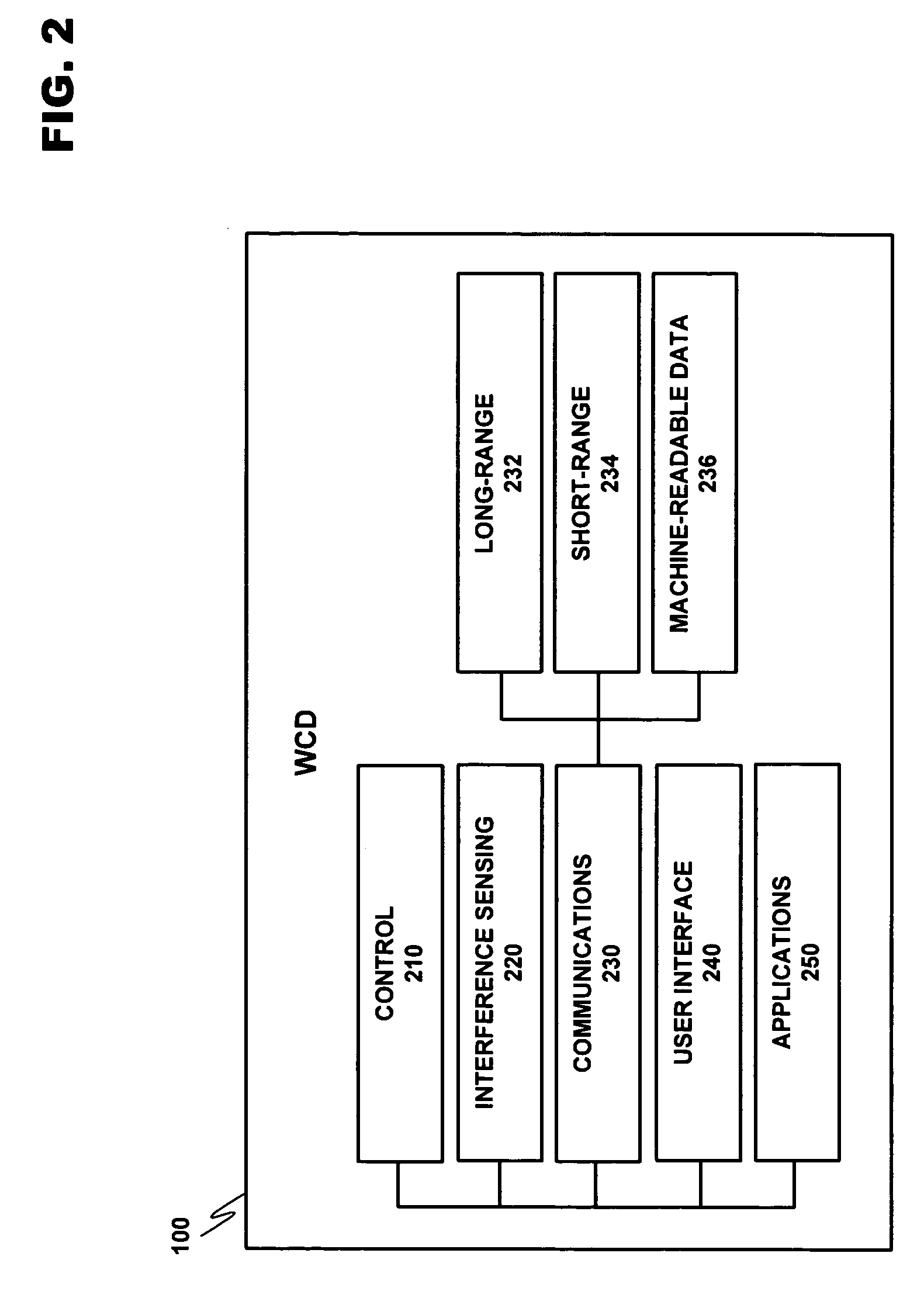
  • Figure 2
    Figure 2
  • Figure 3
    Figure 3
Patent Text Reader

Abstract

A system for managing the integration of a private short-range wireless network into a service / mobility domain. The private short-range wireless network may be converted into a semi-private short range wireless network by managing access to the network in accordance with rules defined by a home user. These rules allow a home user to define how visitors will be granted access to the semi-private short-range network when the user is at home or away. Restricted access may be enforced when the home user is present, and security measures may force the semi-private short-range wireless network to enter a safe mode when a condition is met.
Need to check novelty before this filing date? Find Prior Art

Description

BACKGROUND OF THE INVENTION

[0001] 1. Field of Invention

[0002] The present invention relates to a system for providing resources to wireless communication devices, and more specifically to a system for controlling the admission policies of a registered short-range private wireless network in view of predetermined operational modes in order to create a semi-private access point enabled to conditionally admit visitor devices.

[0003] 2. Description of Prior Art

[0004] Modern society has quickly adopted, and become reliant upon, handheld devices for wireless communication. For example, cellular telephones continue to proliferate in the global marketplace due to technological improvements in both the quality of the communication and the functionality of the devices. These wireless communication devices (WCDs) have become commonplace for both personal and business use, allowing users to transmit and receive voice, text and graphical data from a multitude of geographic locations. The communicatio...

Examples

Embodiment Construction

[0030]While the invention has been described in preferred embodiments, various changes can be made therein without departing from the spirit and scope of the invention, as described in the appended claims.

I. Wireless Communication Over Different Communication Networks.

[0031]A WCD may both transmit and receive information over a wide array of wireless communication networks, each with different advantages regarding speed, range, quality (error correction), security (encoding), etc. These characteristics will dictate the amount of information that may be transferred to a receiving device, and the duration of the information transfer. FIG. 1 includes a diagram of a WCD and how it interacts with various types of wireless networks.

[0032]In the example pictured in FIG. 1, user 110 possesses WCD 100. This device may be anything from a basic cellular handset to a more complex device such as a wirelessly enabled palmtop or laptop computer. Near Field Communications (NFC) 130 include various ...