
Digit gauge for noninvasive optical sensor
a technology of optical sensors and digit gauges, applied in the field of medical sensors, can solve the problems that care givers may not be sure which type of sensors are appropriate, and achieve the effect of not involving the risk of loss of the sizing devi
- Summary
- Abstract
- Description
- Claims
- Application Information
AI Technical Summary
Benefits of technology
Problems solved by technology
Method used
Image

Examples
Embodiment Construction
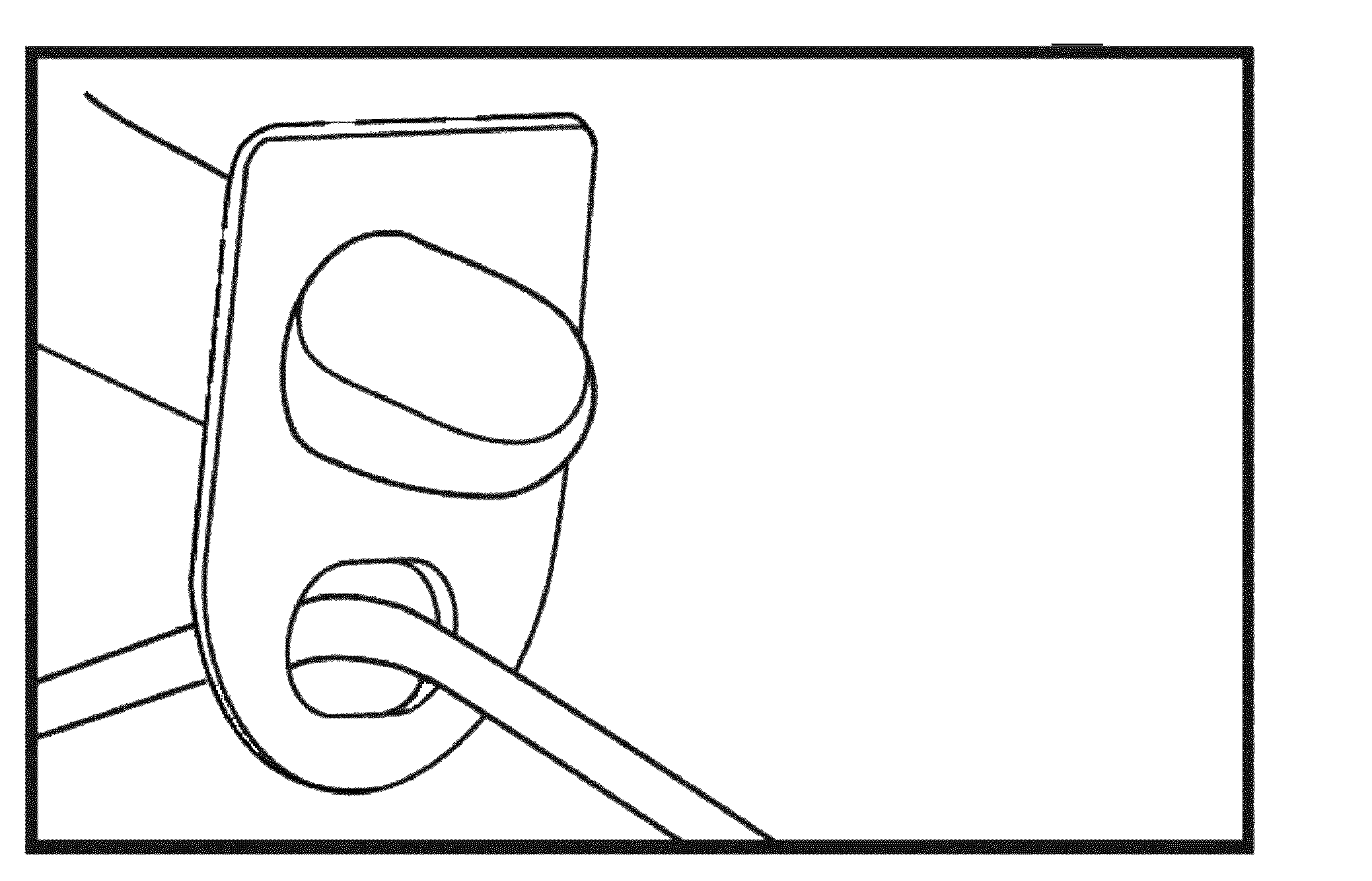
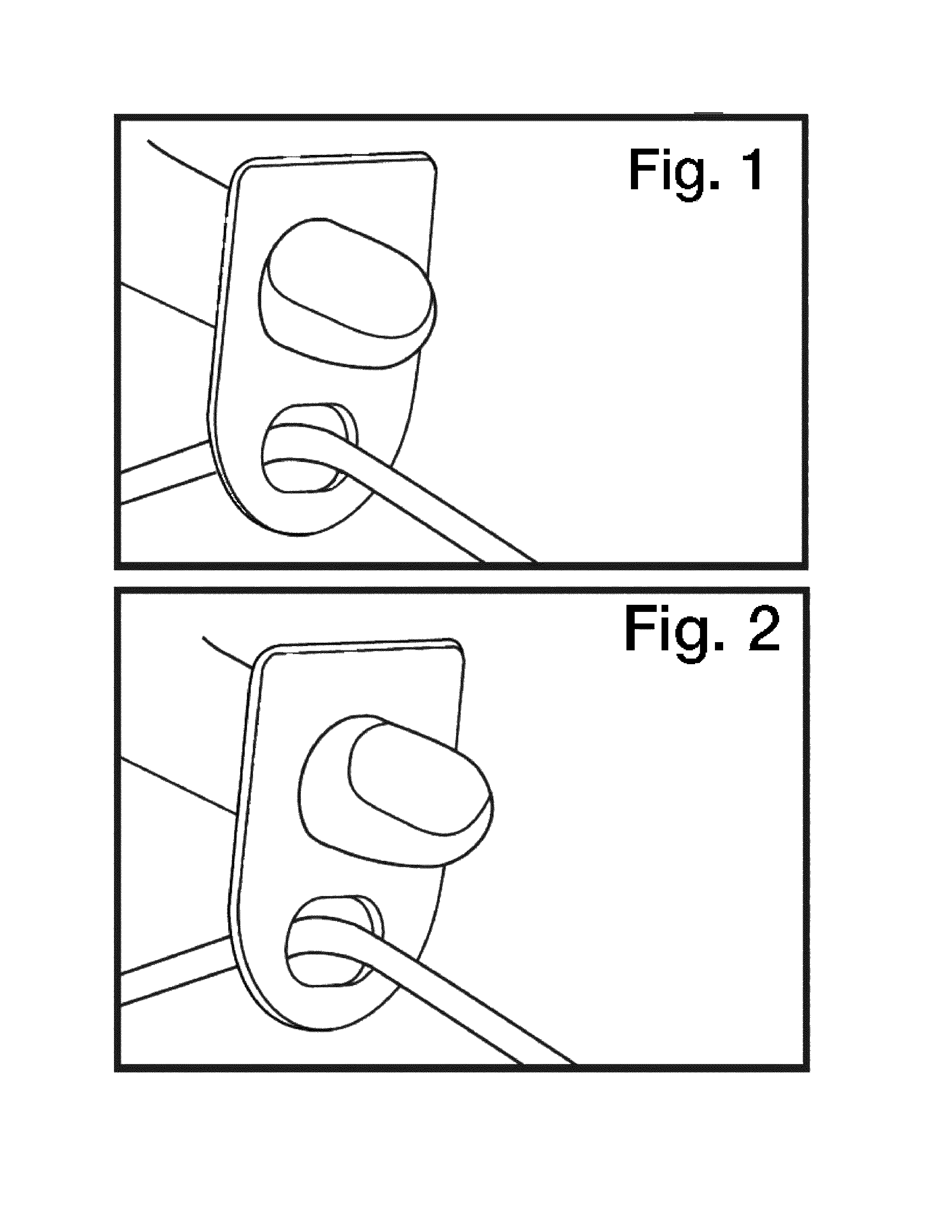
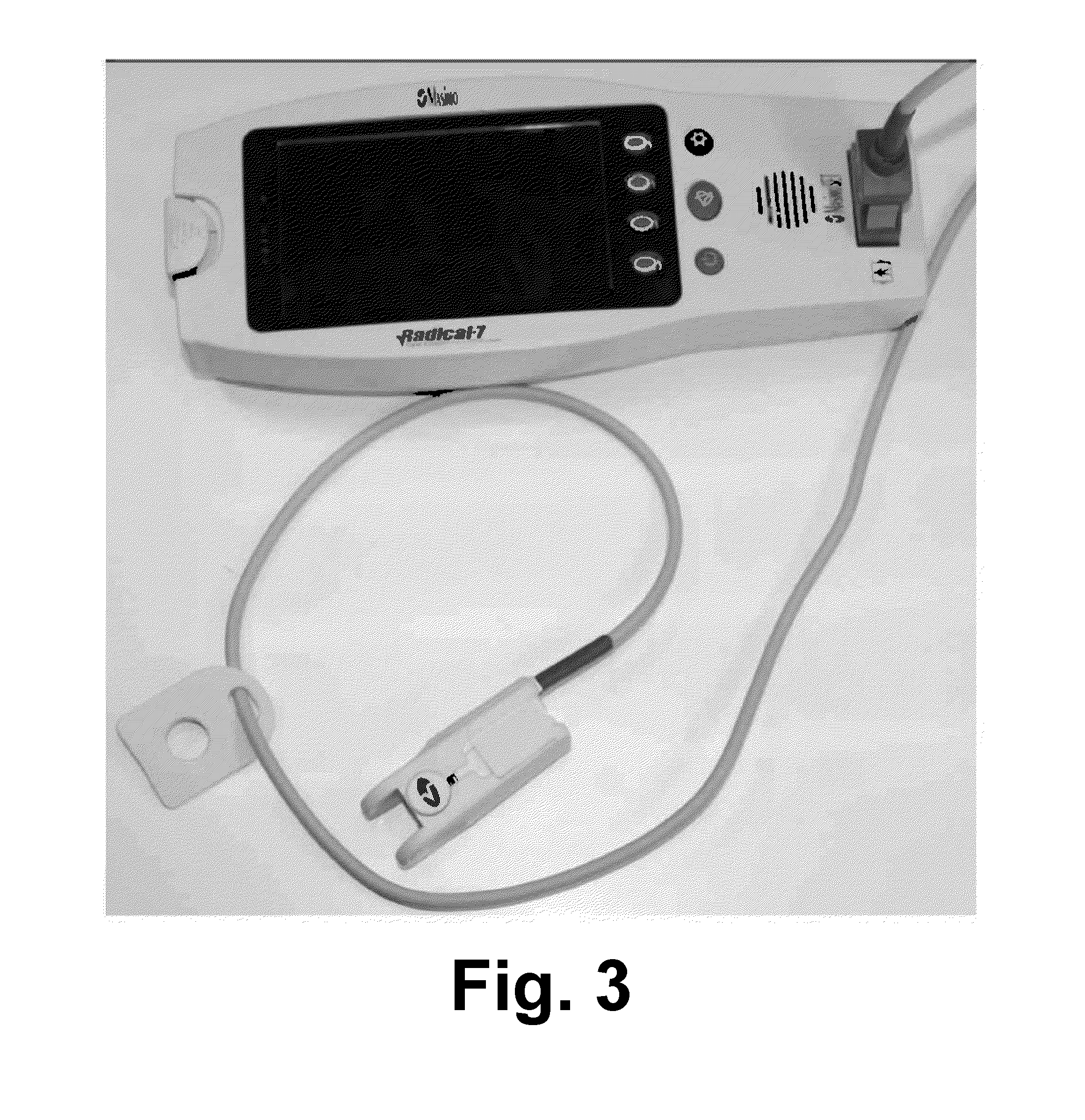
[0015]Embodiments of the present disclosure include a digit gauge associated with an optical sensor of a patient monitoring system. In an embodiment, the monitoring instrument is configured to accept different sensors where some sensors are specifically designed for different cross-sectional sizes of patient tissue. For example, sensor often are available in adult, slender adult, pediatric, neonatal and the like. In some cases, the instrument may provide less accurate measurements when an attached sensor is placed on a mismatched patient's digit. Accordingly, embodiments of the digit gauge advantageously provide a quick, straightforward measurement to determine whether the sensor matches the patient's digit size. In an embodiment, an opening is sized to accept a patient's digit to indicate whether the digit matches the associated sensor. For example, in an embodiment, the digit gauge includes a tab with a substantially circular or circular opening. In various embodiments, how the di...
PUM
 Login to View More
 Abstract
Description
Claims
Application Information
 Login to View More