
Collagen and squalane composition, preparations thereof, and preparation methods and applications of composition and preparations
A technology of collagen and squalane, which is applied in application, food preparation, drug combination, etc., can solve problems affecting patch whitening, moisturizing, anti-wrinkle and repair, low transdermal absorption rate and transdermal absorption rate, and difficult Through the skin and other problems, to achieve the effect of improving bioavailability, reducing dosage, and increasing transdermal penetration rate
Patent Information
- Authority / Receiving Office
- CN · China
- Current Assignee / Owner
- Publication Date
- 2013-05-01
Smart Images
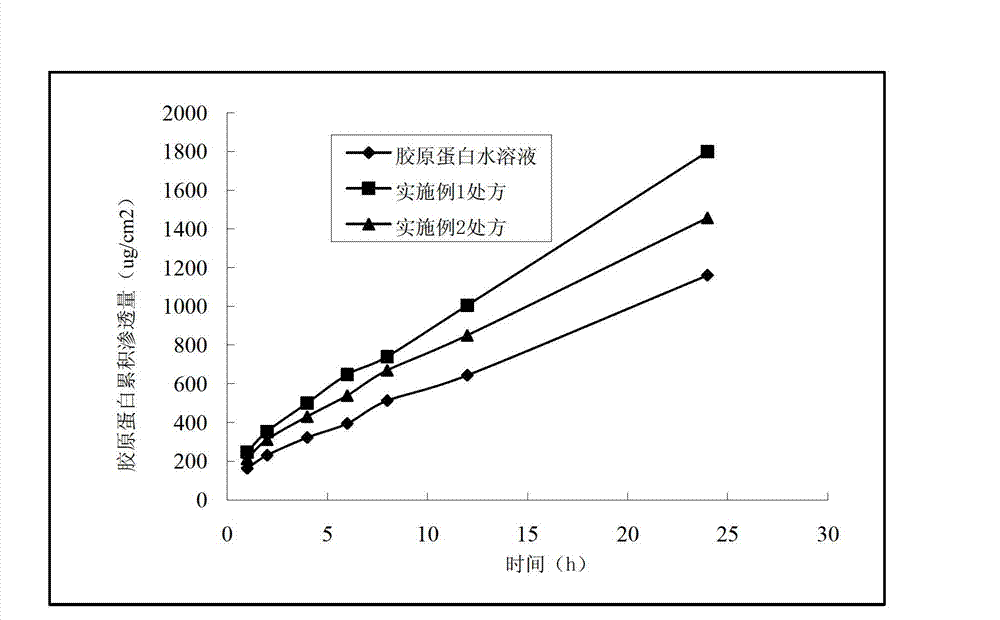
Figure 1 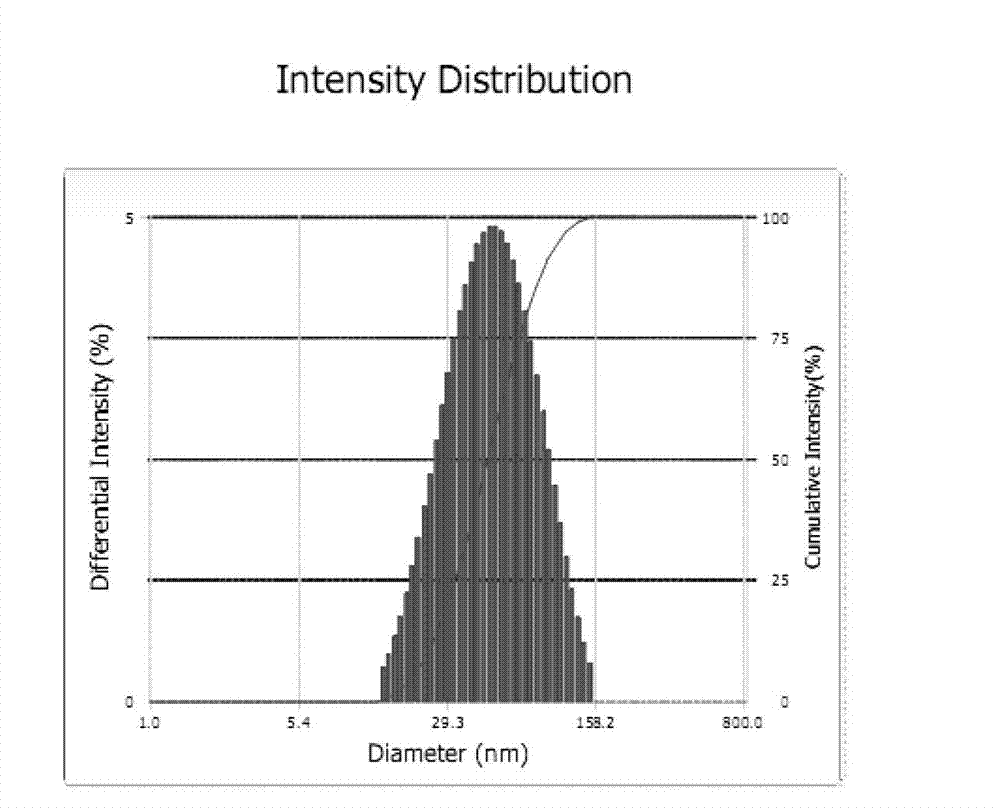
Figure 2 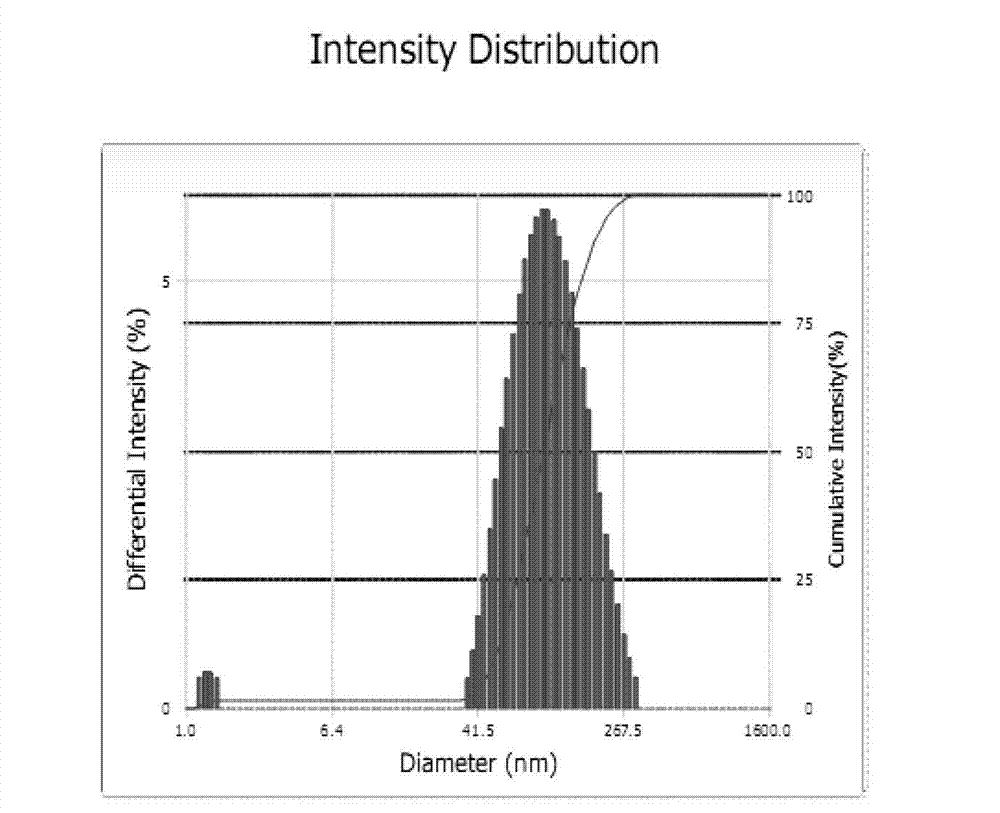
Figure 3
Abstract
Description
technical field
[0001] The invention relates to the technical field of medical products, in particular to a collagen squalane composition and its preparation, its preparation method and application. Background technique
[0002] Acne is a common chronic hair follicle and sebaceous gland inflammatory skin disease in adolescence. According to the survey, the incidence rate of acne among teenagers aged 12 to 25 is as high as 85%, and it mostly occurs on the face, and acne and its wounds are easy to form pigmentation after healing, which affects people's appearance. Studies have found that the main pathogenic factors of acne include skin allergies, excessive sebum production, hyperkeratosis of hair follicle orifice epithelium, and proliferation of Propionibacterium acnes in hair follicles. In addition, heredity, psychological factors, endocrine disorders, lipopolysaccharides, stimulating diet, high temperature and certain chemical factors may also cause acne.
[0003] Skin all...
Examples
Embodiment 1-9
[0059] Examples 1-9 Preparation of Collagen Squalane Emulsion and Study on Transdermal Penetration Rate
[0060] The composition of the collagen squalane emulsion in Examples 1-9 is shown in Table 1.
[0061] Table 1
[0062]
[0063] The preparation method of collagen squalane emulsion in embodiment 1-9 may further comprise the steps:
[0064] 1) According to Table 1, weigh or measure the amount of squalane and its surfactants described in Examples 1-9 respectively, put them together, stir evenly, add an appropriate amount of distilled water, and use a high-speed homogenizer to Stir, 10000 rpm, until squalane emulsion is formed;
[0065] 2) According to Table 1, weigh or measure the collagen of the composition amount described in Examples 1-9, respectively add them to the squalane emulsion prepared in step 1), and adjust the pH to 0.1% acetic acid solution to 4.0-7.5, add an appropriate amount of distilled water, set the volume to 100ml, and mix evenly to prepare a c...
Embodiment 10-18
[0081] Examples 10-18 Preparation of Collagen Squalane Dressing Patches
[0082] The collagen squalane emulsions prepared in Examples 1-9 were prepared into collagen squalane dressings according to the following preparation methods.
[0083] The preparation method of embodiment 10-18 collagen squalane dressing patch, comprises the following steps:
[0084] 1) Fold the non-woven fabric, put it into an aluminum foil bag, add 20ml of the collagen squalane microemulsion prepared in any one of the examples 1-9 to each aluminum foil bag, number, seal;
[0085] 2) with Co 60 Irradiated at 15-25Kgy / h for 3h-5h to sterilize.
Embodiment 19
[0086] Example 19 Study on Particle Size of Collagen Squalane Emulsion
[0087] Adopt laser particle size analyzer (Delsa Nano C particle Analyzer, Beckman Co μlter), measure the particle size distribution of embodiment 1-2 collagen squalane emulsion, the results are shown in Figure 2-Figure 3 .
[0088] Wherein the test condition and result of embodiment 1 are as follows:
[0089] Temperature: 24.8°C
[0090] Thinner: water
[0091] Refractive index: 1.3328
[0092] Viscosity: 0.8919
[0093] Scattering intensity: 9736(cP)
[0094] The particle size-intensity distribution table of table 4 embodiment 1
[0095]
[0096]
[0097] It can be seen from the statistics in the above table that D (10%): 51.90 (nm) D (50%): 95.80 (nm) D (90%): 180.60 (nm).
[0098] The test condition and result of embodiment 2 are as follows:
[0099] Temperature: 0.1°C;
[0100] Thinner: water;
[0101] Refractive index: 1.3345;
[0102] Viscosity: 1.7831;
[0103] Scattering inte...