
Method for spraying silicone rubber paint layer on engine shell
A technology for engine casings and silicone rubber, which is applied to coatings, devices for coating liquid on the surface, spraying devices, etc., and can solve problems such as low coating efficiency and poor coating quality stability
Patent Information
- Authority / Receiving Office
- CN · China
- Patent Type
- Applications(China)
- Current Assignee / Owner
- Publication Date
- 2014-02-05
Smart Images
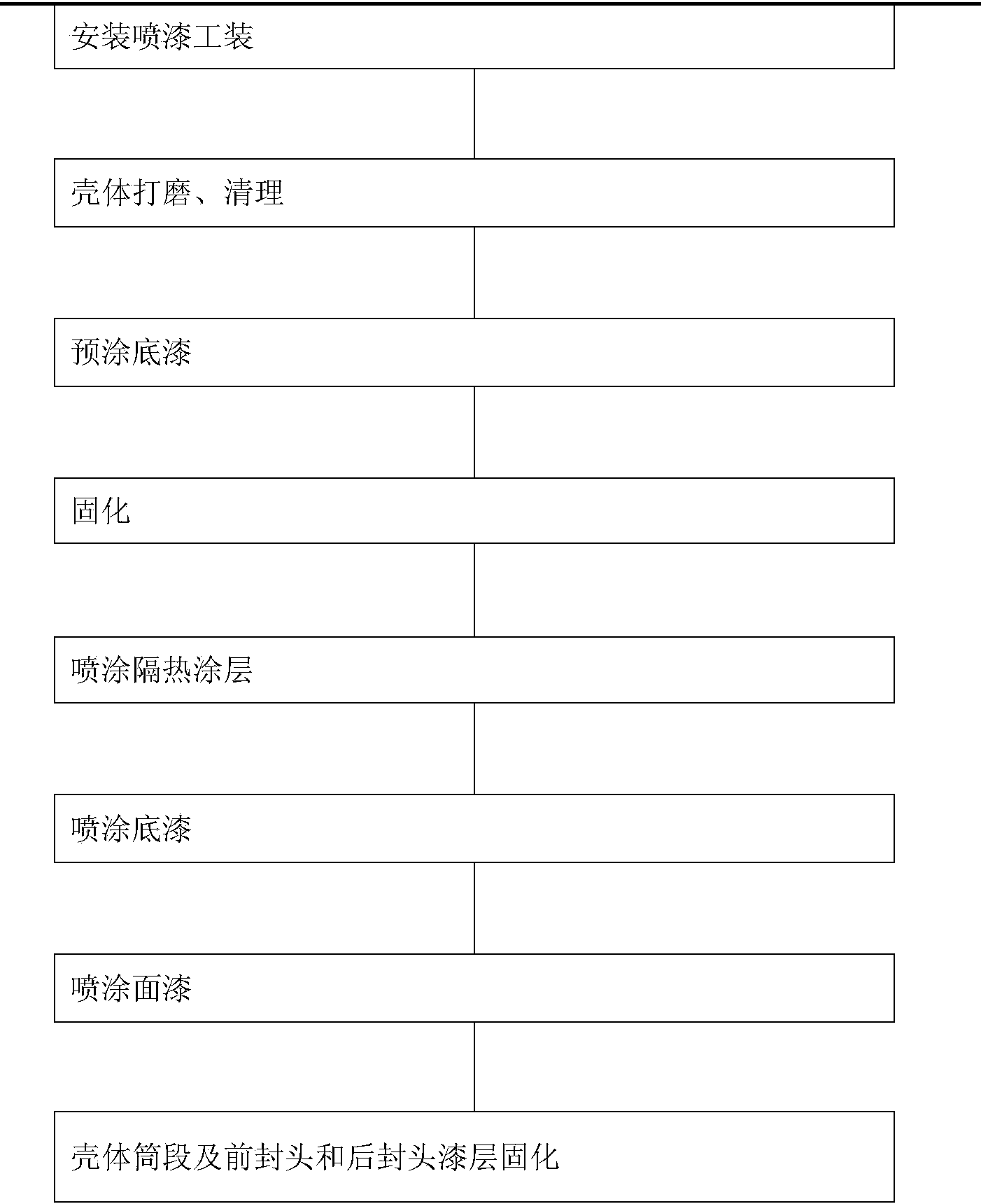
Figure 1 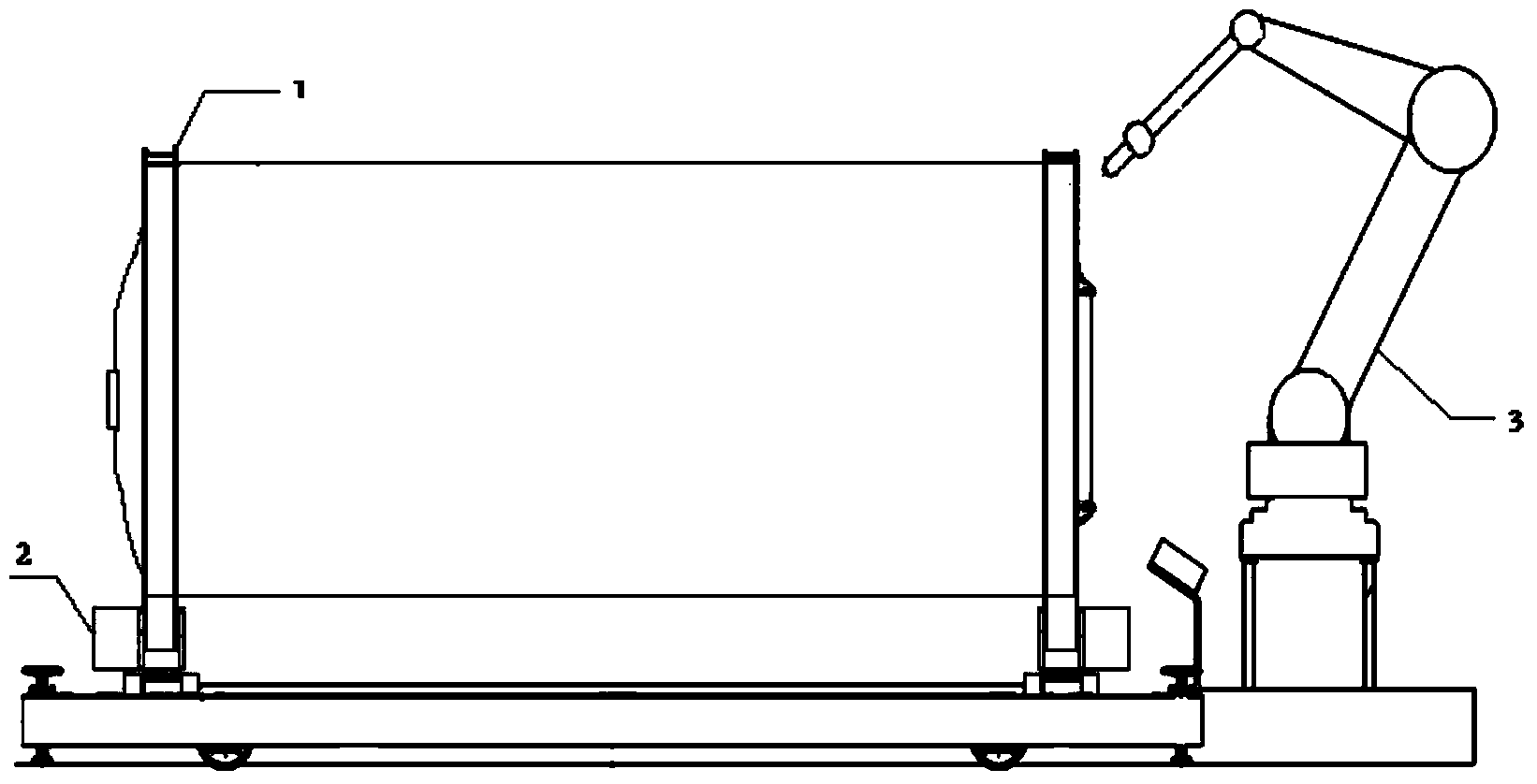
Figure 2 
Figure 3
Abstract
Description
technical field
[0001] The invention relates to the technical field of spraying, in particular to a method for spraying a silicone rubber paint layer on the surface of an engine. Background technique
[0002] During the flight of the missile in the atmosphere, the working environment is very harsh, and the engine has to withstand the erosion of high heat flux and high aerodynamic heat. In such a harsh thermal environment, the engine composite material shell must be protected from external heat; during the high-speed flight of the missile in the atmosphere, friction with the air will generate static electricity, and the engine propellant is susceptible to static electricity, so anti-static measures must be taken. In order to ensure the successful flight of the missile, Xi'an Aerospace Chemical Power Plant developed a heat-resistant and anti-static silicone rubber paint layer, which was disclosed in the invention patent application document with the application number 20101005...
Examples
Embodiment Construction
[0082] This embodiment is a method for spraying an engine casing with a diameter of 2000 mm. The geometric structure of the outer surface of the casing is mainly composed of a cylindrical straight cylinder surface and an ellipsoidal head with two central openings. The specific process is:
[0083] Step 1: Install the painting tooling. During installation, the engine casing is hoisted on the paint-spraying turning car 2, and the painting tooling 1 is installed on the skirt end faces of the two ends of the engine casing, and the described painting tooling is positioned in the roller groove of the turning car; the painting tooling and the roller groove There is no interference between the groove walls. The painting tooling and turning car are the same as the tooling and turning car used when spraying the engine casing in the prior art.
[0084] Step 2: Shell grinding and cleaning. Use 120-grit sandpaper to polish the front and rear heads along the fiber direction; use 80-grit ...