
Formaldehyde quick detection reagent, preparation method and application thereof
A technology for detecting reagents and formaldehyde, which is applied in the field of analytical chemistry, can solve the problems of low sensitivity and slow response, and achieve the effects of high sensitivity, fast response and convenient processing
Patent Information
- Authority / Receiving Office
- CN · China
- Current Assignee / Owner
- Publication Date
- 2015-02-04
- Estimated Expiration
- Not applicable · inactive patent
Smart Images
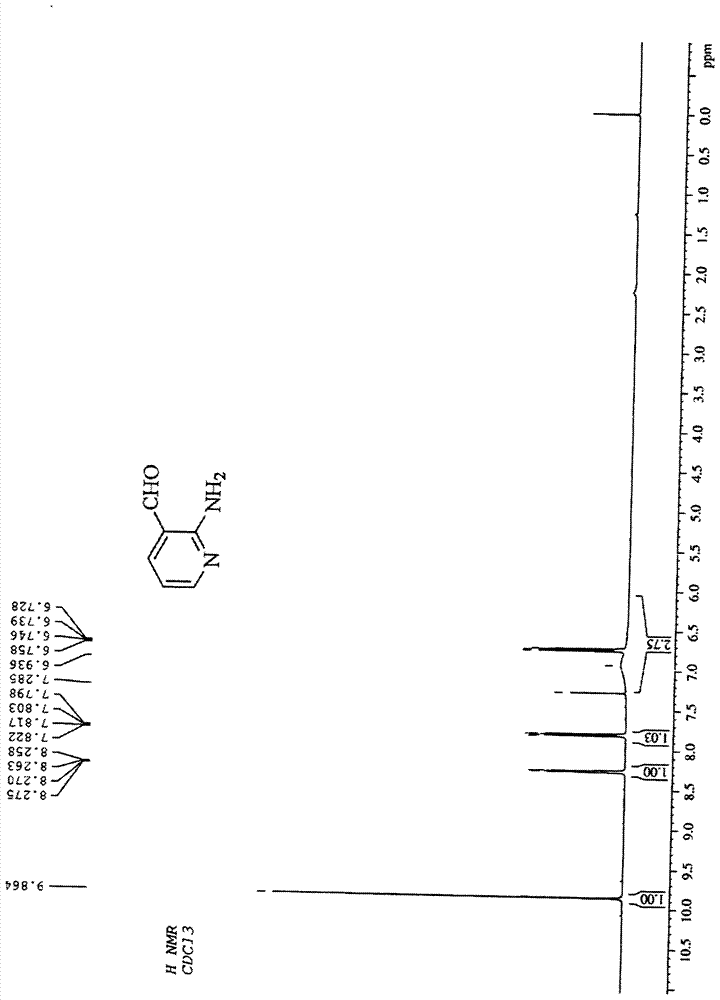
Figure 1 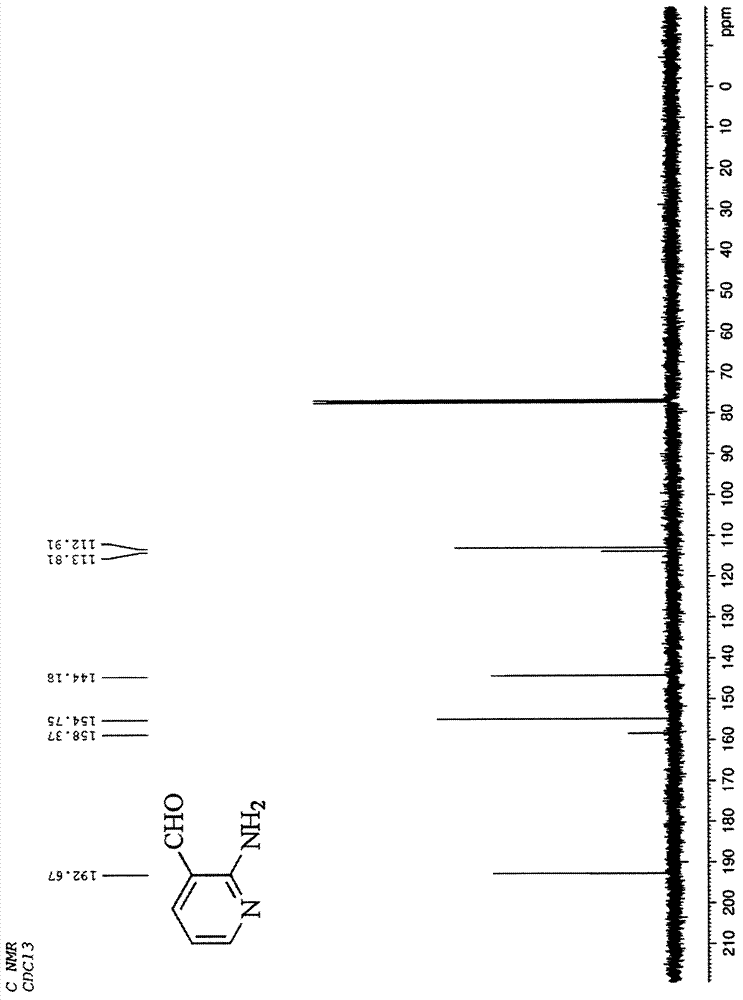
Figure 2 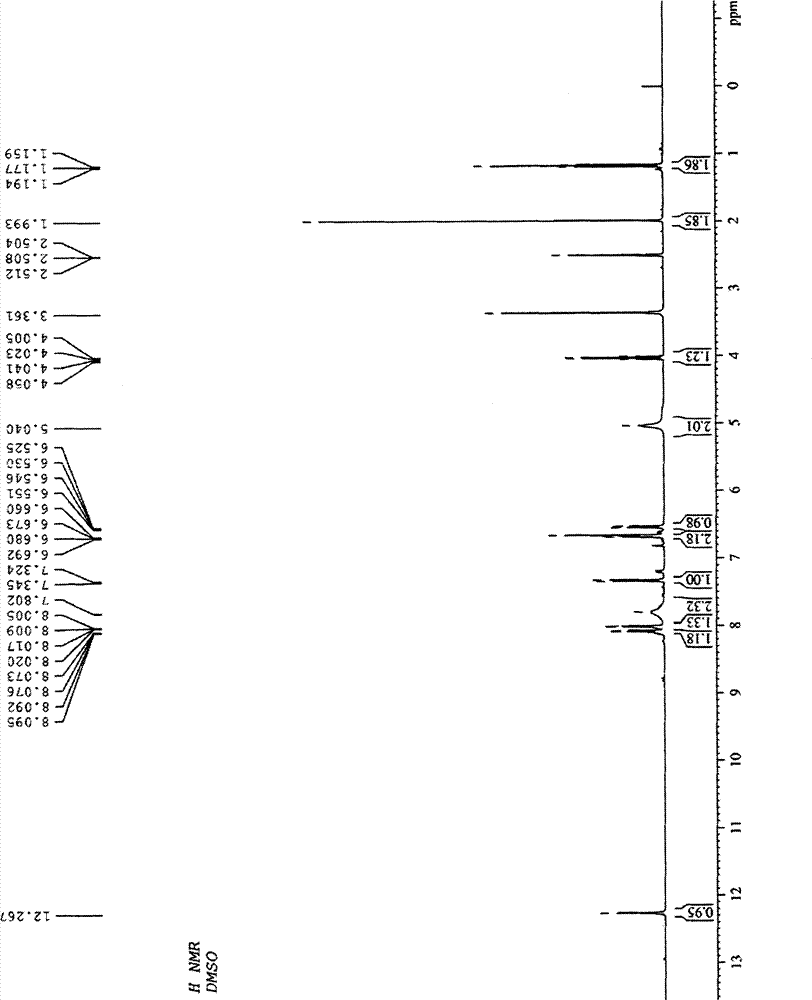
Figure 3
Abstract
Description
technical field
[0001] The invention belongs to the technical field of analytical chemistry, in particular to a formaldehyde detection reagent and its preparation method and application, in particular to a formaldehyde rapid detection reagent and its preparation method and application. Background technique
[0002] Formaldehyde is an important organic raw material, mainly used in the plastic industry (such as phenolic resin, urea-formaldehyde plastic-dianyu), synthetic fiber (such as synthetic vinylon-polyvinyl formal), leather industry, medicine, dyes, etc. In the production and processing of textiles, formaldehyde-containing N-methylol compounds are used as resin finishing agents, which can increase the elasticity of fabrics and improve wrinkle resistance, and use formaldehyde-containing cationic resins to improve color fastness, but these are likely to cause formaldehyde in textiles. residual problem. Formaldehyde can also be directly used as disinfection, sterilization,...
Examples
Embodiment 1
[0033] Embodiment 1: the preparation of compound of the present invention
[0034] The compound of the present invention adopts following synthetic route:
[0035]
[0036] 1) Synthesis of 2-(3-pyridine)pyrido[2,3-d]pyrimidine
[0037] Weigh nicotinamide (9.12g, 0.075mol) and ammonium sulfamate (13.07g, 0.113mol) into a 50mL three-neck flask, heat the oil bath to 150°C, and then slowly increase the temperature to 200°C, The reaction was maintained at this temperature for 6 hours, then until the reaction liquid solidified completely. After the reaction is solidified, stop heating, and after cooling to room temperature, add an appropriate amount of water, then filter with suction, rinse the filter cake with water several times, wash with ether, and dry in vacuo to obtain the product 2-(3-pyridyl)pyrido[2 , 3-d] pyrimidine.
[0038] 2) Synthesis of 2-amino-3-pyridinecarbaldehyde
[0039] Prepare 2mol / L HCl solution. The dried sample was transferred to a 50 mL single-necke...
Embodiment 2
[0044] Embodiment 2: the experiment that the compound of the present invention detects formaldehyde
[0045] The aqueous solution of the compound prepared by the present invention is a colorless, transparent, non-luminescent solution, which emits strong blue fluorescence after detecting formaldehyde, such as Figure 5 It is shown that the compounds of the present invention have obvious changes before and after exposure to formaldehyde under the irradiation of 365nm hand-held ultraviolet light. Such as Figure 6 The aqueous solution of the compound of the present invention shown (the concentration of compound is 1.0 * 10 -5 M, water: ethanol = 99: 1) shows a good linear relationship between the maximum fluorescence intensity at 505 nm and the formaldehyde concentration under 400 nm light. According to this relationship diagram, the concentration of formaldehyde can be deduced from the maximum fluorescence intensity at 505nm. Figure 7 For the compound of the present inventio...