
Hydrazino-alcohol amine salts compound and preparation method and application thereof
A hydrazinol amine salt compound and compound technology, applied in the field of hydrazinol amine salt compounds and their preparation and application, can solve the problem of affecting the strength performance and thermal insulation properties of foaming materials, uneven cell size, and cell distribution Uneven etc.
Patent Information
- Authority / Receiving Office
- CN · China
- Patent Type
- Applications(China)
- Current Assignee / Owner
- Publication Date
- 2017-10-17
Smart Images
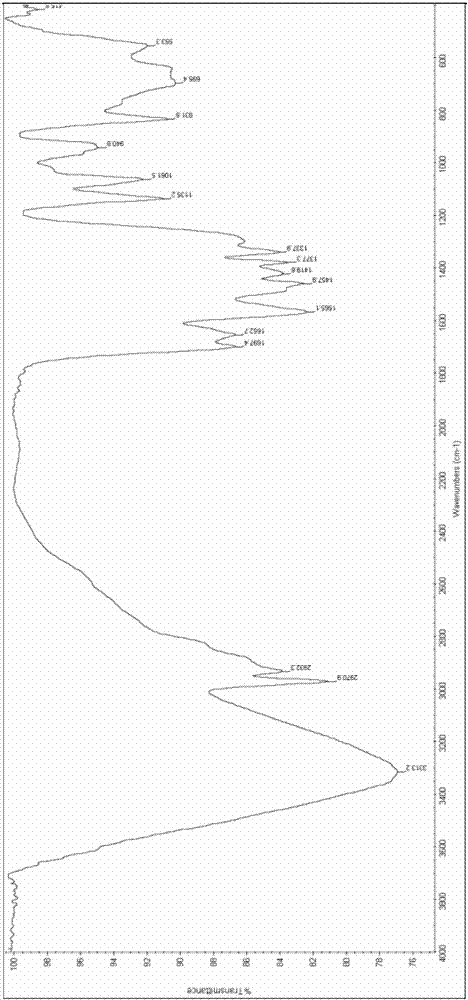
Figure 1 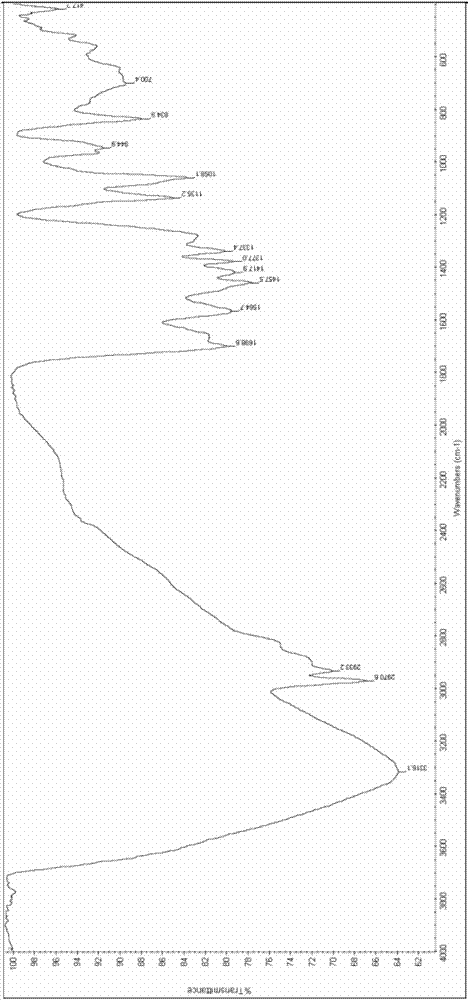
Figure 2 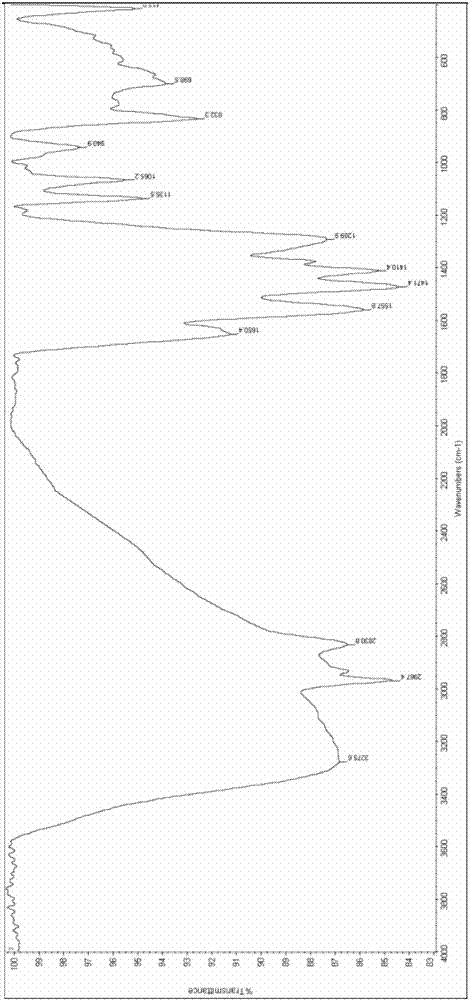
Figure 3
Abstract
Description
Technical field
[0001] The invention relates to an alcoholamine salt compound with a hydrazine group, a preparation method thereof, and application as a foaming agent in foaming materials such as polyurethane foam or PVC foaming material or polystyrene foaming. technical background
[0002] As a new polymer material, polyurethane rigid foam has light weight, high strength and extremely low thermal conductivity. It is a high-quality thermal insulation material and is widely used in cold storage and insulation, especially in chemical weapons, building energy conservation, solar energy, Home appliances such as automobiles, refrigerators and freezers. The most important raw material in the production of rigid polyurethane foam is foaming agent. At present, these blowing agents are all chlorofluorocarbon substances except cyclopentane. Because of their damage to the atmospheric ozone layer, governments have already signed the "Montreal Protocol" international convention to restrict, ...
Examples
Embodiment A-1
[0285] Add 1.4 tons of ammonium carbamate (molecular weight 78.07), 0.7 tons of ethylene glycol, and 0.9 tons of water into a stainless steel autoclave with a cooling water jacket (referred to as reactor in the other examples below), Start the stirrer to make the ammonium carbamate slowly dissolve (not necessarily completely dissolved), purge the reactor with nitrogen, then close the reactor and start stirring, and pass a total of 1.7 tons of propylene oxide (molecular weight 58.08, boiling point 34°C) , Control the feeding rate of propylene oxide so that the pressure in the reactor is not higher than 0.6MPa, slowly increase the temperature under constant stirring, and control the temperature below 70℃ to react for 15 hours. After the reaction is completed, slowly reduce the temperature to 50℃ Control the vacuum degree below 600 mmHg (preferably below 500 mmHg) to slowly remove unnecessary water (for example, reaching a water content of less than 20wt%) and unreacted propylene o...
Embodiment A-2
[0290] Add 1.4 tons of ammonium carbamate, 0.7 tons of ethylene glycol, and 0.9 tons of water into a stainless steel reactor with a cooling jacket, start stirring, so that the ammonium carbamate is slowly dissolved (not necessarily completely dissolved), and the reaction After the system is treated and protected by nitrogen, it is heated and raised. The temperature is controlled at 45-70℃, and the pressure is controlled not to exceed 0.6MPa. Then, a total of 1.3 tons of ethylene oxide (molecular weight 44.05) is slowly added in batches. The temperature is 45-70℃, the pressure is below 0.6MPa, and the reaction is stirred for 5 hours, then the temperature is reduced to 50℃, and unnecessary water (for example, water content less than 30wt%) and unreacted epoxy are removed under reduced pressure at 600mHg Ethane, the product is released after the temperature is lowered to below 40°C to obtain compound A-2. The viscosity is about 250, pH=9, and the decomposition temperature of compo...
Embodiment A-3
[0291] Example A-3 (preferred in the present invention)
[0292] Add 1kg of ammonium carbamate and 1kg of water into the reactor, dissolve under stirring (allowing the presence of insoluble ammonium carbamate), purge the reactor with nitrogen, and then add 2kg of propylene oxide to the transparent quartz glass In the reactor, start the stirring, and slowly raise the temperature under constant stirring. The temperature is controlled between 50-60℃ and the pressure is not higher than 0.6MPa. The reaction is carried out. When the reaction is carried out for about 2 hours, a strange phenomenon suddenly appears : The turbid and opaque mixture instantly turns into a transparent or clear solution. Continue to react for 8 hours, then cool to 50°C, remove unnecessary water and unreacted propylene oxide under a vacuum of 600 mmHg, and cool to 40 The product is released after the temperature is below. The reaction time ensures that the reaction is completed according to the molar ratio. C...