
Carbon-based organic-inorganic compound fertilizer specially used for navel oranges as well as preparation method and application thereof
A technology of compound fertilizer and organic fertilizer, which is applied in the field of special carbon-based organic-inorganic compound fertilizer for navel orange and its preparation, can solve the problems of low fertilizer absorption and utilization rate, poor quality of fruit products, and insufficient nutrition, and achieve Promote carbohydrate conversion, facilitate absorption, and promote fruit growth
Patent Information
- Authority / Receiving Office
- CN · China
- Patent Type
- Applications(China)
- Current Assignee / Owner
- Publication Date
- 2018-09-07
- Estimated Expiration
- Not applicable · inactive patent
Smart Images
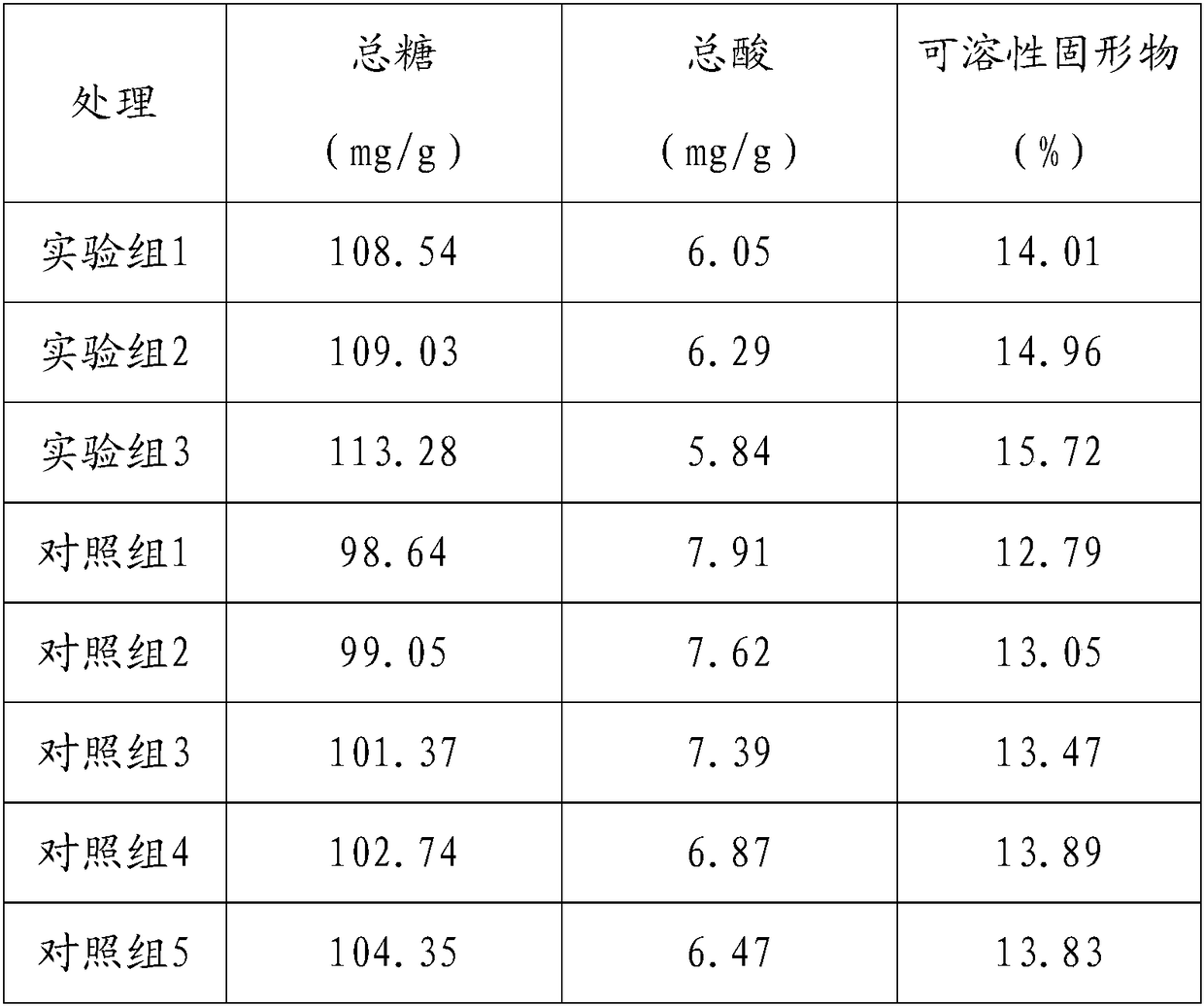
Figure 1 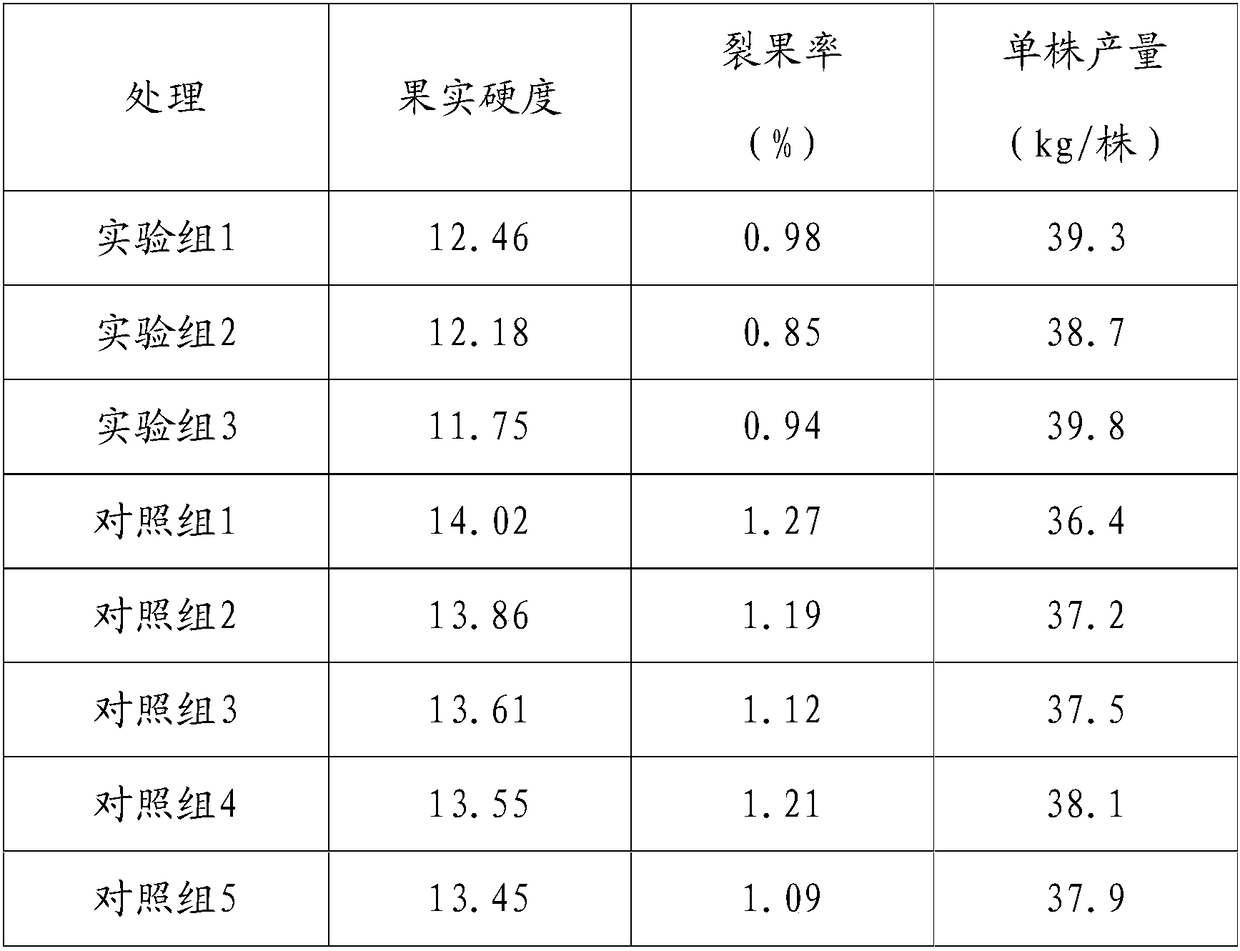
Figure 2
Abstract
Description
technical field
[0001] The invention belongs to the field of agricultural fertilizers and relates to the preparation of compound fertilizers, in particular to a special carbon-based organic-inorganic compound fertilizer for navel oranges and its preparation method and application. Background technique
[0002] Navel oranges are rich in nutrients and contain various nutrients necessary for the human body. Navel orange contains a lot of vitamin C and β-carotene, which can help inhibit the formation of carcinogens, soften and protect blood vessels, promote blood circulation, help lower cholesterol and blood lipids, reduce the possibility of heart disease, and prevent gallbladder disease. Navel oranges are suitable for growing in a soil environment with a pH of 5.5 to 6.5. The soil structure is best with aggregate structure, which is conducive to root growth; the soil texture is better with loam. Generally, sandy loam and loam are better, and it is most suitable for deep soil, ...
Examples
Embodiment 1
[0047] A. Crush coconut shells, mango cores, and palm shells into fragments of 1cm to 5cm respectively, mix them according to the ratio of 1:1:0.5 in mass percentage, place them in a carbonization furnace, and keep the temperature at 125°C for 1 hour. Drying; then heat up to 550°C, and pyrolyze for 3 hours under airtight anaerobic conditions; naturally cool to room temperature, and grind through a 40-mesh sieve.
[0048] B. 26 parts of biochar, 14 parts of organic fertilizer, 27 parts of urea, 2 parts of urea phosphate, 10 parts of potassium dihydrogen phosphate, 7 parts of potassium sulfate, 1.2 parts of magnesium sulfate, 2 parts of boronite, 5 parts of castor leaf powder , 5 parts of pyrethrum, 4 parts of watercress root, and 0.1 part of polyglutamic acid. After mixing evenly, a special charcoal-based organic-inorganic compound fertilizer for navel oranges is obtained.
Embodiment 2
[0050] A. Crush coconut shells, mango cores, and palm shells into fragments of 1cm-5cm, mix them according to the ratio of 1:0.5:0.2 by mass percentage, place them in a carbonization furnace, and keep the temperature at 130°C for 1 hour. Drying; then heat up to 520°C, and pyrolyze for 3.5 hours under airtight anaerobic conditions; naturally cool to room temperature, and grind through a 40-mesh sieve.
[0051] B. 22 parts of biochar, 18 parts of organic fertilizer, 23 parts of urea, 4 parts of urea phosphate, 5 parts of potassium dihydrogen phosphate, 13 parts of potassium sulfate, 1 part of magnesium sulfate, 1.5 parts of boronite, 8 parts of castor leaf powder , Pyrethrum 3 parts, 5 parts of watercress root, 0.15 parts of polyglutamic acid. After mixing evenly, a special charcoal-based organic-inorganic compound fertilizer for navel oranges is obtained.
Embodiment 3
[0053] A. Crush coconut shells, mango cores, and palm shells into fragments of 1cm-5cm, mix them according to the ratio of 1:0.3:0.4 in mass percentage, place them in a carbonization furnace, and keep the temperature at 140°C for 1 hour. Drying; then heat up to 450°C, pyrolyze for 3 hours under airtight and anaerobic conditions; naturally cool to room temperature, and grind through a 40-mesh sieve.
[0054] B. 23 parts of biochar, 16 parts of organic fertilizer, 24 parts of urea, 3 parts of urea phosphate, 7 parts of potassium dihydrogen phosphate, 9 parts of potassium sulfate, 1.5 parts of magnesium sulfate, 1.9 parts of boronite, 7.5 parts of castor leaf powder , 4 parts of pyrethrum, 3 parts of watercress root, and 0.09 part of polyglutamic acid. After mixing evenly, a special charcoal-based organic-inorganic compound fertilizer for navel oranges is obtained.