
Novel bio-based phosphite antioxidant and preparation method thereof
A technology of ester antioxidant and base phosphorous acid, which is applied in the field of new bio-based phosphite antioxidant and its preparation, can solve problems such as hazards and restrictions, and achieve high molecular weight and good heat resistance stability Effect
Patent Information
- Authority / Receiving Office
- CN · China
- Patent Type
- Patents(China)
- Current Assignee / Owner
- Publication Date
- 2020-09-11
Smart Images
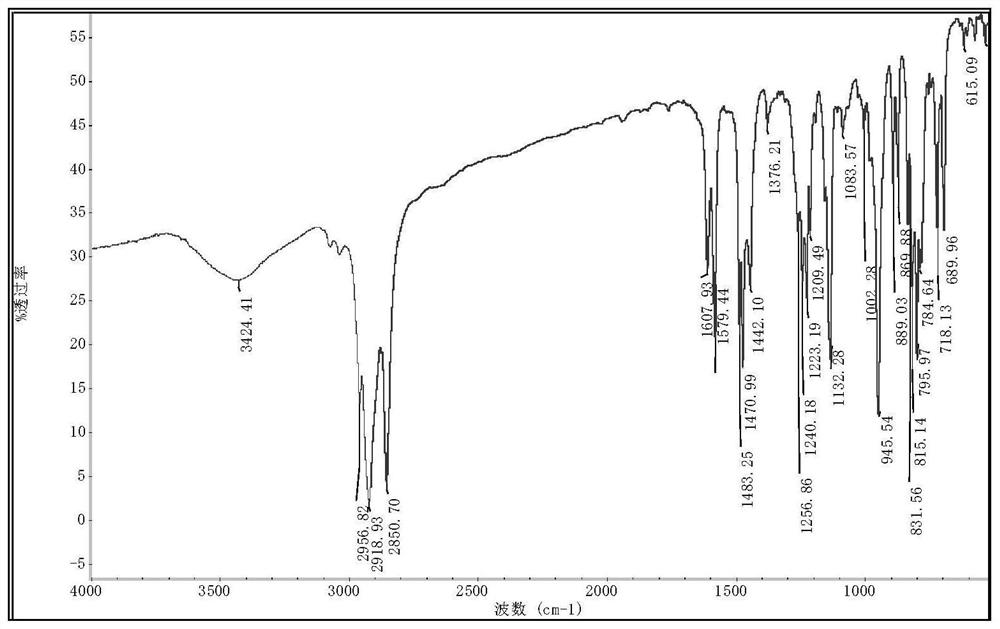
Figure 1 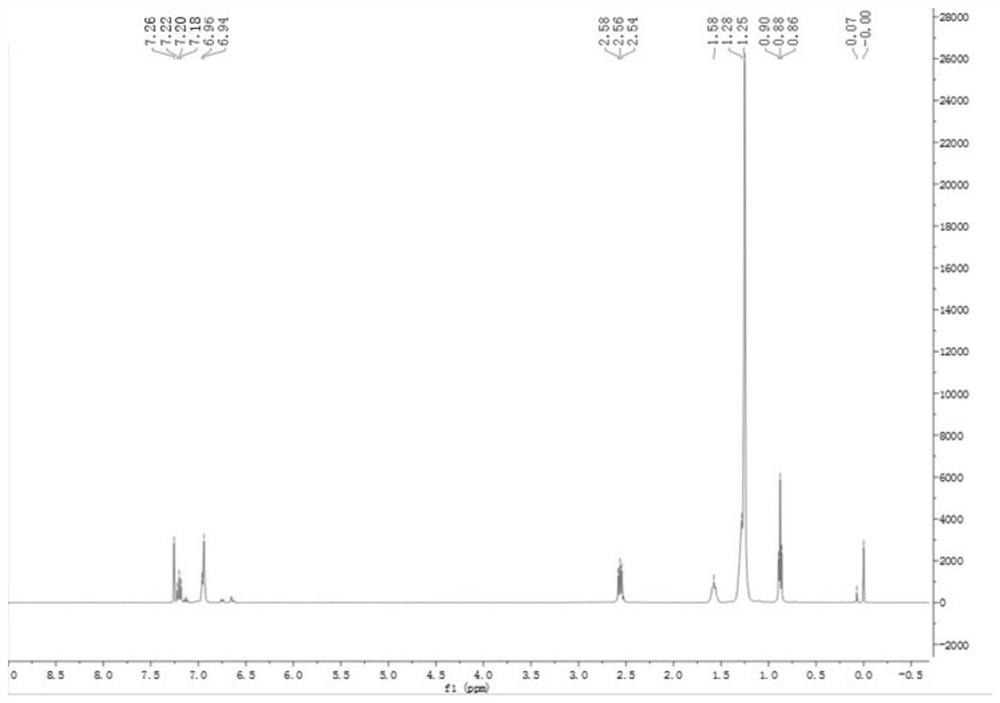
Figure 2 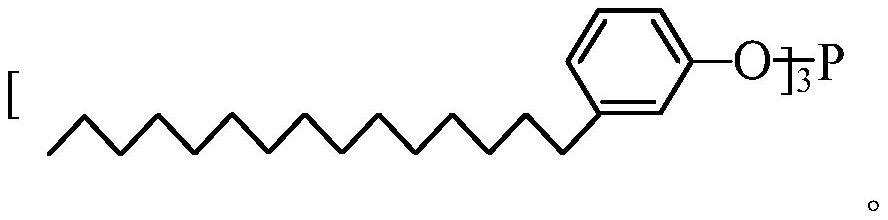
Figure 3
Abstract
Description
technical field
[0001] The invention relates to an antioxidant for polymer materials, in particular to a novel bio-based phosphite antioxidant and a preparation method thereof. Background technique
[0002] During processing and long-term use, polymers are susceptible to light and heat, oxidized by oxygen in the air, lose mechanical properties, discoloration, cracks, loss of gloss and other changes, and the appearance becomes unattractive. Antioxidants need to be added to improve the processing stability and long-term stability of the polymer. Antioxidants are such a class of chemical substances, when only a small amount exists in the polymer system, they can delay or inhibit the oxidation process of the polymer, thereby preventing the aging of the polymer and prolonging its service life, also known as "Anti-aging agent".
[0003] The types of antioxidants are: hindered phenol antioxidants, phosphite antioxidants, thio antioxidants, etc.
[0004] Phosphite antioxidant is ...
Examples
Embodiment 1
[0041] The synthesis of the pentadecylphenol of embodiment 1
[0042]Add 986 grams of cardanol into a clean 2L pressure reactor, add 5 grams of Raney nickel catalyst, and replace the air in the reactor with nitrogen until the nitrogen content of the gas discharged from the outlet is ≥99.5%, and the hydrogen flow rate is controlled through the connected hydrogen cylinder. Hydrogen replacement, after the replacement, re-flow hydrogen to the pressure of about 4 MPa in the kettle, stop the hydrogen flow, close the hydrogen valve, seal the reaction kettle, gradually raise the temperature, observe the reaction pressure during the heating process, control the pressure by adjusting the heating speed to no more than 5 MPa, and keep the stirring speed at about 300r / min, heat up to about 120°C in about 2 hours, keep the reaction at the reaction temperature of 120-140°C for 3 hours, cool down to below 45°C after the reaction is completed, slowly open the vent valve, and restore the normal ...
Embodiment 2
[0043] The synthesis of the pentadecylphenol of embodiment 2
[0044] Add 986 grams of cardanol into a clean 2L pressure reactor, add 8 grams of Raney nickel catalyst, and replace the air in the reactor with nitrogen until the nitrogen content of the gas discharged from the outlet is ≥99.5%, and the hydrogen flow rate is controlled through the connected hydrogen cylinder. Hydrogen replacement, after the replacement, re-flow hydrogen to the pressure in the kettle to about 4MPa, stop the hydrogen flow, close the hydrogen valve, seal the reaction kettle, gradually raise the temperature, observe the reaction pressure during the heating process, control the pressure in the kettle to not exceed 5MPa by adjusting the heating speed, and keep stirring The speed is about 300r / min, the temperature is raised to about 110°C in about 1.5h, and the reaction is maintained at a reaction temperature of 110-130°C for 2.5 hours. The reaction product is released, transferred to a four-neck flask f...
Embodiment 3
[0045] The synthesis of the pentadecylphenol of embodiment 3
[0046] Add 986 grams of cardanol into a clean 2L pressure reactor, add 3 grams of Raney nickel catalyst, and replace the air in the reactor with nitrogen until the nitrogen content of the gas discharged from the outlet is ≥99.5%, and the hydrogen flow rate is controlled through the connected hydrogen cylinder. Hydrogen replacement, after the replacement, re-flow hydrogen until the pressure in the kettle is about 4.5MPa, stop the hydrogen flow, close the hydrogen valve, seal the reaction kettle, gradually raise the temperature, observe the reaction pressure during the heating process, control the pressure not to exceed 5.5MPa by adjusting the heating speed, and keep stirring The speed is about 300r / min, the temperature is raised to about 120°C in about 2.5h, and the reaction is maintained at a reaction temperature of 120-140°C for 3.5 hours. The reaction product is released, transferred to a four-neck flask for vacu...