
Benign lactobacillus strain capable of reducing secondary precipitation of soybean sauce, and screening method and applications thereof
A secondary precipitation and screening method, applied in the fields of soy sauce preparation, benign lactic acid bacteria strains, and lactic acid bacteria strains, can solve problems affecting product appearance, sales and export of soy sauce, etc., to improve flavor, reduce quantity, and increase lactic acid content Effect
Patent Information
- Authority / Receiving Office
- CN · China
- Current Assignee / Owner
- Publication Date
- 2019-10-22
Smart Images
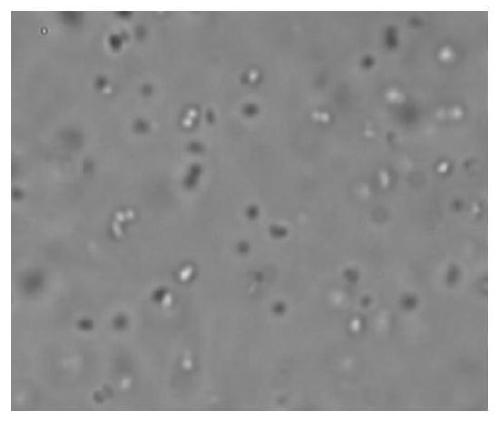
Figure 1 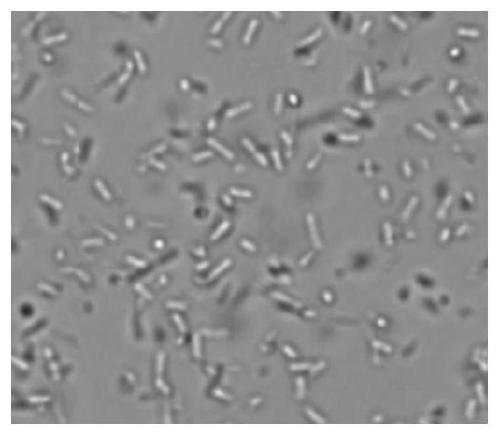
Figure 2 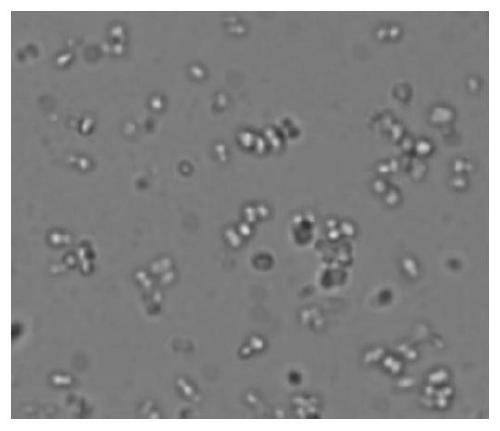
Figure 3
Abstract
Description
technical field
[0001] The invention belongs to the technical field of soy sauce brewing, and in particular relates to a benign lactic acid bacteria strain capable of reducing secondary precipitation of soy sauce, and also relates to a process for preparing soy sauce using the lactic acid bacterial strain capable of reducing secondary precipitation of soy sauce. Background technique
[0002] Soy sauce is one of the condiments necessary for Chinese life, and our country exports a large amount of soy sauce every year. Although the quality of Cantonese-style soy sauce is not inferior to that of Japanese soy sauce, the price of the former in the international market is lower than that of soy sauce. About two-thirds, although all the soy sauces exported by my country are produced with high-quality raw materials, and the products have been strictly sterilized, filtered, tested and other processes, and there is no sediment when exported, but the soy sauces sold after a period of stor...
Examples
Embodiment Construction
[0068] The technical solutions of the present invention will be described in detail below in conjunction with specific embodiments. The three groups of lactic acid bacteria selected in this example are respectively named R1, R2 and R3, wherein R1 is the Pediococcus halophilus purchased from China Microbiology Network, R2 is the lactic acid bacteria Bacillus purchased from the Shanghai Institute of Microbial Brewing, and R3 is isolated from soy sauce The resulting Pediococcus with several cells linked together is Tetradendococcus halophilus.
[0069] A kind of screening method of the benign lactic acid bacteria strain that can reduce soy sauce secondary precipitation, it comprises the following steps:
[0070] S1: Three groups of lactic acid bacteria R1, R2 and R3 were expanded and cultivated under the same conditions, and the culture medium was examined under a microscope. According to the different cell shapes of lactic acid bacteria, 3 to 8 cells connected together were prel...