
Immunogenic compositions of Staphylococcus aureus antigens
a technology of immunogenic compositions and staphylococcus aureus, which is applied in the field of immunogenic compositions to achieve the effect of reducing severity and reducing severity
Patent Information
- Authority / Receiving Office
- US · United States
- Patent Type
- Patents(United States)
- Current Assignee / Owner
- Publication Date
- 2013-10-29
Smart Images
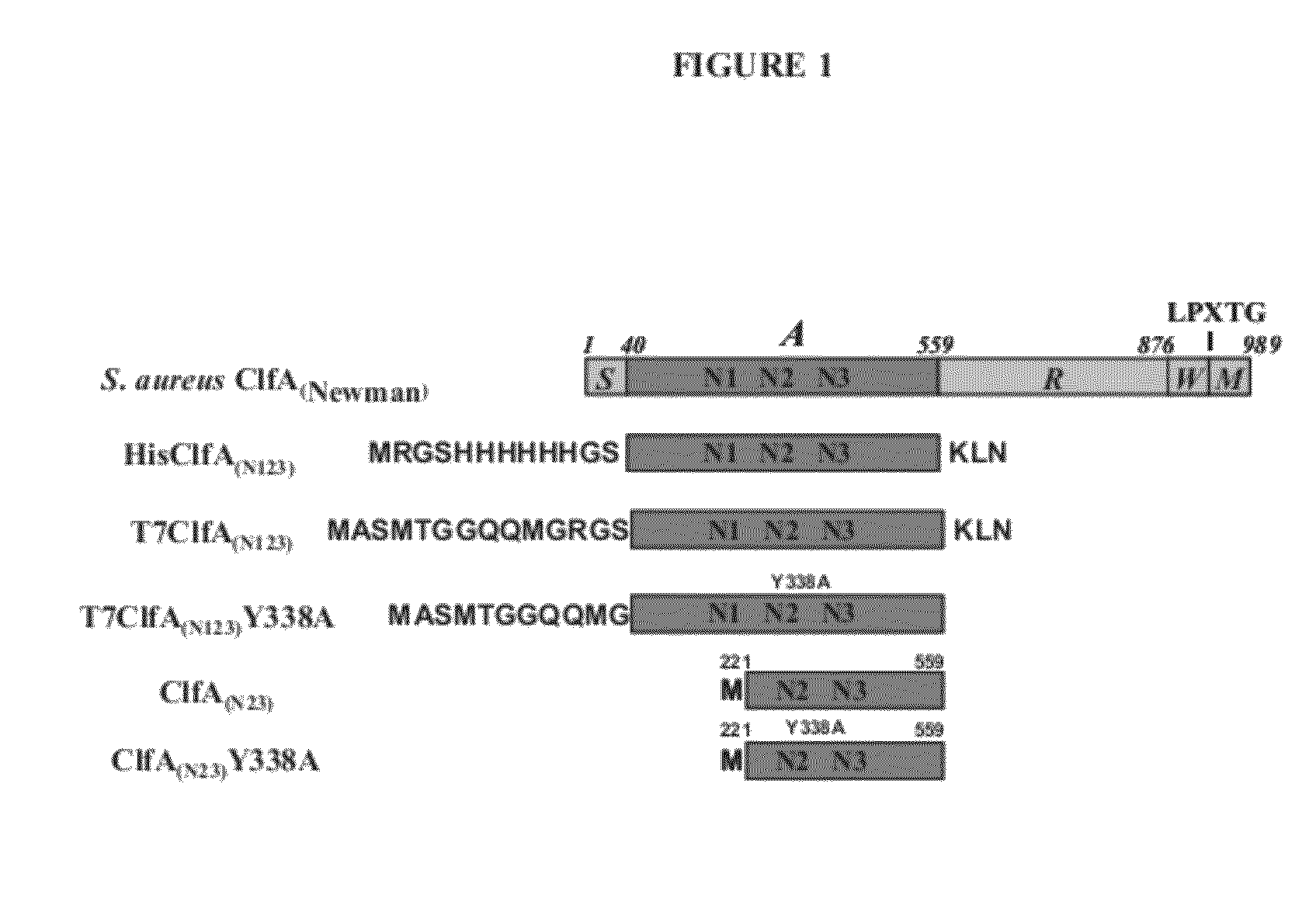
Figure 1 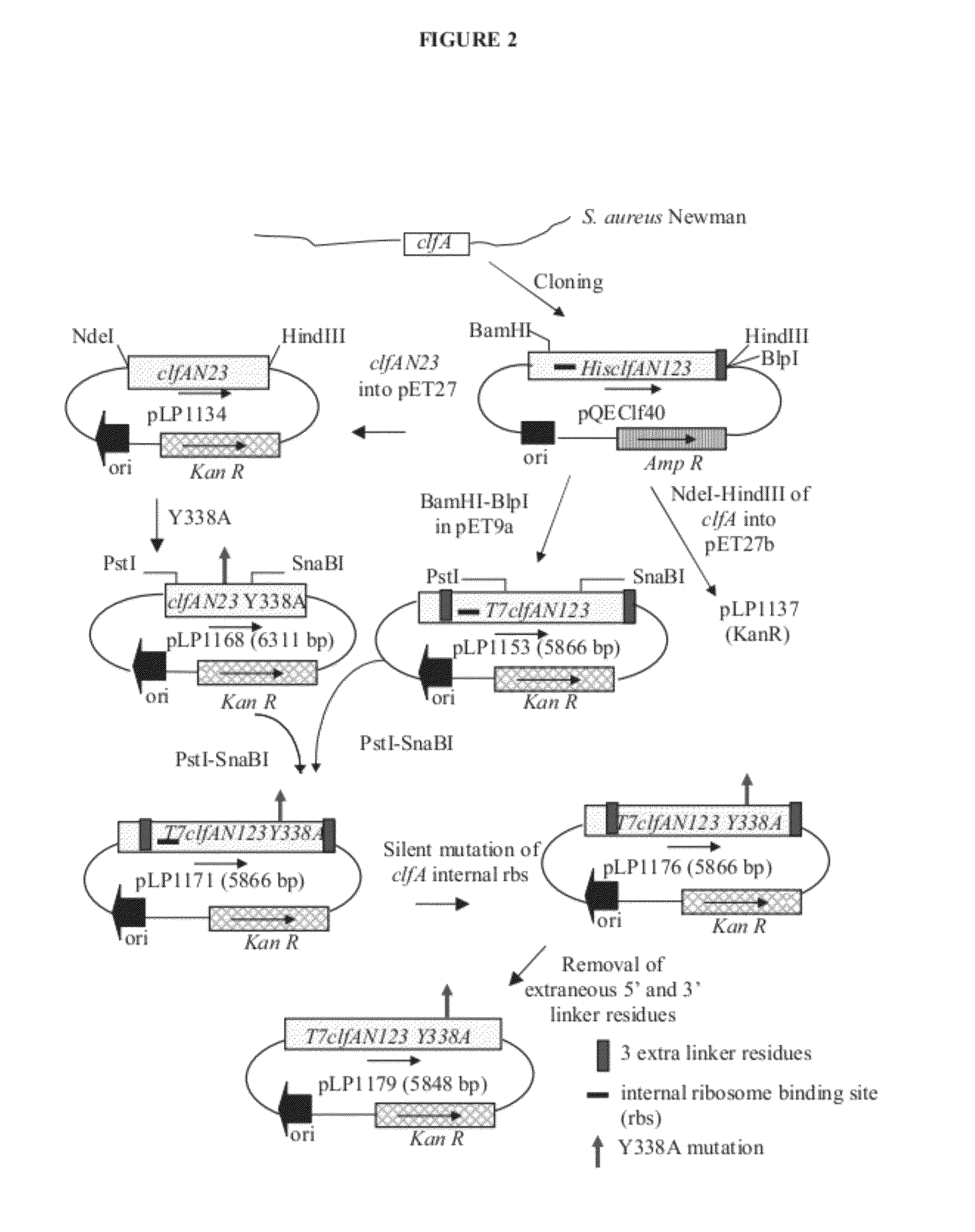
Figure 2 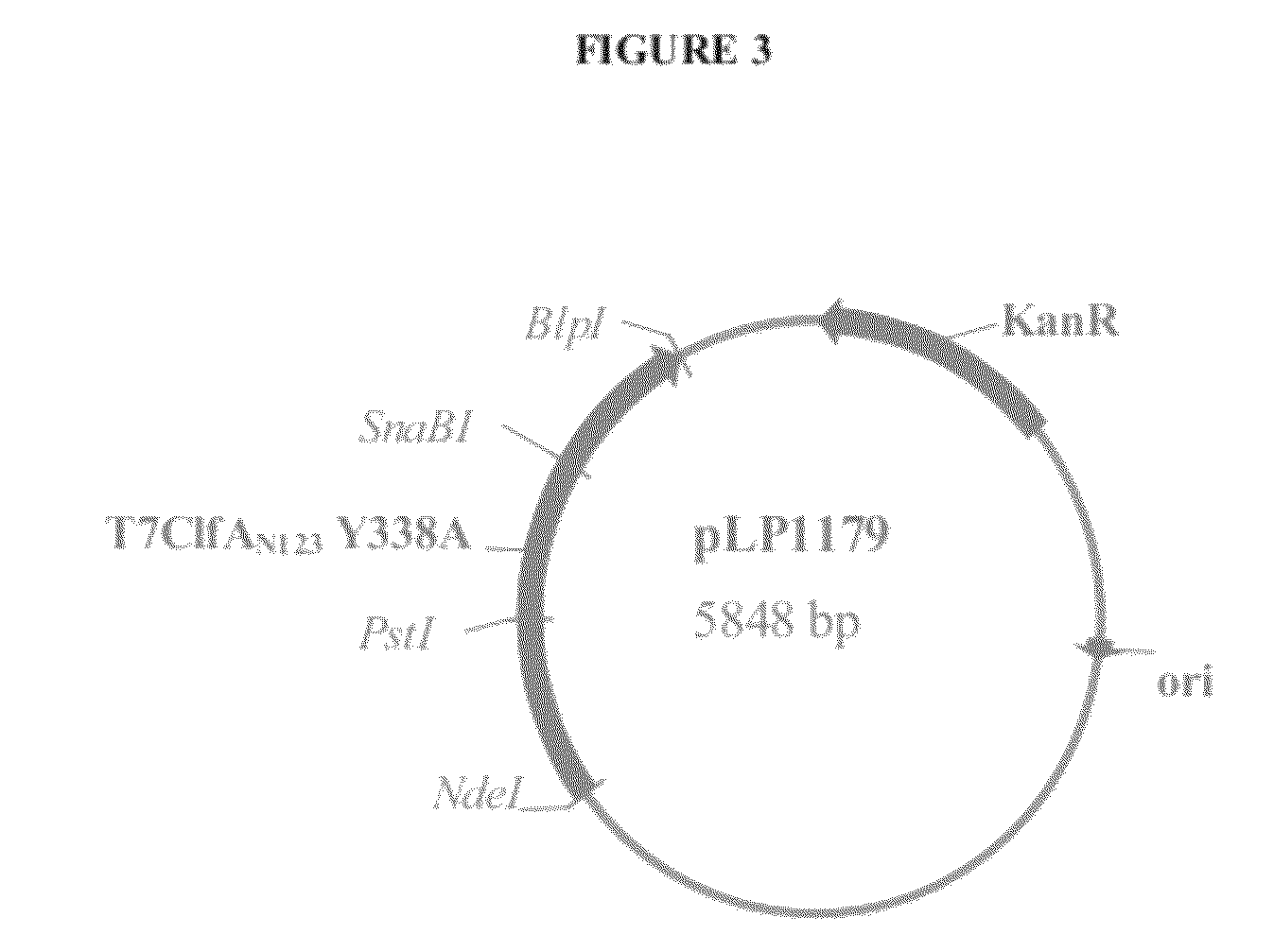
Figure 3
Abstract
Description
CROSS REFERENCE TO RELATED APPLICATION
[0001] This application claims the priority benefit of U.S. Provisional Patent Application No. 61 / 219,134, filed Jun. 22, 2009, the entirety of which is hereby incorporated by reference herein.FIELD OF THE INVENTION
[0002] The present invention relates to immunogenic compositions, comprising polypeptides and capsular polysaccharides isolated from Staphylococcus aureus. In addition, the invention relates to methods of inducing an immune response in subjects against Staphylococcus aureus using immunogenic compositions of the Staphylococcus aureus polypeptides, and capsular polysaccharides. The resulting antibodies can also be used to treat or prevent Staphylococcus aureus infection via passive immunotherapy.BACKGROUND OF THE INVENTION
[0003] Humans are the natural reservoirs for Staphylococcus aureus (S. aureus). Healthy individuals can be colonized by S. aureus on the skin, in the nares and the throat either persistently (10-35%), intermittently (20-7...
Examples
example 1
Production of Antigens ClfA and ClfB
[0222]Clumping factor A (ClfA) and B (ClfB) are S. aureus surface proteins responsible for binding to host proteins including fibrinogen (ClfA, ClfB) and cytokeratin 10 (ClfB). ClfA and ClfB are members of a family of proteins containing the carboxyl terminal LPXTG (SEQ ID NO: 125) motif that enables the protein to become covalently linked to the cell surface. Both ClfA and ClfB belong to family of proteins (Microbial Surface Components Recognizing Adhesive Matrix Molecule, or MSCRAMMs) that recognize and bind host extracellular matrix proteins such as fibrinogen (ClfA and ClfB), fibronectin (FnbA and FnbB), collagen (Cna), and others. These proteins all share the amino terminal signal sequence that mediates transport to the cell surface. The MSCRAMMs also include an A-domain that is the functional region containing ligand-binding site for fibrinogen, fibronectin, elastin, and keratin. The A-domain can be followed by a region composed of serine-as...
example 2
Productions of Antigens: Staph aureus MntC
[0245]Cloning S. aureus Lipidated MntC
[0246]Recombinant MntC was originally cloned from S. aureus strain Mu50. The rMntC coding sequence was amplified by PCR from S. aureus Mu50 genomic DNA. Two pairs of nested primers were used for the amplification (Table 2). The first pair of primers, 5′SA926-MntC ups and 3′SA926-MntC down, align to the sequence upstream and downstream of the open reading frame of rMntC. The second set of primers align to the coding sequence of rMntC allowing to amplify the sequence corresponding to amino acid residues 19-309. Restriction enzymes sites were incorporated at the 5′ ends of these primers to facilitate directional cloning. PCR was carried out in a Peltier Thermal Cycler (MJ Research Inc, Walthan, Mass.) with TaKaRa PrimeSTAR HS DNA Polymerase Premix (Takara Bio USA, Madison, Wis.). PCR product was purified by QIAEX II (Qiagen, Valencia, Calif.), cleaved with the appropriate restriction endonucleases (New Engl...
example 3
Production of Capsule Polysaccharides CP5 and CP8
[0257]In this example, production of various sizes of S. aureus capsule polysaccharides type 5 and 8 is described. The structures of the CP5 and CP8 polysaccharides are shown in FIG. 4. The methods described herein are effective in producing CP5 and CP8 with molecular weights ranging from about 50 kDa to 800 kDa. Based on growth characteristics and the quantity of capsule produced, strain PFESA0266 was chosen for CP5 production while strains PFESA0005 or PFESA0286 were used for the production of CP8. The capsules isolated from strains PFESA0005 and PFESA0286 were shown to be identical.
[0258]For production of capsular polysaccharides, the strains were grown in a complex medium consisting primarily of a carbon source (either lactose or sucrose), hydrolyzed soyflour as the nitrogen source, and trace metals. The strains were grown in bioreactors for 2 to 5 days.
[0259]Purification of CP5 and CP8 used for the preparation of conjugates was p...