
Devices and methods for percutaneous energy delivery
a technology of percutaneous energy and devices, applied in the direction of contraceptive devices, prosthesis, therapy, etc., can solve the problems of skin sagging, wrinkles, and other undesirable distortions, and achieve the effect of preventing the energy from affecting the outer layer of skin and improving appearan
Patent Information
- Authority / Receiving Office
- US · United States
- Patent Type
- Patents(United States)
- Current Assignee / Owner
- Publication Date
- 2014-11-11
Smart Images
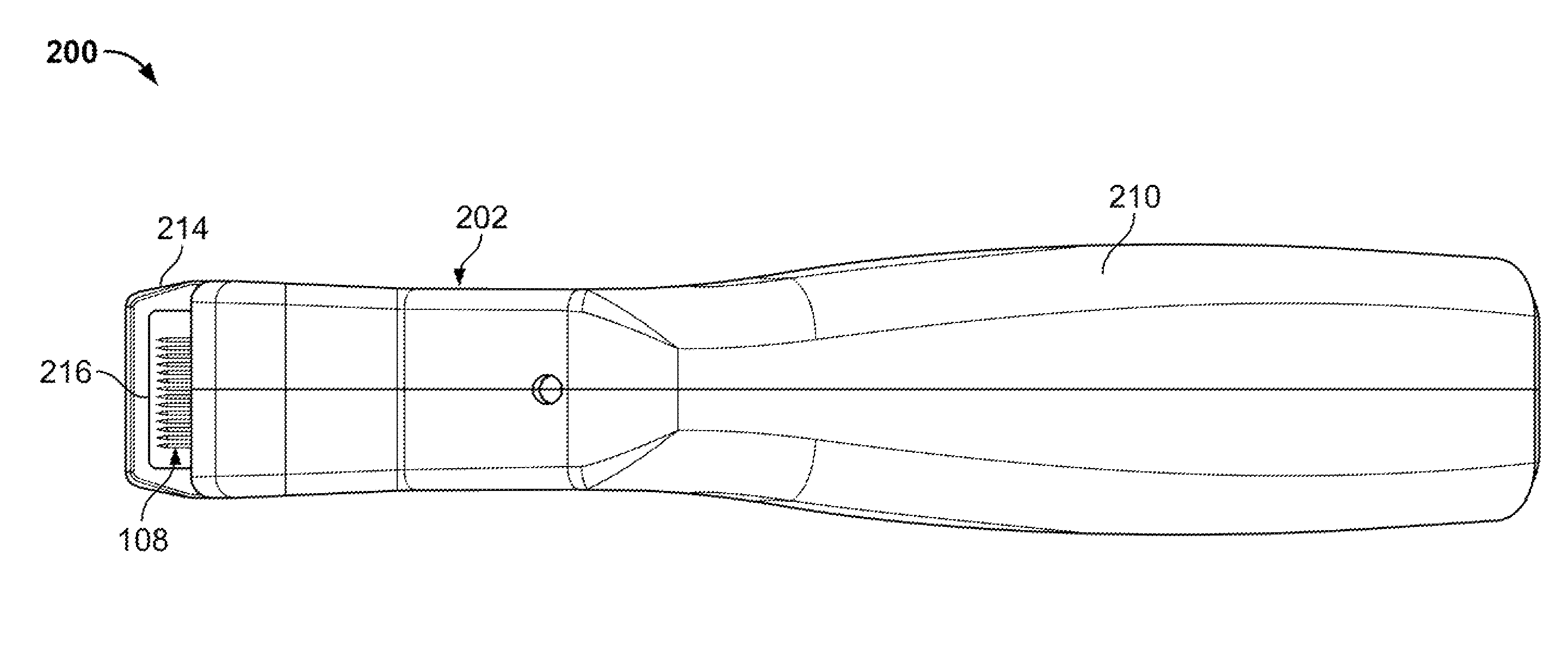
Figure 1 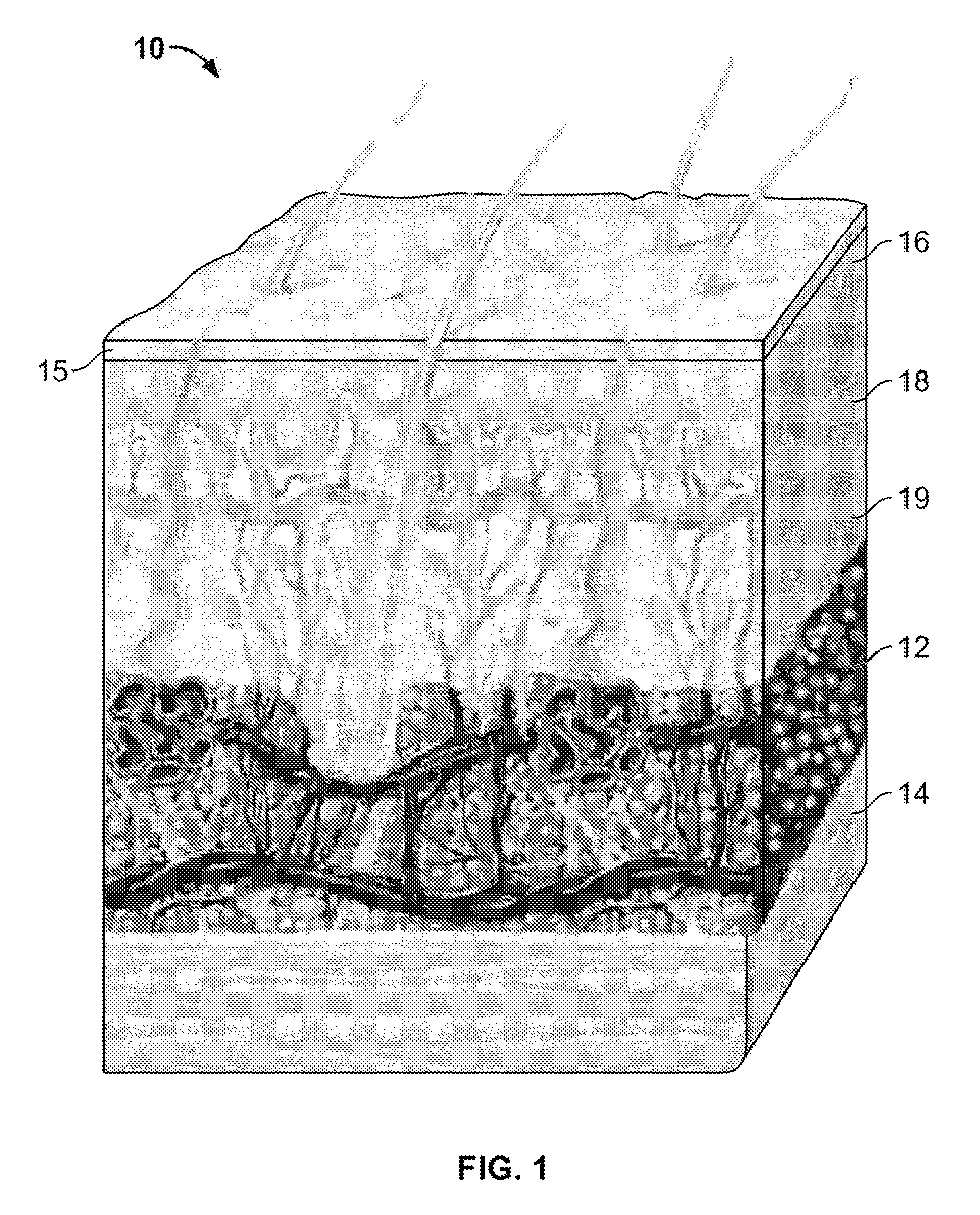
Figure 2 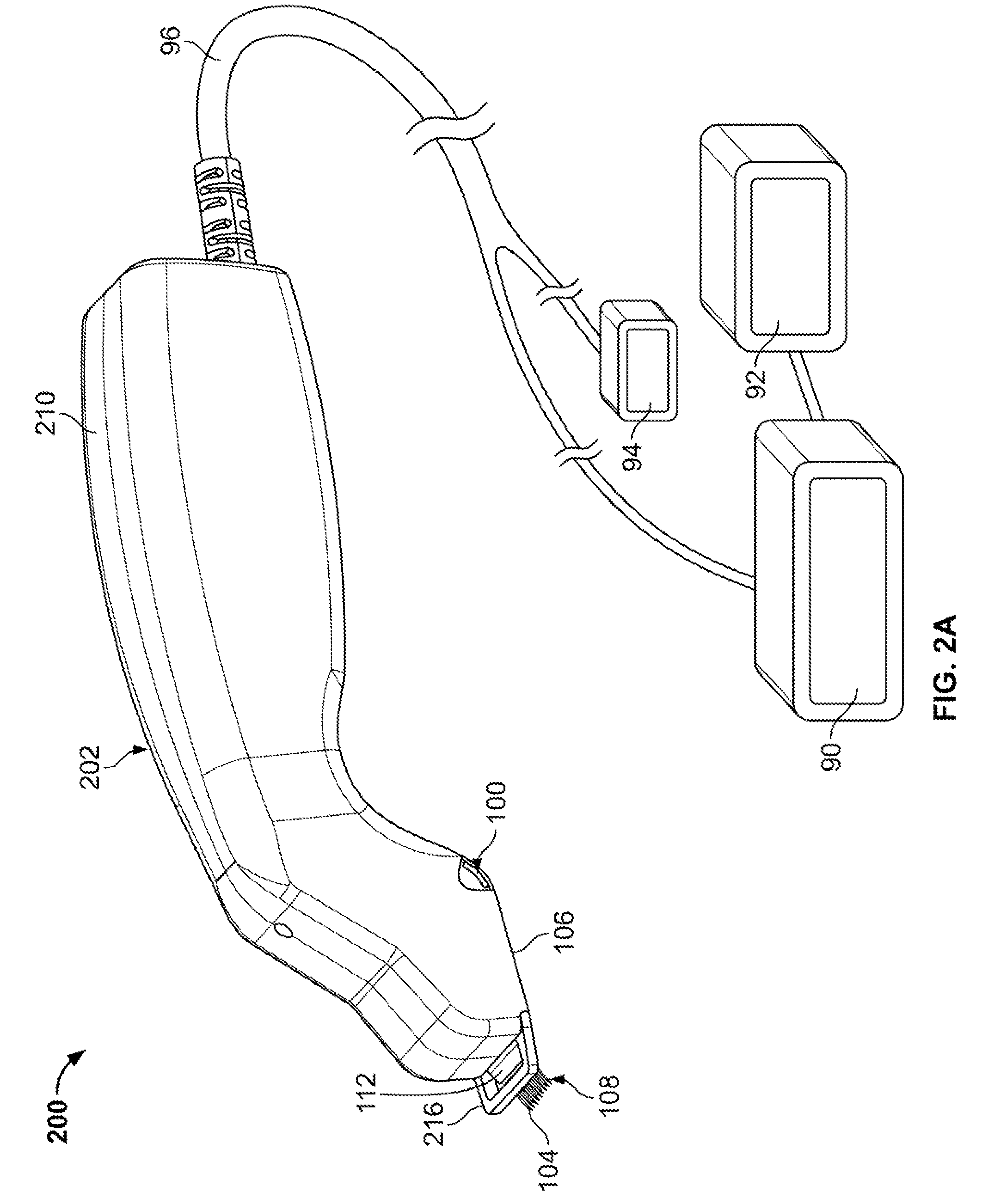
Figure 3
Abstract
Description
CROSS-REFERENCE
[0001] This application is a non-provisional of U.S. Provisional Application No. 61 / 080,386 filed Jul. 14, 2008 and a non-provisional of U.S. Provisional Application No. 61 / 099,671 filed Sep. 24, 2008.BACKGROUND OF THE INVENTION
[0002] The systems and method discussed herein treat tissue in the human body. In a particular variation, systems and methods described below treat cosmetic conditions affecting, the skin of various body parts, including face, neck, and other areas traditionally prone to wrinkling, lines, sagging and other distortions of the skin.
[0003] Exposure of the skin to environmental forces can, over time, cause the skin to sag, wrinkle, form lines, or develop other undesirable distortions. Even normal contraction of facial and neck muscles, e.g. by frowning or squinting, can also over time form furrows or bands in the face and neck region. These and other effects of the normal aging process can present an aesthetically unpleasing cosmetic appearance.
[0004] ...
Examples
example
Treatment Limited to a Reticular Dermis Layer
[0180]Patients were treated with a PID controlled bipolar RF electrode device (a frequency of 460 kHz) configured with 5 pairs of 30 gauge electrodes. The distance between two electrodes of a pair was about 1.25 mm, and the distance between two adjacent electrodes of an adjacent pair was about 2.5 mm. To protect the epidermis from RF heating at the insertion location, a proximal 3 mm of each electrode was insulated with a low-conductivity biocompatible material such as Teflon while the distal 3 mm were left exposed to function as the active portion. The treatment device body featured a smart electrode deployment system as described above. In such a system, the electrodes were configured to enter the epidermis at a 20° angle to the skin surface for a distance of 6 mm. Once inserted, each electrode pair transmitted a test current therebetween to sense the impedance of the tissue adjacent to the active portion of the electrodes. The test cur...