Default phase detection method and device for motor

A phase loss detection and phase loss technology, which is applied in the field of motor phase loss detection and motor phase loss detection device, can solve the problems of phase loss misjudgment and motor phase loss misjudgment, and achieve the effect of improving output torque performance.

CN104459352AActive Publication Date: 2015-03-25GUANGDONG WELLING ELECTRIC MACHINE MFG +1
12 Cites 21 Cited by

Patent Information

Authority / Receiving Office
CN · China
Patent Type
Applications(China)
Current Assignee / Owner
Publication Date
2015-03-25

Smart Images

  • Figure 1
    Figure 1
  • Figure 2
    Figure 2
  • Figure 3
    Figure 3
Patent Text Reader

Abstract

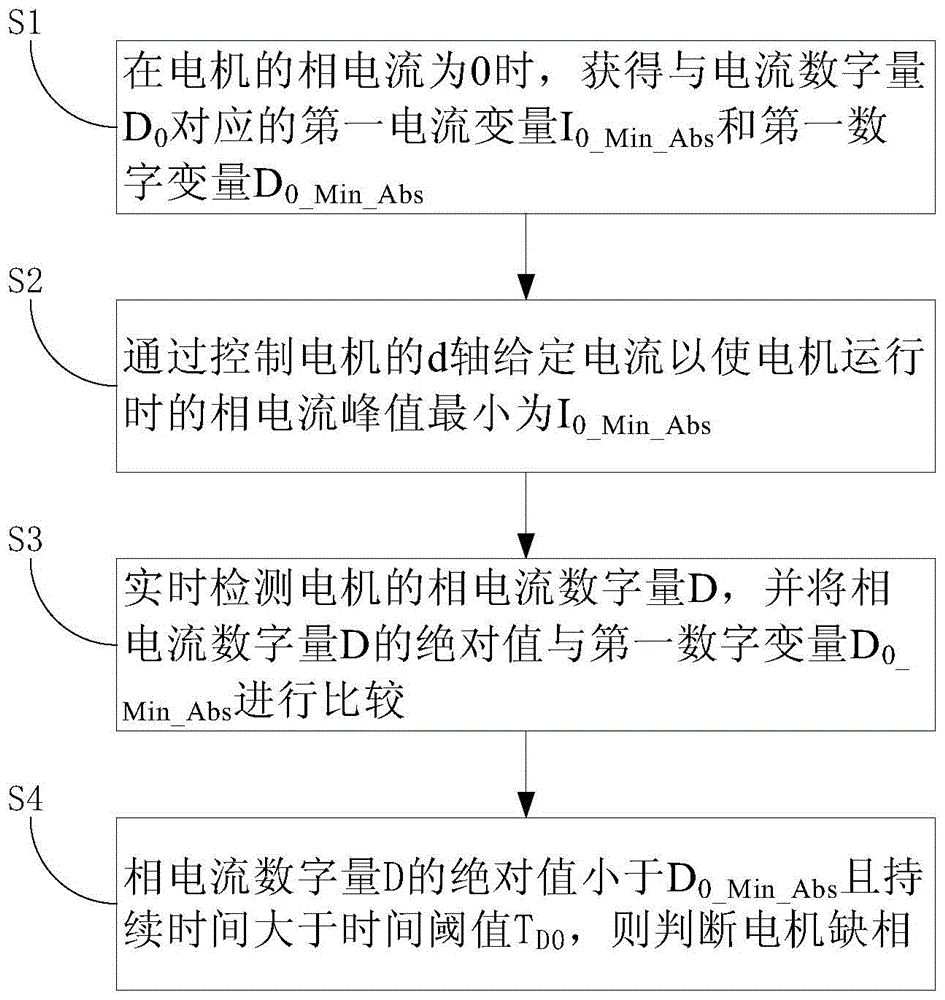
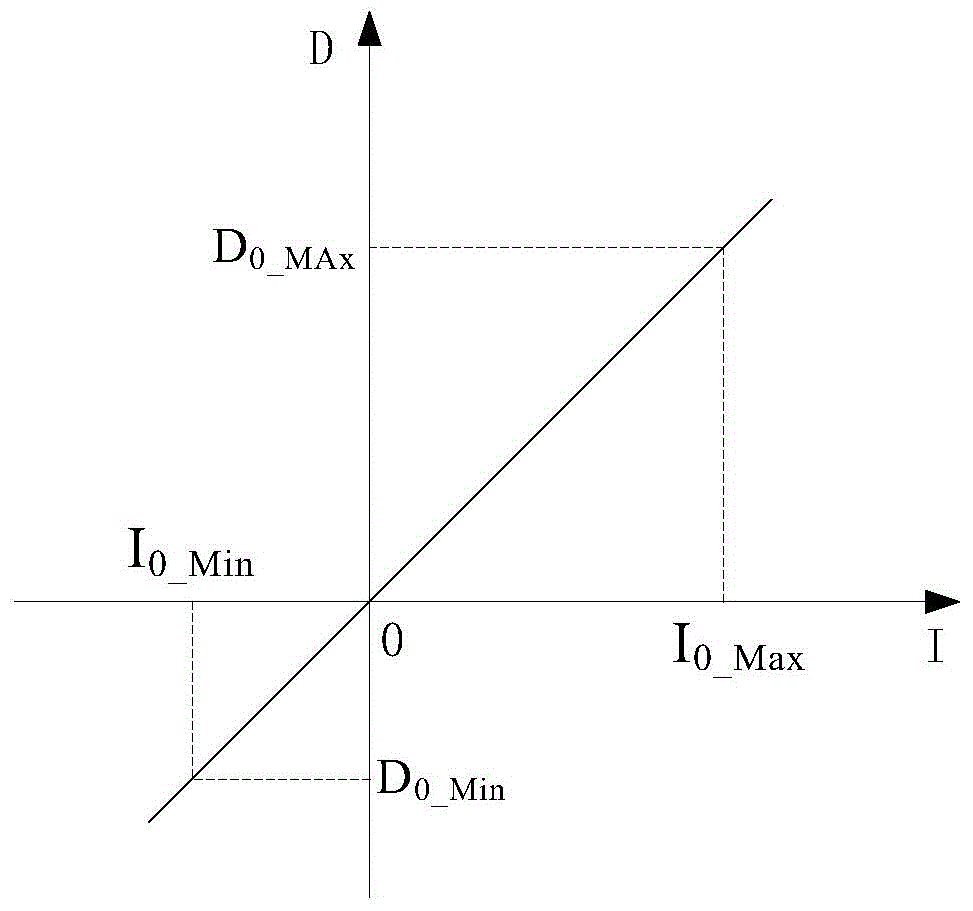
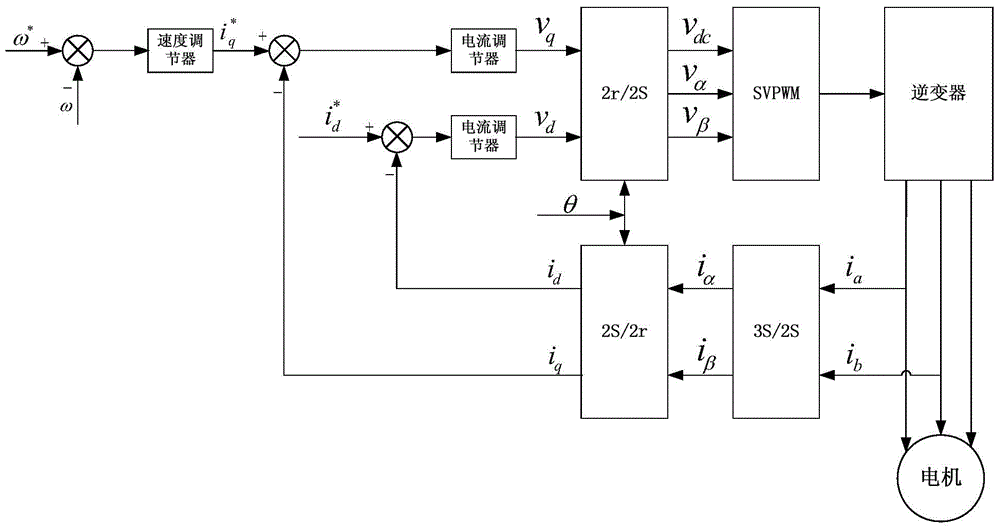
The invention discloses a default phase detection method for a motor. The method includes the following steps that when the phase current of the motor is zero, a first current variable and a first digital variable which correspond to a current digital quantity D<0> are acquired; through controlling the d-axis preset current shown in the specification, of the motor, a minimal phase current peak value in the motor operating process is the first current variable; a phase current digital quantity D of the motor is detected in real time, and an absolute value of the phase current digital amount D is compared with the first digital variable; if the absolute value of the phase current digital quantity D is smaller than the first digital variable and duration is larger than a time threshold value T<D0>, it is judged that the motor is in a default phase state. The default phase detection method for the motor can detect whether the motor is in the default phase state or not before the motor is operated and when the motor is operated in real time and can accurately detect whether any phase of the motor is a default phase or not; compared with a control method making the d-axis current be zero, the output torque performance of a salient pole of the motor can be improved, and the output torque performance of a non-salient pole of the motor is not affected. The invention further discloses a default phase detection device for the motor.
Need to check novelty before this filing date? Find Prior Art

Description

technical field

[0001] The invention relates to the technical field of motors, in particular to a motor phase loss detection method and a motor phase loss detection device. Background technique

[0002] When the motor controller is used to detect the phase current of the motor, the phase current signal of the collected motor is generally converted into a voltage analog signal through the current-voltage conversion module, and then the voltage analog signal is converted into a digital quantity through the analog-to-digital conversion module , and finally the program in the motor controller controls the motor through digital quantities.

[0003] When the motor controller is used to detect the lack of phase of the motor, the motor controller collects the phase current of the motor in real time, and compares the converted phase current digital quantity with the converted phase current digital quantity when the motor is no-load. If the final phase current digital value is less t...

Examples

Embodiment Construction

[0025] Embodiments of the present invention are described in detail below, examples of which are shown in the drawings, wherein the same or similar reference numerals designate the same or similar elements or elements having the same or similar functions throughout. The embodiments described below by referring to the figures are exemplary only for explaining the present invention and should not be construed as limiting the present invention.

[0026] The following disclosure provides many different embodiments or examples for implementing different structures of the present invention. To simplify the disclosure of the present invention, components and arrangements of specific examples are described below. Of course, they are only examples and are not intended to limit the invention. Furthermore, the present invention may repeat reference numerals and / or letters in different instances. This repetition is for the purpose of simplicity and clarity and does not in itself indicat...