
A Step-by-Step Seismic Facies Prediction Method for Fluvial Reservoirs Based on Geological Information Constraints
A prediction method and technology of seismic facies, applied in seismic survey, seismology, geophysical survey, etc., can solve problems such as slow convergence speed, inaccurate classification, and large calculation time.
- Summary
- Abstract
- Description
- Claims
- Application Information
AI Technical Summary
Problems solved by technology
Method used
Image

Examples
Embodiment 1
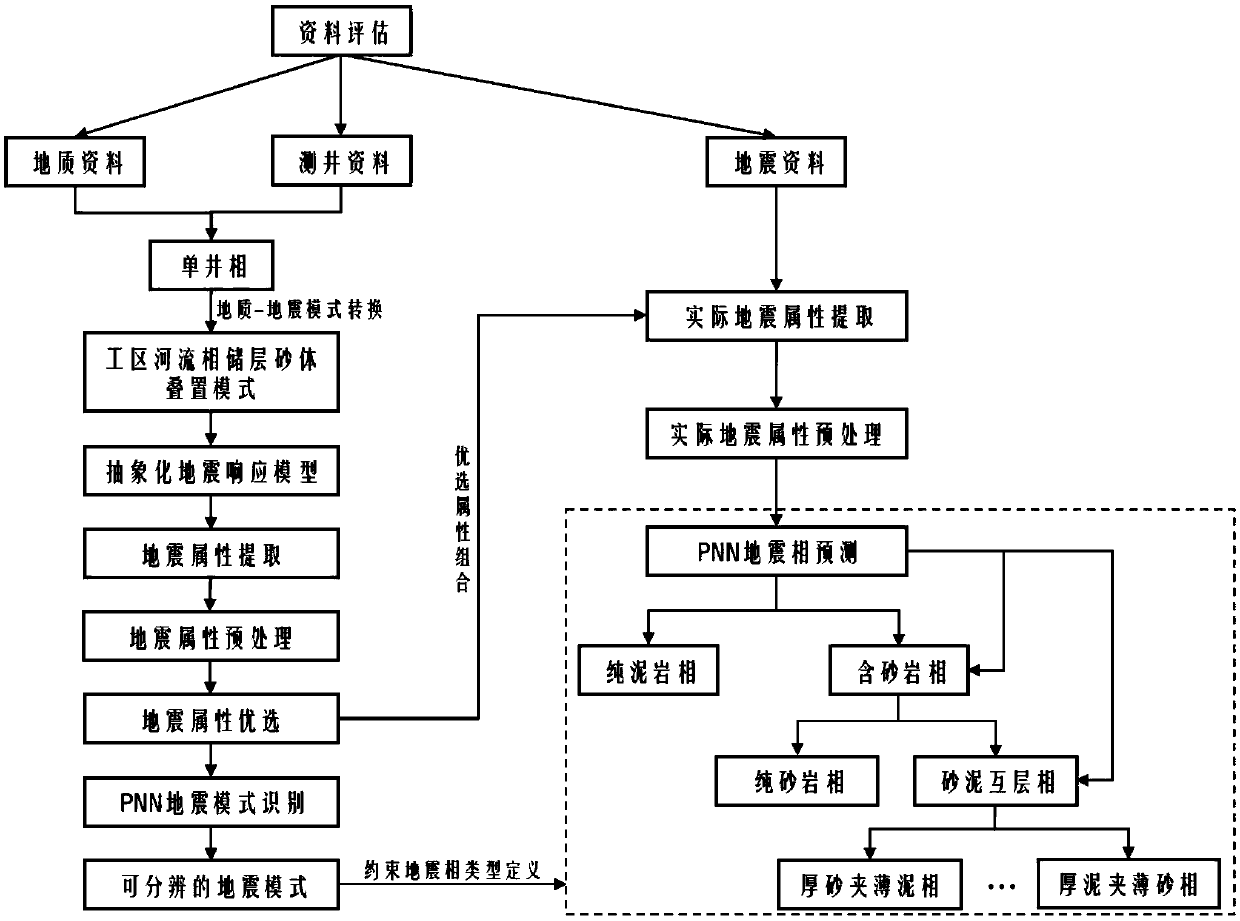
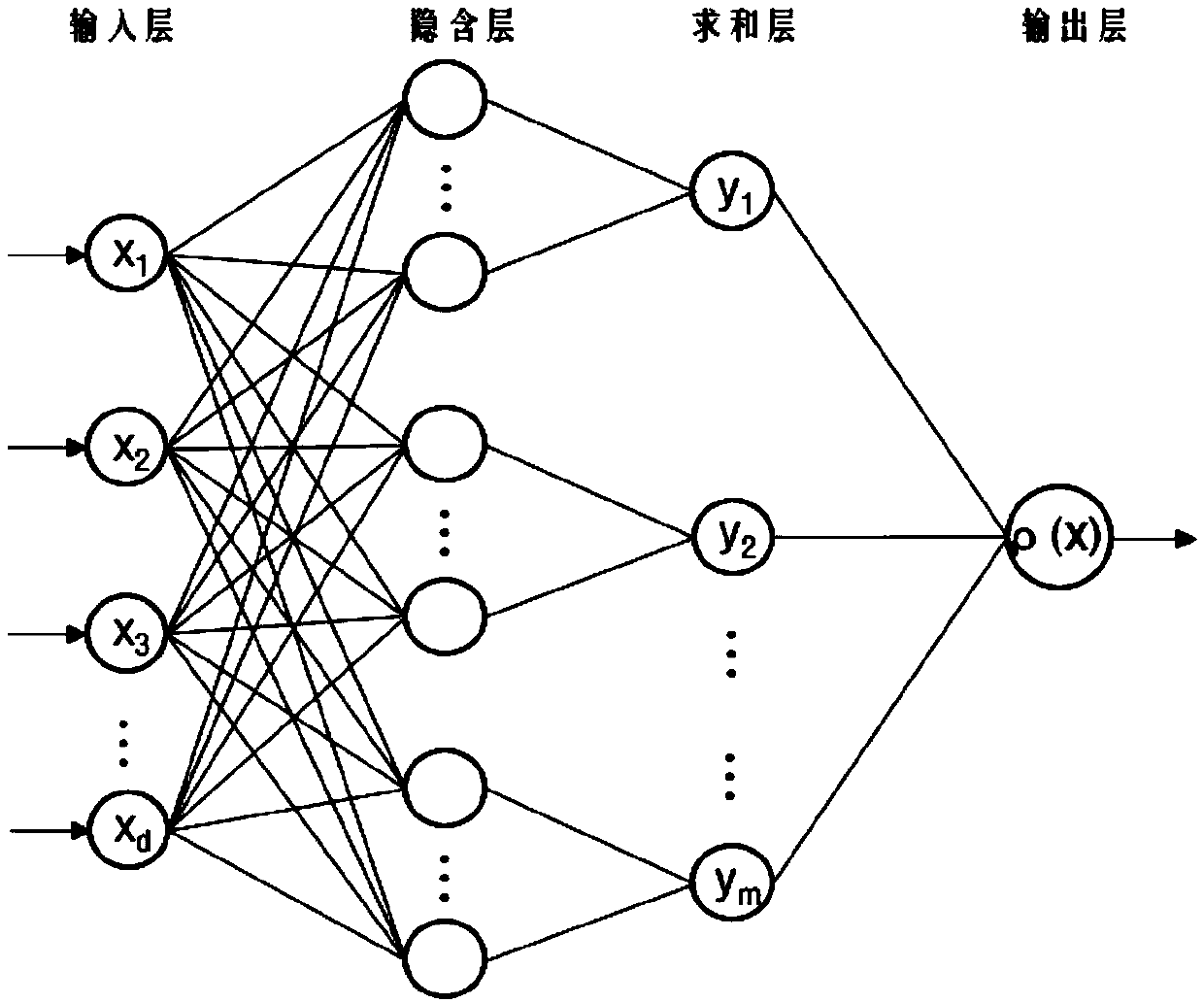
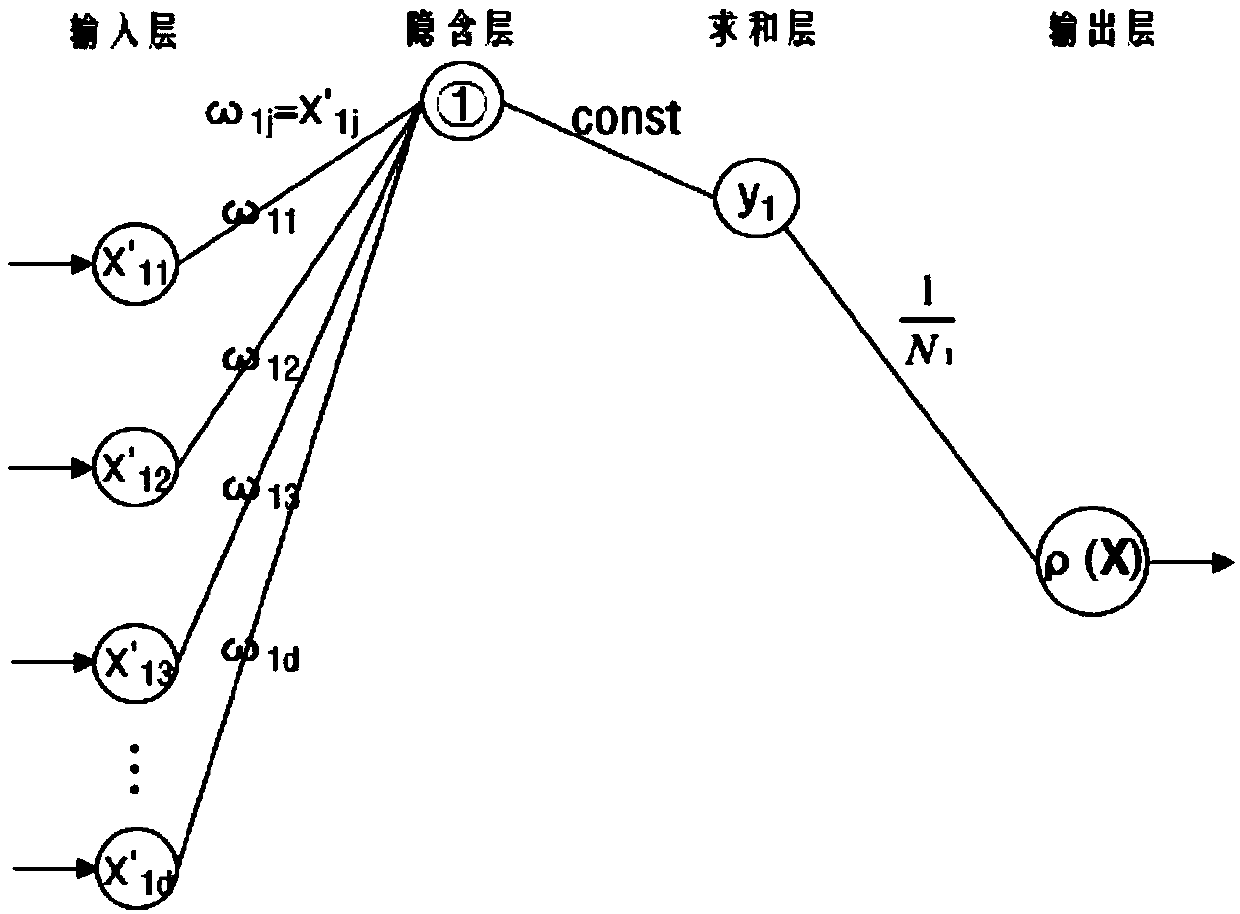
[0066] A step-by-step seismic facies prediction method for fluvial facies reservoirs based on geological information constraints, comprising the following steps:
[0067] Step 1: Evaluation of geological data; including the evaluation of geological, logging and seismic data; the evaluation of geological data is to understand the geological situation of the fluvial facies work area, and to have an understanding of its sedimentary evolution history and lithology data. After fully evaluating these data After that, the geological information knowledge base can be established; the evaluation of logging data is mainly to understand and count the logging response characteristics and reservoir parameters of each well in the target interval; the evaluation of seismic data is mainly to pick up the signal-to-noise ratio and resolution of the data, To determine the general trend of reservoir characteristics that can be reflected by the subsequent seismic attributes and the minimum stratum ...
PUM
 Login to View More
 Abstract
Description
Claims
Application Information
 Login to View More