
Cytotoxic and Anti-mitotic compounds, and methods of using the same
a technology of cytotoxic and anti-mitotic compounds and compounds, applied in the field of biologically active compounds, can solve the problems of extremely potent compounds, poor results of dolastatin 10 as a single agent in phase ii clinical trials, and disrupt cell division, and achieve the effect of increasing the survival rate of mammals
- Summary
- Abstract
- Description
- Claims
- Application Information
AI Technical Summary
Benefits of technology
Problems solved by technology
Method used
Image

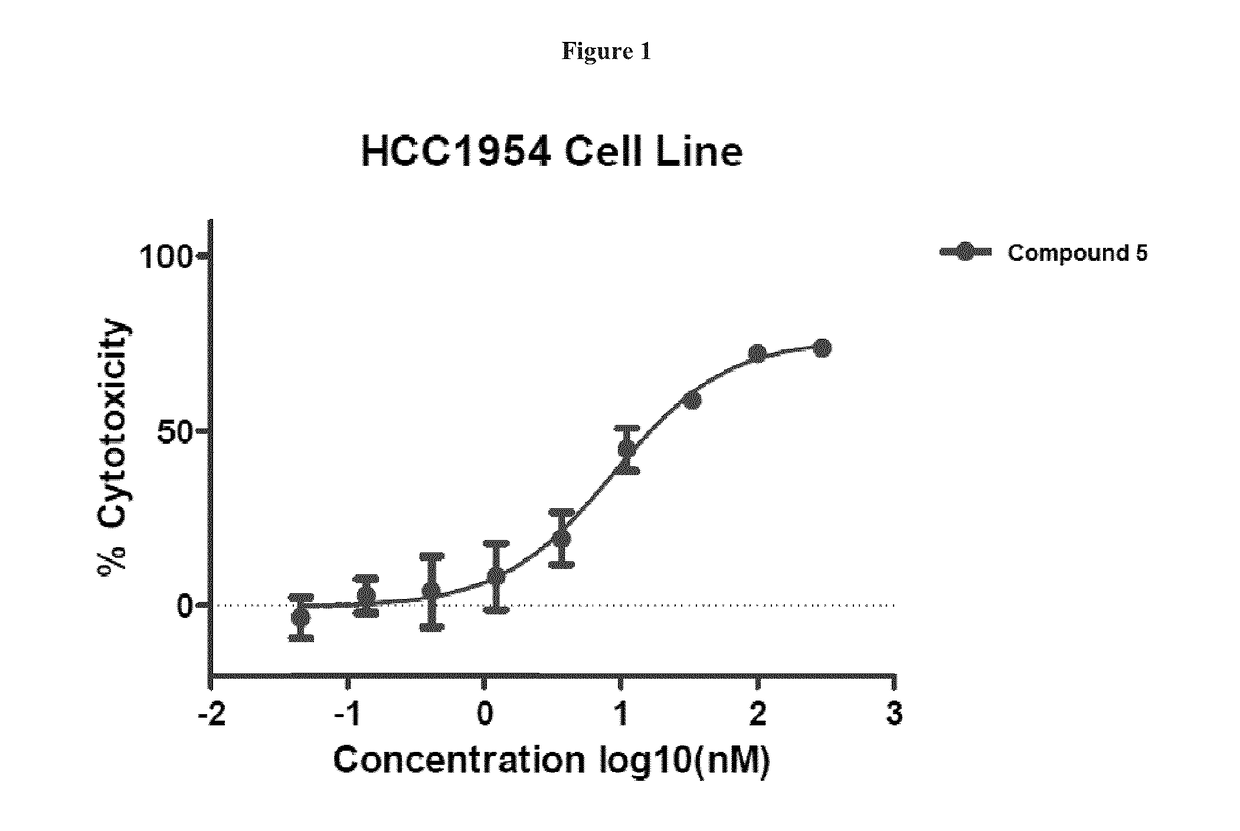
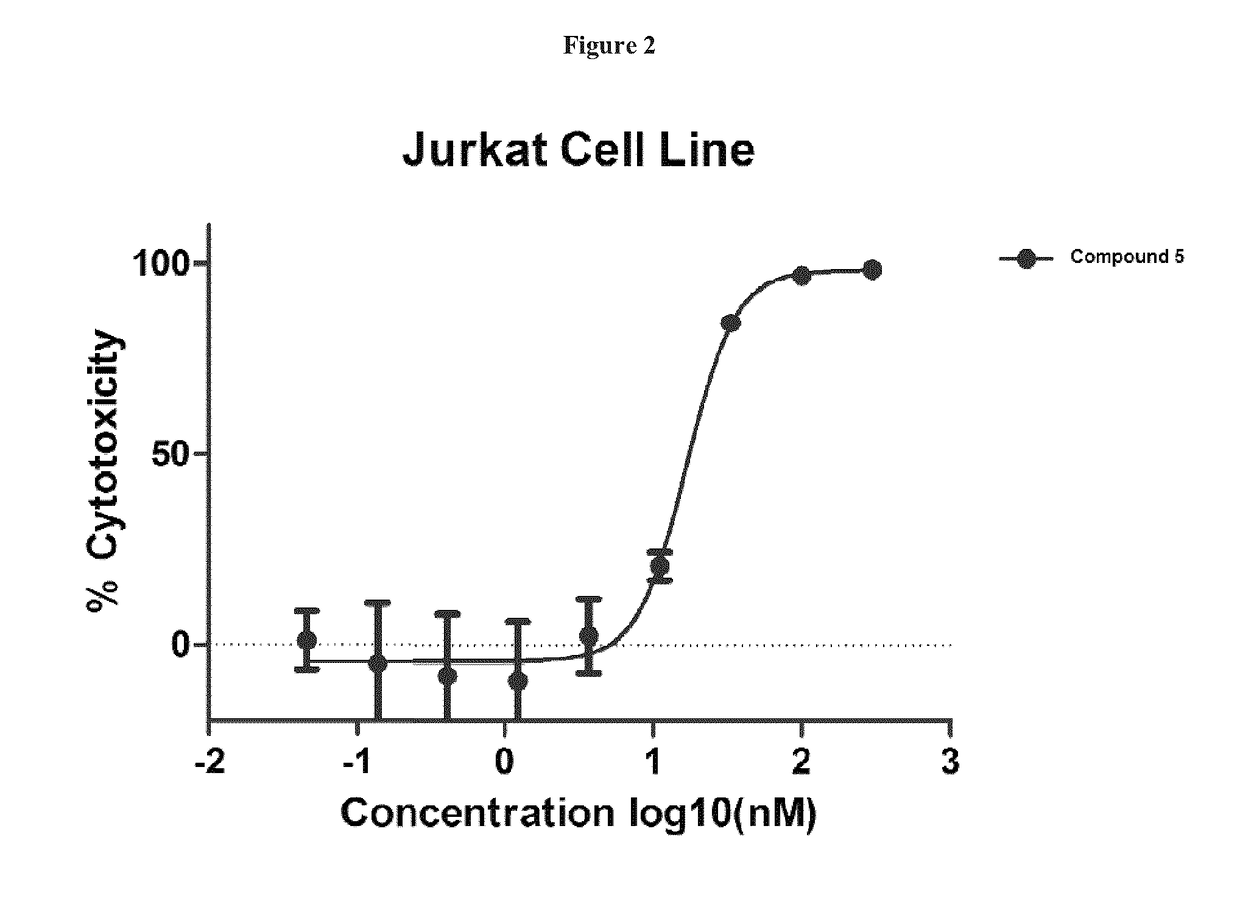
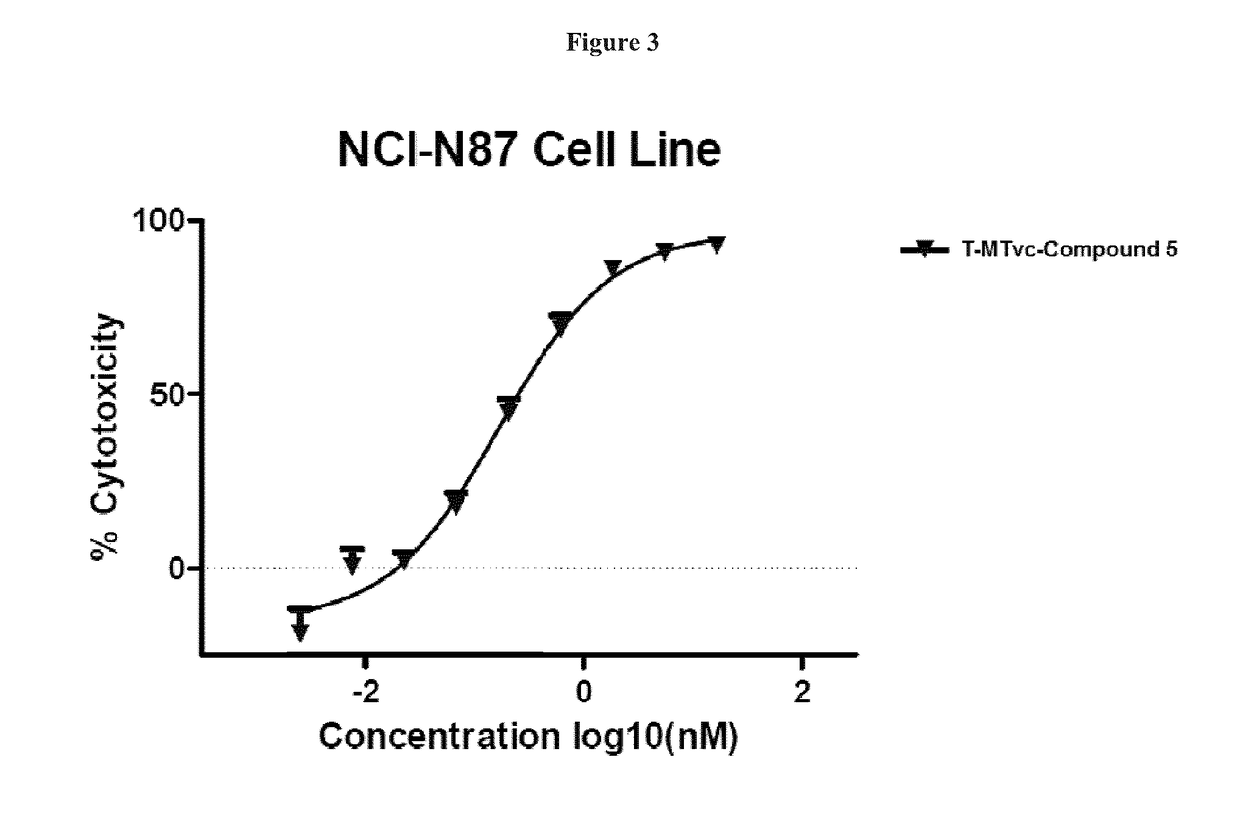
Examples
example 1
ynthetic Procedures
[0659]
example 1.1
cedure 1—Trifluoroacetamide Installation
[0660]To a stirred suspension of the amine in 1,4-dioxane was added trifluoroacetic anhydride (1.1 equivalents). The reaction mixture transitioned from a suspension to a solution and back to a suspension again. The progress of the reaction was monitored by TLC and / or HPLC-MS for completion. Once the starting material was fully consumed, the reaction was diluted with hexanes or diethyl ether, filtered on a Buchner funnel and the resulting solids were dried under reduced pressure to give the pure trifluoroacetamide.
example 1.2
cedure 2
[0661]Method A: DCC / DMAP Mediated N-Acyl Sulfonamide Formation.
[0662]To a stirred solution of the acid in dichloromethane was added a solution of the sulfonamide (1.3 equivalents, in dichloromethane, N,N-dimethylformamide, or a mixture thereof, as necessary). Dicyclohexylcarbodiimide (1.2 equivalents) was added and subsequently N,N-dimethylaminopyridine (1.2 equivalents). Reaction course was monitored by HPLC-MS (typically 16 h) and excess by-products could be precipitated by the addition of diethyl ether. Solids were removed by filtration and washed with 1:1 diethyl ether / dichloromethane. The combined organic layers were concentrated, and the residue was purified by silica gel chromatography or optionally prep-HPLC to give the desired N-acyl sulfonamide.
[0663]Method B: DCC or EDCI / DMAP Mediated N-Acyl Sulfonamide Formation.
[0664]To a stirred solution of the acid in dichloromethane, ethyl acetate or a mixture thereof was added a solution of the sulfonamide (1.3 equivalents, ...
PUM
| Property | Measurement | Unit |
|---|---|---|
| Ra | aaaaa | aaaaa |
| composition | aaaaa | aaaaa |
| structures | aaaaa | aaaaa |
Abstract
Description
Claims
Application Information
 Login to View More