

Soft measurement method of reducing power quality index in process of calcinating lithopone
An achromatic, zinc-barium-white technology, applied in special data processing applications, instruments, electrical digital data processing, etc., can solve problems such as increasing model complexity and increasing data noise sensitivity, reducing input dimensions, The effect of speeding up training and reducing environmental pollution
Patent Information
- Authority / Receiving Office
- CN · China
- Patent Type
- Patents(China)
- Current Assignee / Owner
- Publication Date
- 2012-07-18
- Estimated Expiration
- Not applicable · inactive patent
Smart Images
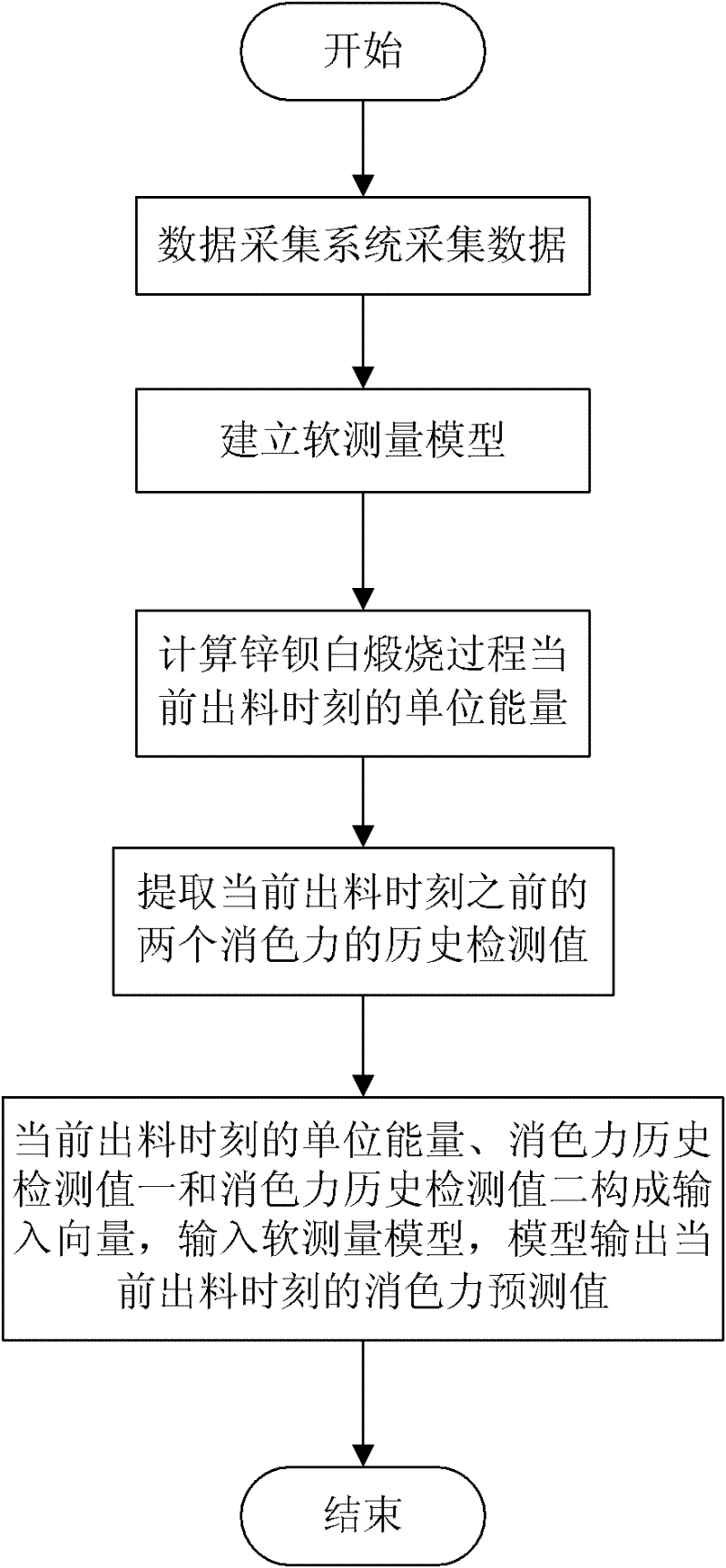
Figure 1 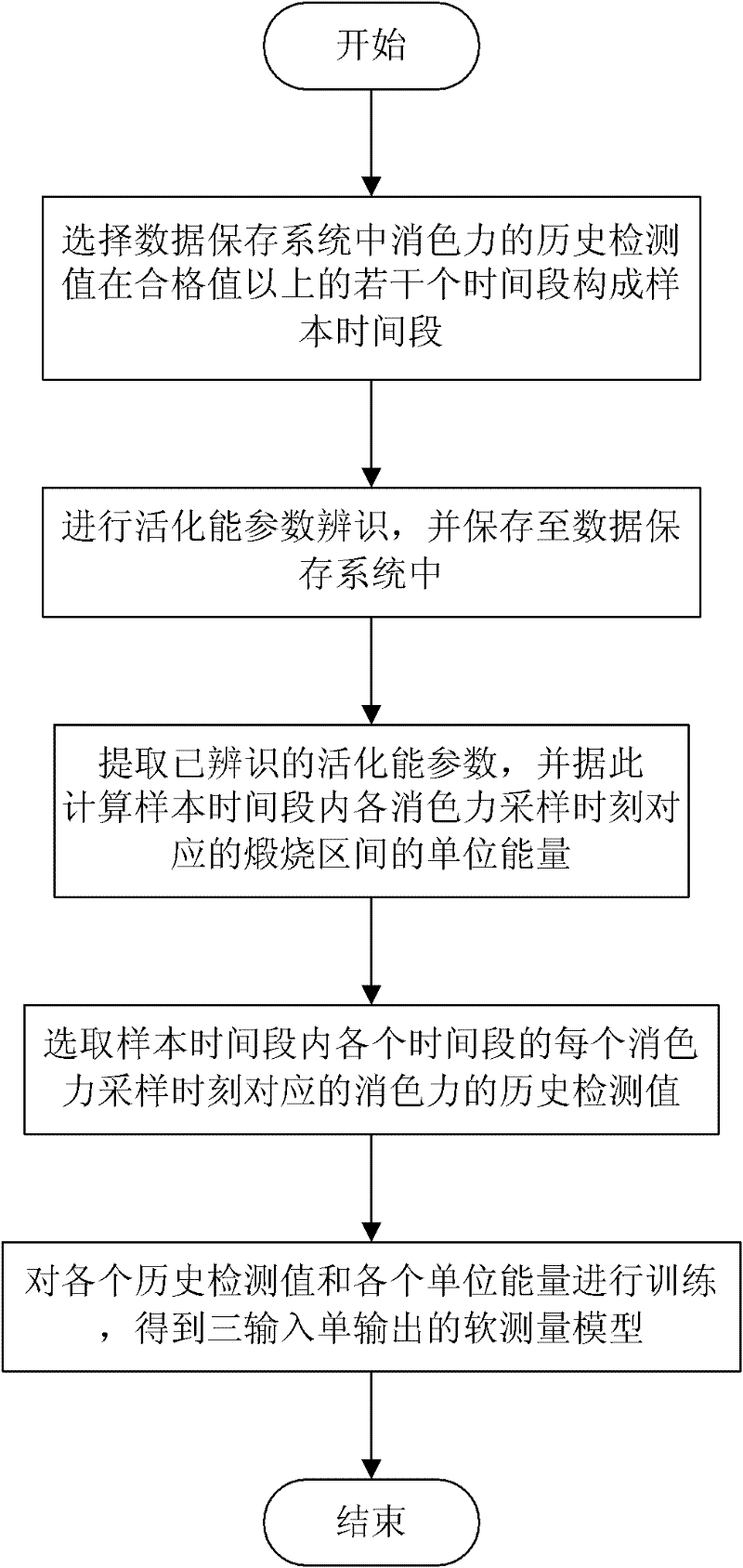
Figure 2 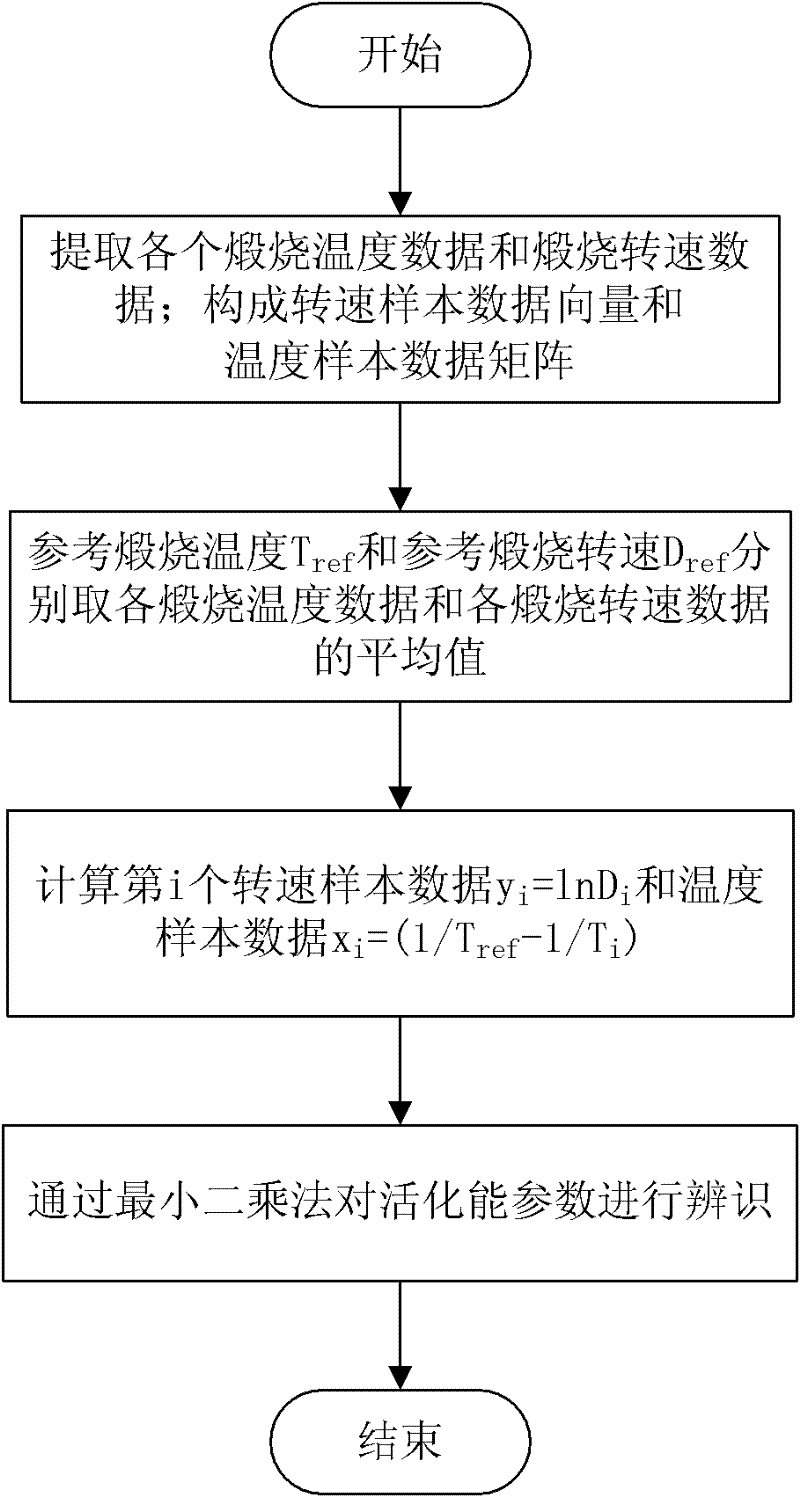
Figure 3
Abstract
Description
technical field
[0001] The invention relates to the measurement and control technology of the calcination process in the process industry, in particular to a soft measurement method for the quality index of the achromatic power in the calcination process of zinc-barium white. Background technique
[0002] Due to the lack of suitable sensors, the quality indicators of many products in the process industry cannot be measured online, but need to be determined offline in the laboratory. This method is time-consuming and labor-intensive, and more importantly, the product quality index cannot be incorporated into the closed-loop system for automatic control, and stable product quality index is an important goal of most process industry processes. The existing practice is to select several key variables that can be measured online that affect product quality indicators for automatic control, thereby indirectly stabilizing product quality. However, in practical applications, there ...
Examples
Embodiment 1
[0055] like figure 1 As shown, the soft measurement method of the color reduction power of the lithopone calcining process comprises the following steps:
[0056] (1) collect the calcining temperature data in the lithopone calcining process through the thermocouple in the data acquisition system, collect the calcining rotational speed data in the lithopone calcining process through the speed sensor in the data acquisition system, and The calcining temperature data and calcining speed data are saved to the data storage system in the control computer through the transmitter and the programmable logic controller; the historical detection values of the decolorization power are collected manually, and the history of the decolorization power is input into the data storage system detection value;
[0057] (2) Select the sample time period, through the unit energy of the calcination interval corresponding to each decolorizing power sampling moment in the sample time period and the ...
Embodiment 2
[0095] The features of this embodiment are the same as those of Embodiment 1 except for the following features: the sampling period for the manual collection of the historical detection value of the achromatic power is 2 hours, and the calcination temperature data and the calcination rotational speed data in the calcination process are The acquisition period was 5 minutes.
[0096] In the step (2-1), the sample time period is a sample time period composed of ten time periods in which the historical detection value of achromatic power in the data storage system is above the qualified value;
[0097] In the step (2-2-3), m is the total number of calcination temperature data or calcination rotational speed data, and m is taken as 200.
Embodiment 3
[0099] The features of this embodiment are the same as those of Embodiment 1 except for the following features: the sampling period for the manual collection of the historical detection value of achromatic power is 1.5 hours, the calcination temperature data and the calcination rotational speed data in the calcination process The acquisition period was 3 minutes.
[0100] In the step (2-1), the sample time period is a sample time period composed of twenty time periods in which the historical detection value of achromatic power in the data storage system is above the qualified value;
[0101] In the step (2-2-3), m is the total number of calcination temperature data or calcination rotational speed data, and m is taken as 160.