
Recombinant human autoantigen Scl-70
A self-antigen, nucleic acid sequence technology, applied in the field of recombinant human self-antigen, can solve the problems of difficulty in extraction and purification of natural human antigens, limited development of ANA detection reagents, and difficulty in obtaining high-purity samples, and achieves strong reactivity, easy expression and The effect of purification and low cost of use
Patent Information
- Authority / Receiving Office
- CN · China
- Current Assignee / Owner
- Publication Date
- 2015-11-18
- Estimated Expiration
- Not applicable · inactive patent
Smart Images
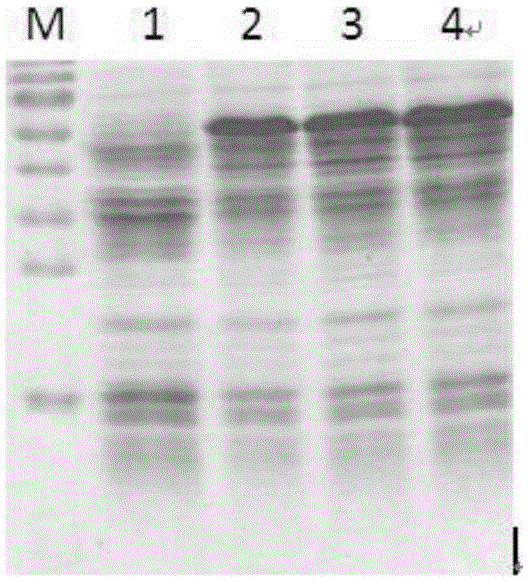
Figure 1 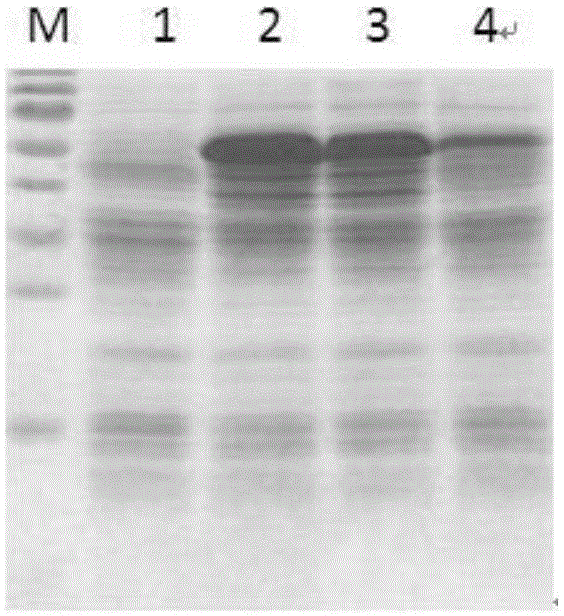
Figure 2 
Figure 3
Abstract
Description
technical field
[0001] The invention relates to a recombinant human autoantigen. Background technique
[0002] Autoimmune diseases (Autoimmune Diseases, AID) generally refer to the body's immune effector cells or immune effector molecules, which have abnormal immune responses against their own tissues or cells, resulting in tissue damage or dysfunction. Systemic system, a disease that seriously endangers human health, has a high disability rate, and a high fatality rate.
[0003] Among the various detection items of AID disease, since antinuclear antibody (ANA) is closely related to AID and is an important target of autoimmune response, antinuclear antibody detection has always been in an important position in AID disease and is a clinical Very important screening test. With the continuous deepening of people's understanding, the definition of antinuclear antibody (Antinuclearantibody, ANA) has been extended from the original traditional nucleus to the current whole cell, ...
Examples
Embodiment 1
[0032] Example 1: IPTG concentration is 0.2mM
[0033] The recombinant expression plasmid was introduced into Escherichia coli BL21 competent cells, and positive transformants were selected and inoculated in LB liquid medium containing kanamycin, and cultured overnight at 37°C on a shaking table. The next day, inoculate in 300ml of fresh same culture medium at a ratio of 1:100, culture on a shaker at 37°C until the A600 is 0.4-0.6, put the bacteria solution on ice for 30min, then add IPTG to a final concentration of 0.2mM, and overnight at 20°C induced expression.
Embodiment 2
[0034] Embodiment 2: IPTG concentration is 0.6mM
[0035] The recombinant expression plasmid was introduced into Escherichia coli BL21 competent cells, and positive transformants were selected and inoculated in LB liquid medium containing kanamycin, and cultured overnight at 37°C on a shaking table. The next day, inoculate 300ml of the same fresh culture medium at a ratio of 1:100, culture on a shaker at 37°C until the A600 is 0.4-0.6, put the bacteria in an ice bath for 30min, then add IPTG to a final concentration of 0.6mM, and overnight at 20°C induced expression.
Embodiment 3
[0036] Embodiment 3: IPTG concentration is 1.0mM
[0037] The recombinant expression plasmid was introduced into Escherichia coli BL21 competent cells, and positive transformants were selected and inoculated in LB liquid medium containing kanamycin, and cultured overnight at 37°C on a shaking table. The next day, inoculate 300ml of the same fresh culture medium at a ratio of 1:100, culture on a shaker at 37°C until the A600 is 0.4-0.6, put the bacteria in an ice bath for 30min, then add IPTG to a final concentration of 1.0mM, and overnight at 20°C induced expression.
[0038] The expression results induced by different IPTG concentrations are as follows: figure 1 shown. figure 1 Middle, M: Protein Marker, the size from top to bottom is 130KD, 95KD, 72KD, 55KD, 43KD, 34KD, 26KD, 17KD, 10KD, 1: blank control without adding IPTG, 2: adding 0.2mMIPTG, 3: adding 0.6mMIPTG, 4: add 1.0mMIPTG
[0039] from figure 1 It can be seen that after adding IPTG, the recombinant human auto...