
A fire-resistant and flame-retardant rail transit communication cable
A technology for rail transit and communication cables, applied in the direction of communication cables, insulated cables, cables, etc., can solve the problems of large attenuation changes of optical fibers, loss of the function of transmitting information, and the inability of the flame-retardant sheath to effectively block heat transfer. Effects of reducing heat, maintaining luminosity, and promoting rearrangement of ions
Patent Information
- Authority / Receiving Office
- CN · China
- Patent Type
- Patents(China)
- Current Assignee / Owner
- Publication Date
- 2018-10-02
Smart Images
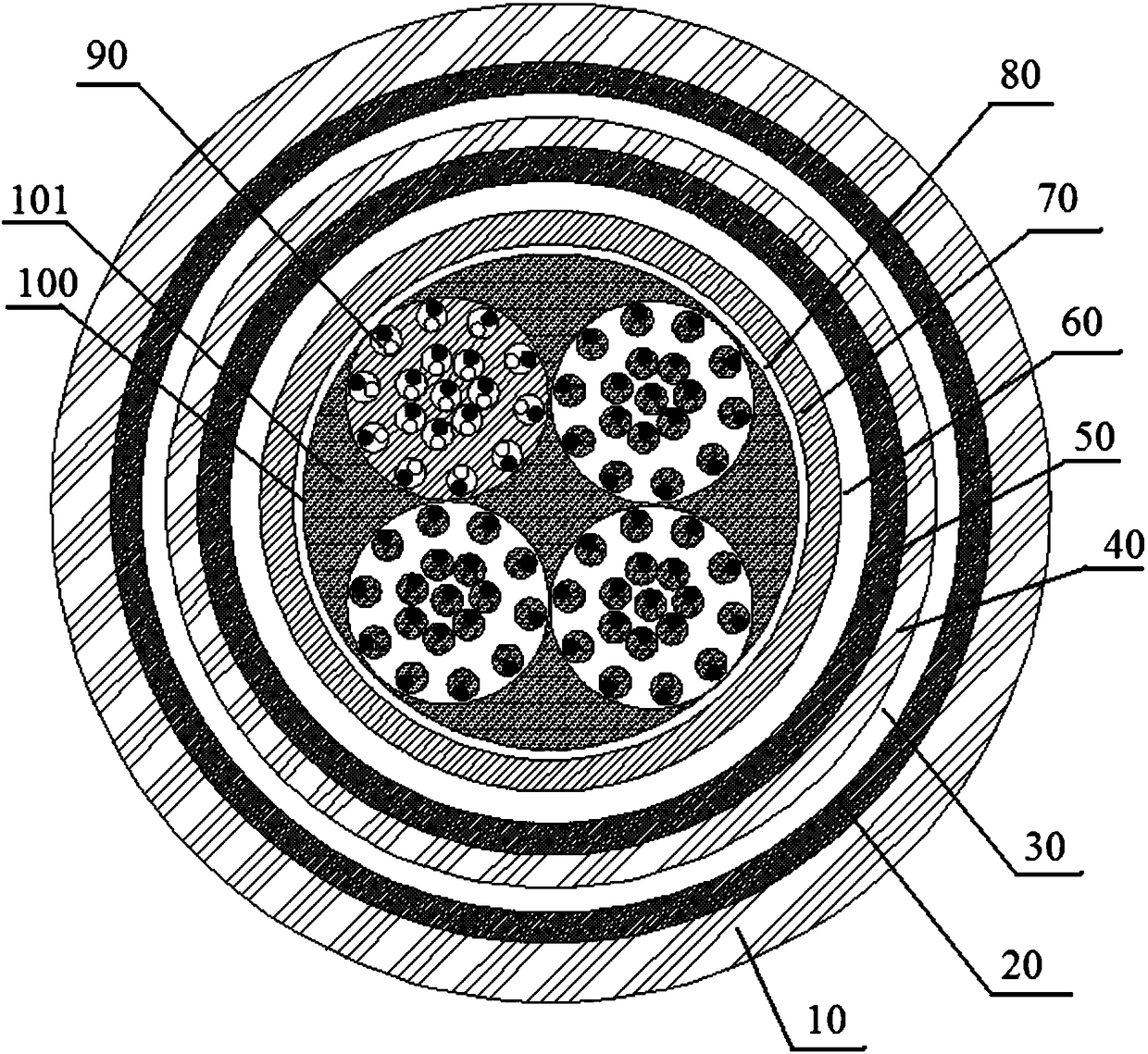
Figure 1 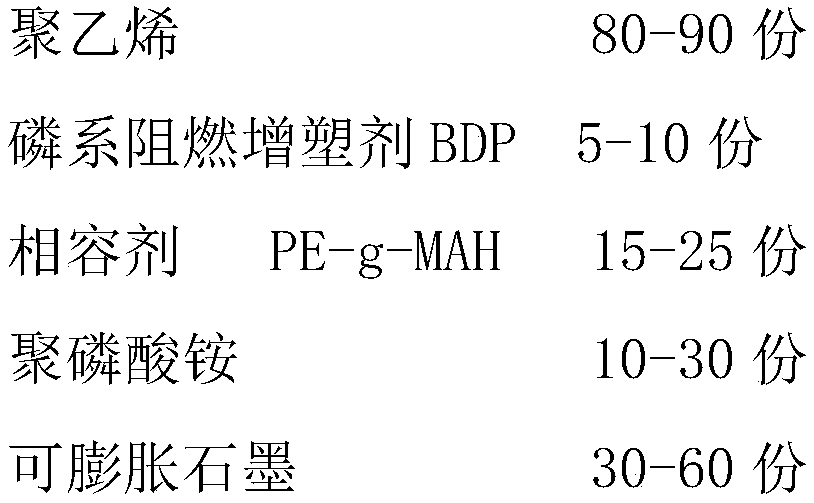
Figure 2 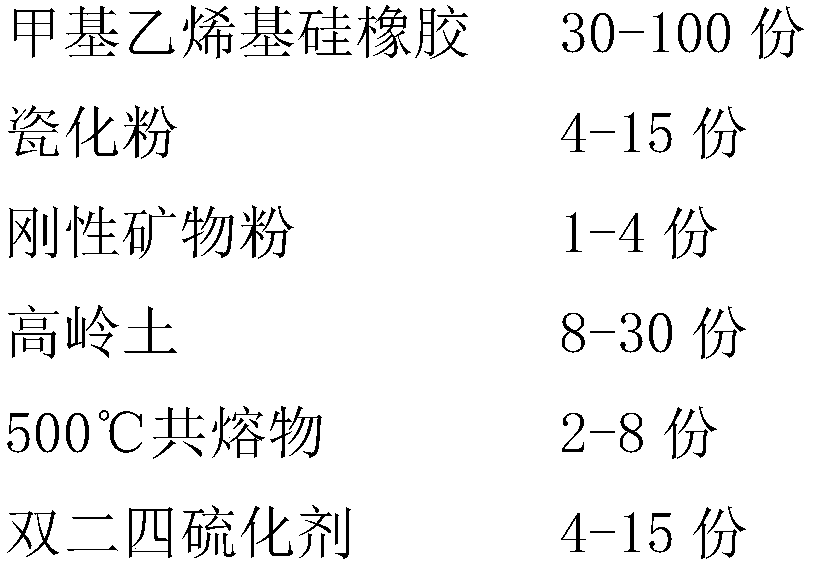
Figure 3
Abstract
Description
technical field
[0001] The invention relates to the field of communication cables, in particular to a fire-resistant and flame-retardant rail transit communication cable. Background technique
[0002] Rail transit has the characteristics of dense concentration of people, large flow of people, and restrictions on the entrance and exit of passages. Therefore, affected by the particularity of the rail transit environment, the safety requirements for rail transit construction are the highest. Once a fire occurs in rail transit, the power communication system will be interrupted immediately, and all lighting and communication will be interrupted. It is necessary for the communication cable to have good fire-resistant characteristics, effectively improve the overload capacity of the line, especially in the event of a fire, to ensure the integrity of the line within a certain period of time, and to meet the emergency treatment of firefighting. In addition to the high requirements f...
Examples
Embodiment 1
[0030] refer to figure 1 As shown, the structure of the communication cable in Example 1 includes from the outside to the inside: a low-smoke, halogen-free outer sheath 10, a first refractory layer 20, a high magnetic permeability steel tape armor layer 30, a low-smoke, halogen-free inner sheath Sheath 40, second refractory layer 50, aluminum sheath 60, PE heat insulation layer 70, water blocking layer 80, several strands of stranded insulating core wires 90, the above stranded insulating core wires 90 are covered by wrapping polyester tape 100 The grease 101 is filled between the stranded insulating core wire 90 and the wrapping polyester tape 100 , and the stranded insulating core wire 90 is covered with an insulating layer.
[0031] The communication cable of this embodiment has a double-layer fire-resistant layer in structure, and the structure is from the outside to the inside, and the layers are flame-retardant. The outer sheath can absorb most of the heat. The first fir...
Embodiment 2
[0042] The structure of the communication cable in Embodiment 2 is the same as in Embodiment 1, wherein the above-mentioned low-smoke, halogen-free outer sheath 10 and low-smoke, halogen-free inner sheath 40 are both low-smoke, halogen-free polyethylene materials, calculated in parts by weight , the formulation of the above-mentioned low-smoke halogen-free polyethylene material is shown in Table 3.
[0043] Low-smoke halogen-free polyethylene material formula table in the embodiment 2 of table 3
[0044] components
Content (parts by weight)
polyethylene
85
Phosphorous Flame Retardant Plasticizer BDP
7
Compatibilizer PE-g-MAH
20
20
expandable graphite
40
[0045]Among them, in the above formula, the weight ratio of ammonium polyphosphate to expandable graphite is 1:3, ammonium polyphosphate and expandable graphite are synergistically flame-retardant in low-smoke halogen-free polyethylene ...
Embodiment 3
[0053] The structure of the communication cable in Embodiment 3 is the same as that in Embodiment 1, wherein the above-mentioned low-smoke, halogen-free outer sheath 10 and low-smoke, halogen-free inner sheath 40 are both low-smoke, halogen-free polyethylene materials, calculated in parts by weight , the formulation of the above-mentioned low-smoke halogen-free polyethylene material is shown in Table 5.
[0054] The low-smoke halogen-free polyethylene material formula table in the embodiment 3 of table 5
[0055] components
Content (parts by weight)
polyethylene
90
Phosphorous Flame Retardant Plasticizer BDP
10
Compatibilizer PE-g-MAH
25
Ammonium polyphosphate
30
expandable graphite
60
[0056] Among them, in the above formula, the weight ratio of ammonium polyphosphate to expandable graphite is 1:3, ammonium polyphosphate and expandable graphite are synergistically flame-retardant in low-smoke halogen-free po...