
Application of injectable microRNA activated hydrogel to promotion of healing of alveolar bone for implant tooth
A technology for activating water and alveolar bone, applied in the field of biomedical tissue engineering materials, can solve the problems of lack, lack of osteogenesis and osteoinductivity, improve the quality of bone formation, and solve the problem of lack of osteogenesis and osteoinduction of bone powder The effect of sex and efficient delivery
Patent Information
- Authority / Receiving Office
- CN · China
- Patent Type
- Applications(China)
- Current Assignee / Owner
- Publication Date
- 2018-03-27
- Estimated Expiration
- Not applicable · inactive patent
Smart Images
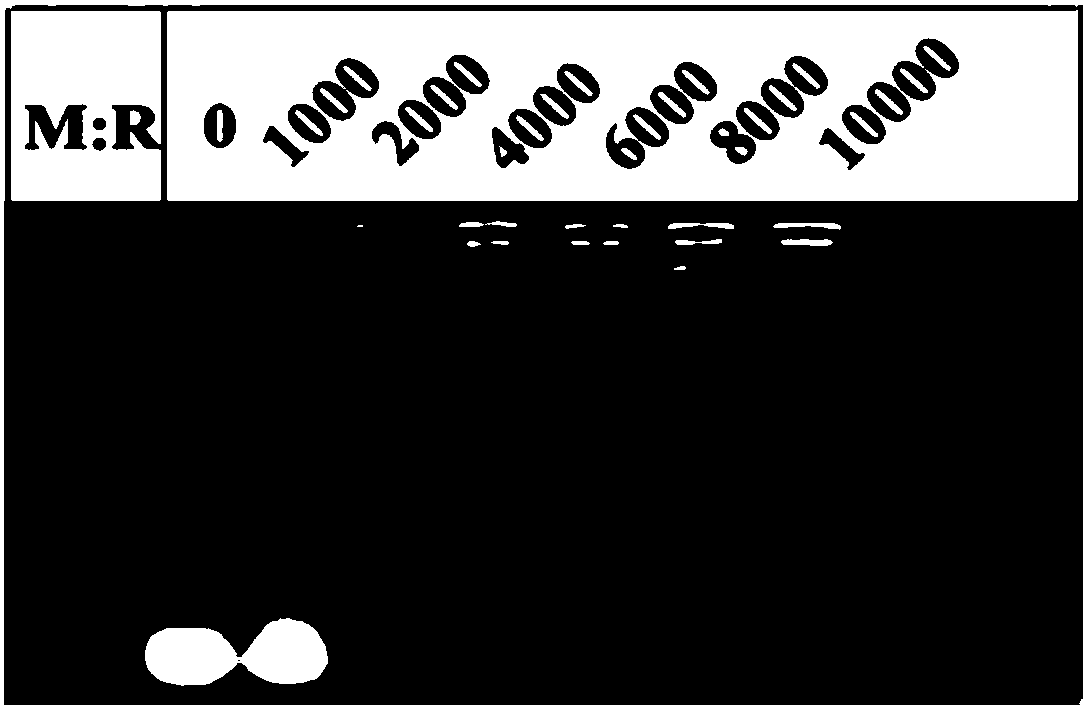
Figure 1 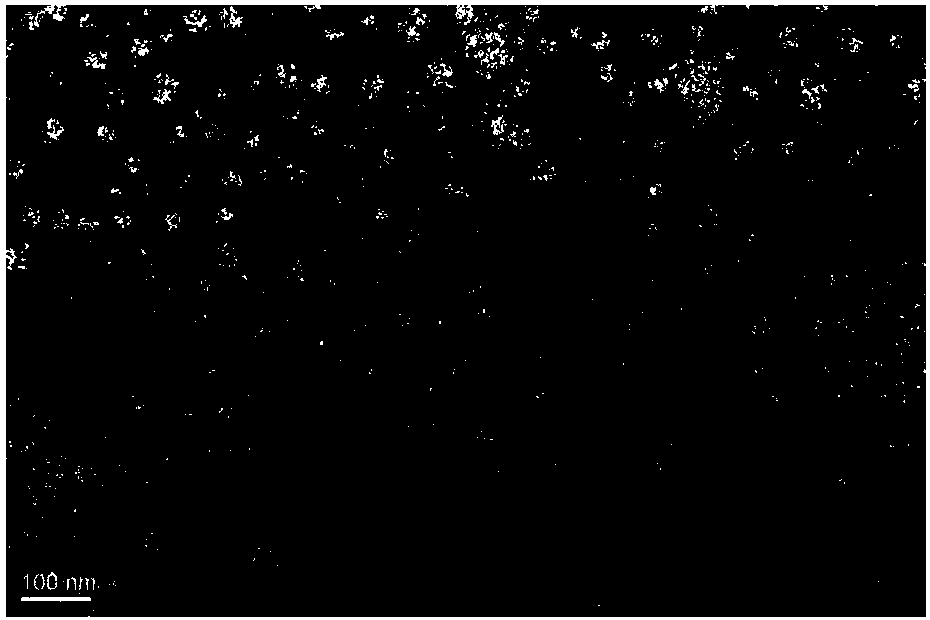
Figure 2 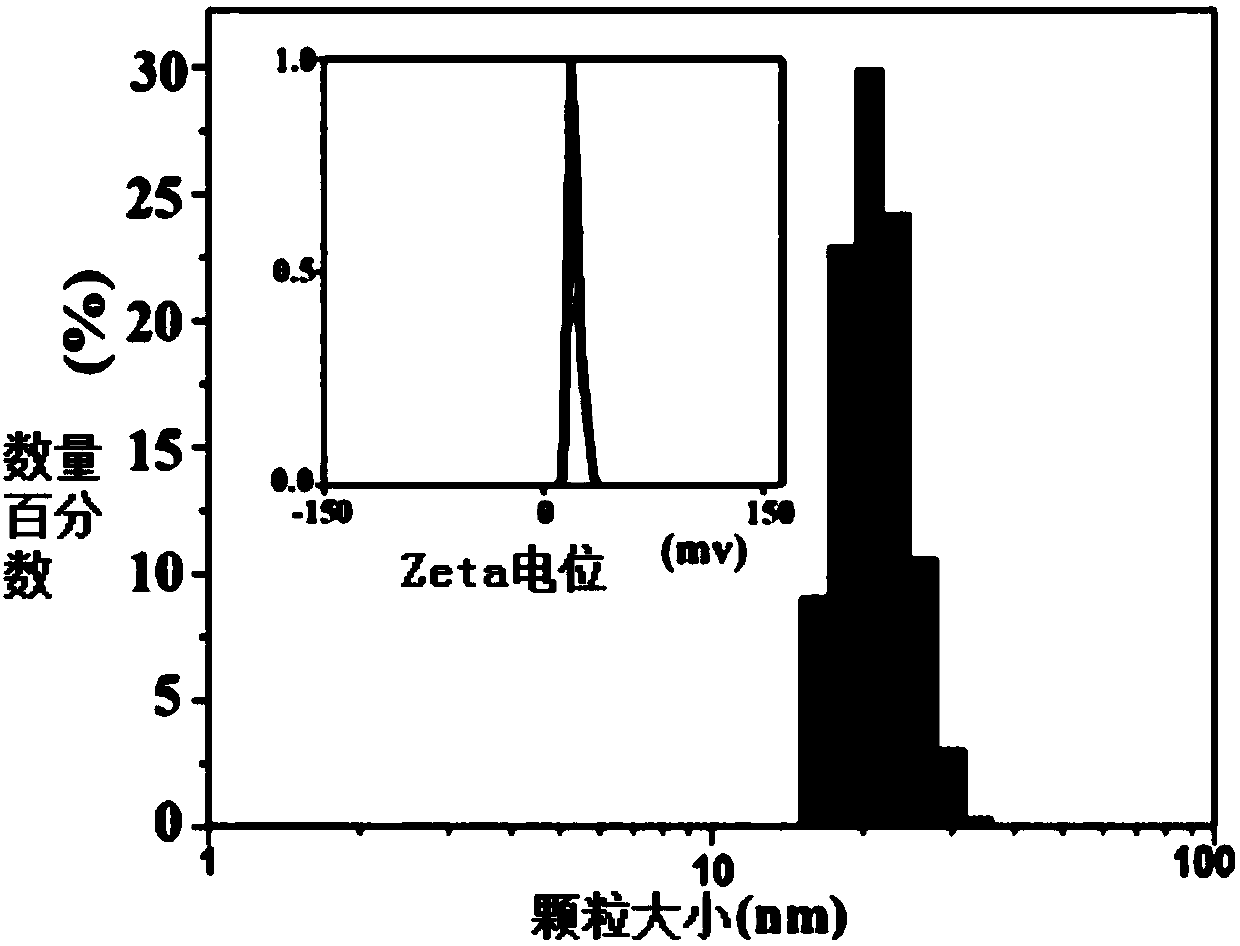
Figure 3
Abstract
Description
technical field
[0001] The invention belongs to the technical field of biomedical tissue engineering materials, and more specifically relates to a preparation method of microRNA nanometer microcapsules and material compounding and application thereof. Background technique
[0002] At present, oral implant restoration is the best method for repairing dentition defect or loss, but its curative effect is largely limited by local alveolar bone quality and bone mass. Oral implants are performed. Especially for patients with severe chronic periodontitis, and systemic diseases such as osteoporosis and diabetes, if they want to perform oral implants, the problem of alveolar bone tissue regeneration must be solved, and this problem is an urgent clinical need. A big problem to solve. For this reason, many experts and scholars have studied a variety of methods, although some effects have been obtained, but there are still many deficiencies. Currently, the commonly used bone defect r...
Examples
Embodiment 1
[0054] Example 1—preparation of MicroRNA nanocapsules, MicroRNA selects microRNA-21
[0055] Dissolve microRNA-21 at a concentration of 20 μM in 10 μl of RNase-depleted water. Add monomers N-(3-aminopropyl)methacrylamide and acrylamide to deoxygenated RNase-free double-distilled water, and control the molar ratio of the monomer to microRNA-21 to be (the ratio of the amount of substances) 2000: 1. Add the crosslinking agent ethylene glycol dimethacrylate according to the molar ratio of N-(3-aminopropyl)methacrylamide, acrylamide and ethylene glycol dimethacrylate in a ratio of 1:1:1 , put the microRNA-21 solution in a 200 μL microcentrifuge tube and use magnetic stirring to mix evenly. Under the condition of continuous stirring and dispersion (150-200 revolutions per minute), the positively charged monomers are separated by electrostatic interaction and hydrogen bond interaction. , neutral monomers and cross-linkers are enriched around the microRNA-21 molecule. Then add initi...
Embodiment 2
[0060] Example 2—Preparation of MicroRNA nanocapsules-bone meal composite material
[0061] Select the MicroRNA nano-microcapsule solution (dispersion system) prepared in Example 1 and the Bio-oss bone powder with a diameter of 1mm, mix the Bio-oss bone powder and microRNA-21 nano-microcapsule solution at a volume ratio of 50:1, and soak for 2h Take it out for later use.
Embodiment 3
[0062] Embodiment 3—preparation of MicroRNA nano-microcapsules-chitosan composite material
[0063] 300mg carboxymethyl chitosan (80% carboxymethyl degree, number average molecular weight 40000) powder adding 1mL above-mentioned concentration is in the microRNA-21 nanometer microcapsule solution of 5 μ M (the MicroRNA nanometer microcapsule solution prepared in embodiment 1 (dispersion System)), shaking and stirring until the carboxymethyl chitosan is completely dissolved. The obtained mixture was sucked into a syringe, placed in an ice cube for 30 min, then taken out, and placed at 4°C to obtain an injectable microRNA-activated hydrogel material.