
A Breeding Method for Analyzing Polygene Aggregation Effects of Improving Lamb Size in Goats
A litter size and multi-gene technology, which is applied in biochemical equipment and methods, microbial measurement/inspection, DNA/RNA fragments, etc., can solve the problems of low breeding efficiency, time-consuming, poor selection effect of single gene molecular markers, etc. , to achieve the effect of reducing breeding time, increasing litter size, and increasing genetic progress
Patent Information
- Authority / Receiving Office
- CN · China
- Patent Type
- Patents(China)
- Current Assignee / Owner
- Publication Date
- 2021-04-27
Smart Images
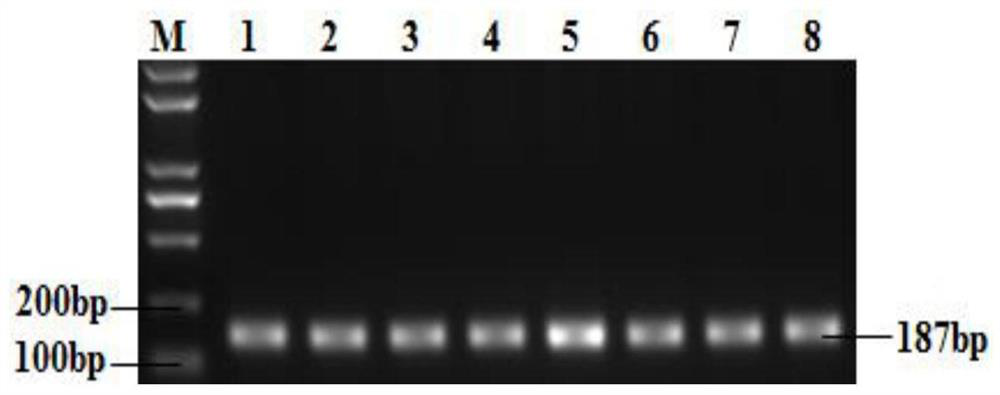
Figure 1 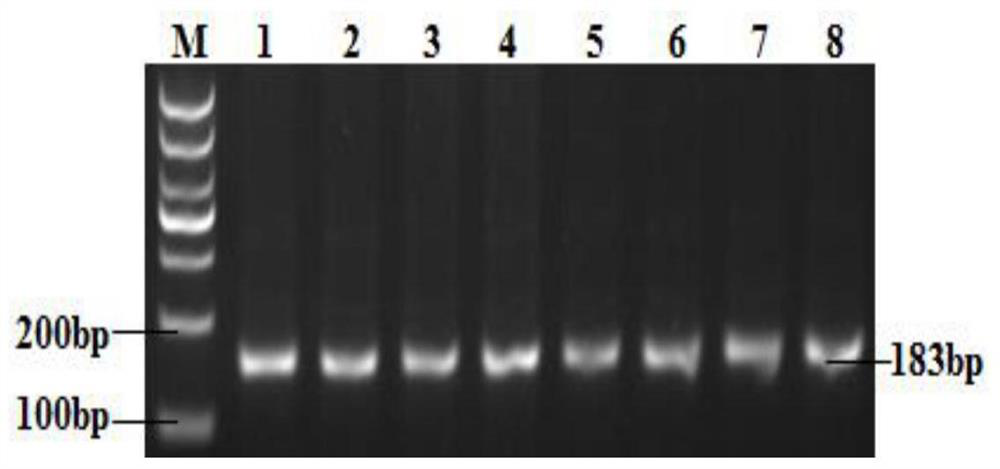
Figure 2 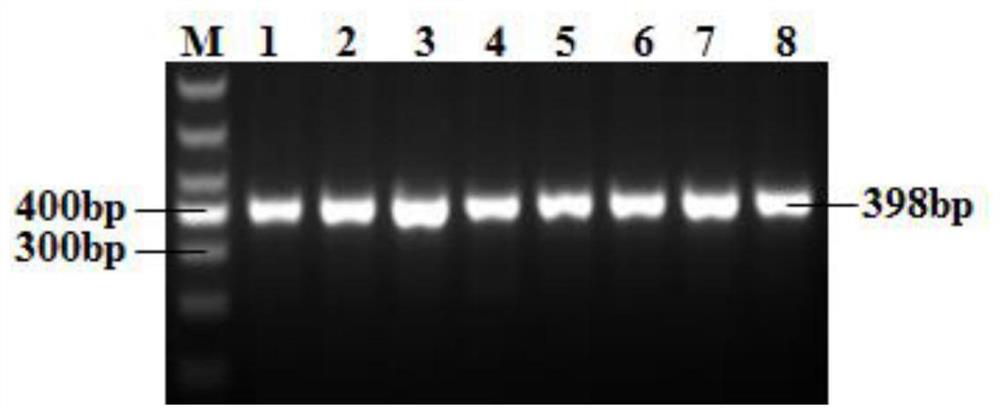
Figure 3
Abstract
Description
technical field
[0001] The invention belongs to the technical fields of goat molecular biotechnology and molecular markers, and in particular relates to a breeding method for analyzing the effect of multigene aggregation for increasing the litter size of goats. In the present invention, the aggregation effect analysis of the molecular marker and the litter size of goats is applied to the early breeding work of the litter size traits of goats. Background technique
[0002] At present, the degree of intensification of the goat industry is not high, most of them are free-range breeding, and the degree of improved breeds is low, the level of productivity is not high, and the economic benefits are not ideal. Therefore, the healthy and sustainable development of the sheep industry is a top priority. Reproductive traits are important economic traits. For breeding stock, fecundity is productivity, and reproductive performance is directly related to the economic effect of the mutton...
Examples
Embodiment 1
[0076] The establishment of the PCR-RFLP detection method of embodiment 1GnRHR gene
[0077] (1) Primer design
[0078] According to the goat GnRHR gene sequence (Gene ID on NCBI: 100860755), utilize Primer5.0 software to design a pair of primers, sequence is as follows:
[0079] GnRHR:
[0080] SEQ ID NO.4: Upstream primer PCR-F: 5'-TCTTGAAGCTGTATCAGCCATA-3';
[0081] SEQ ID NO.5: Downstream primer PCR-R: 5'-GTGTTGAAAATTGTGGAGAGTAGA-3'.
[0082] (2) PCR amplification system and program setting
[0083] PCR reaction system: 10 μL system contains 1 μL of genomic DNA template, 0.2 μL of upstream and downstream primers, 5 μL of TaqDNA polymerase, supplemented with deionized double-distilled water to the final volume.
[0084] PCR reaction program: pre-denaturation at 94°C for 2 min, 35 cycles (denaturation at 94°C for 30 s, annealing at 56°C for 30 s, extension at 72°C for 30 s), extension at 72°C for 5 min, and storage at 4°C.
[0085] The PCR reaction product was detected ...
Embodiment 2
[0102] The establishment of the PCR-HRM detection method of embodiment 2FSHR gene
[0103] (1) Primer design for high resolution melting curve (HRM)
[0104] According to the goat FSHR gene sequence (Gene ID on NCBI: 100861291), utilize Primer5.0 software to design a pair of primers, sequence is as follows:
[0105] FSHR:
[0106] SEQ ID NO.6: Upstream primer PCR-F: 5'-TACCAGCTCCCAACGCAGAC-3';
[0107] SEQ ID NO.7: Downstream primer PCR-R: 5'-GACAGAGTCGATGGTGGCAT-3'.
[0108] (2) High resolution melting curve (HRM) reaction conditions
[0109] Use 55-65°C temperature gradient PCR to understand the optimal annealing temperature of the primers to obtain specific PCR products and improve the sensitivity of high-resolution melting.
[0110] PCR reaction system (10 μL): DNA template 1 μL, upstream and downstream primers 0.3 μL, dye 5 μL, RNase-freewater 3.4 μL.
[0111]The PCR reaction program was: pre-denaturation at 94°C for 2 min, 40 cycles (denaturation at 94°C for 10 s, a...
Embodiment 3
[0129] The establishment of the PCR-RFLP detection method of embodiment 3BMP6 gene
[0130] (1) Primer design
[0131] According to the goat BMP6 gene sequence (Gene ID on NCBI: 100860793), utilize Primer5.0 software to design a pair of primers, sequence is as follows:
[0132] BMP6:
[0133] SEQ ID NO.8: Upstream primer PCR-F: 5'-TGTGCCCTCACCTGCTGTCTC-3';
[0134] SEQ ID NO.9: Downstream primer PCR-R: 5'-CCCGGCCTTCCTCTTTAACTC-3'.
[0135] (2) PCR amplification system and program setting
[0136] PCR reaction system: 10 μL system contains 1 μL of genomic DNA template, 0.2 μL of upstream and downstream primers, 5 μL of TaqDNA polymerase, supplemented with deionized double-distilled water to the final volume.
[0137] PCR reaction program: pre-denaturation at 94°C for 2 min, 35 cycles (denaturation at 94°C for 30 s, annealing at 59°C for 30 s, extension at 72°C for 30 s), extension at 72°C for 5 min, and storage at 4°C.
[0138] PCR reaction product is detected with 2% agar...