
Method for detecting enrofloxacin in water body
A technology for enrofloxacin and water body, which is applied in the field of analytical chemistry, can solve the problems of polluted environment, low sensitivity of electrochemical signal, and can not meet the accurate determination of trace enrofloxacin, etc., achieves high sensitivity, reduces overpotential, and detects method convenient effect
Patent Information
- Authority / Receiving Office
- CN · China
- Patent Type
- Applications(China)
- Current Assignee / Owner
- Publication Date
- 2021-01-15
Smart Images
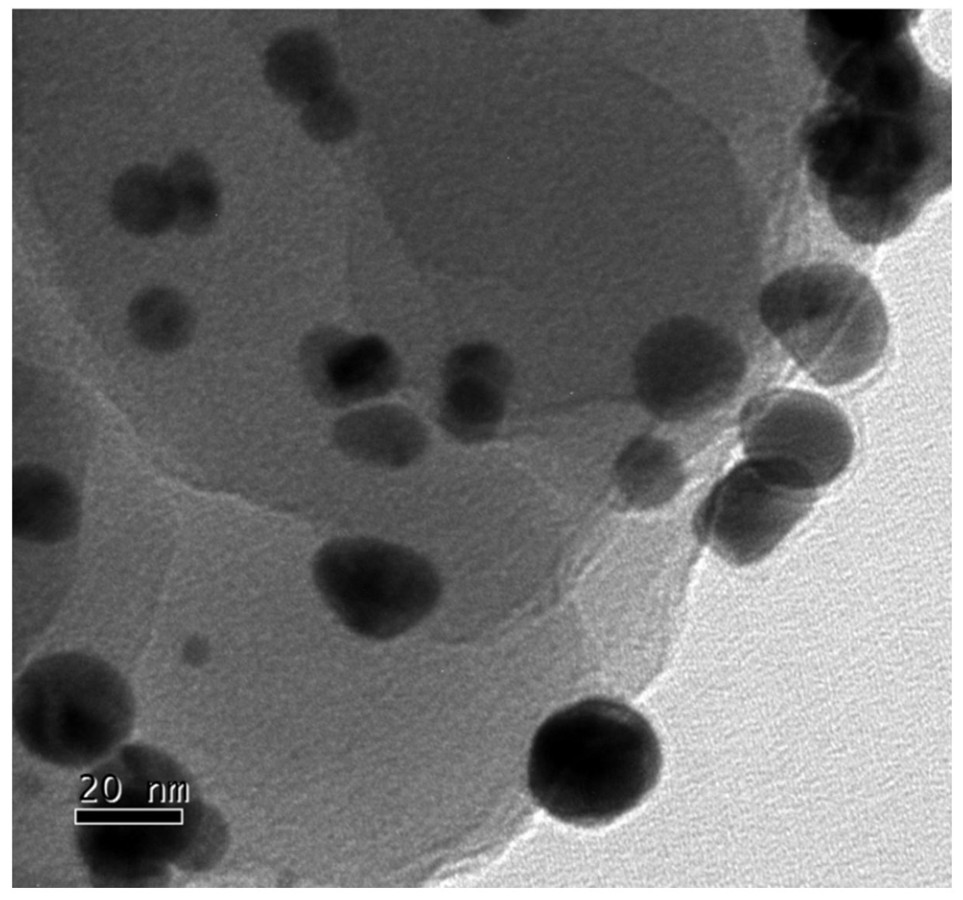
Figure 1 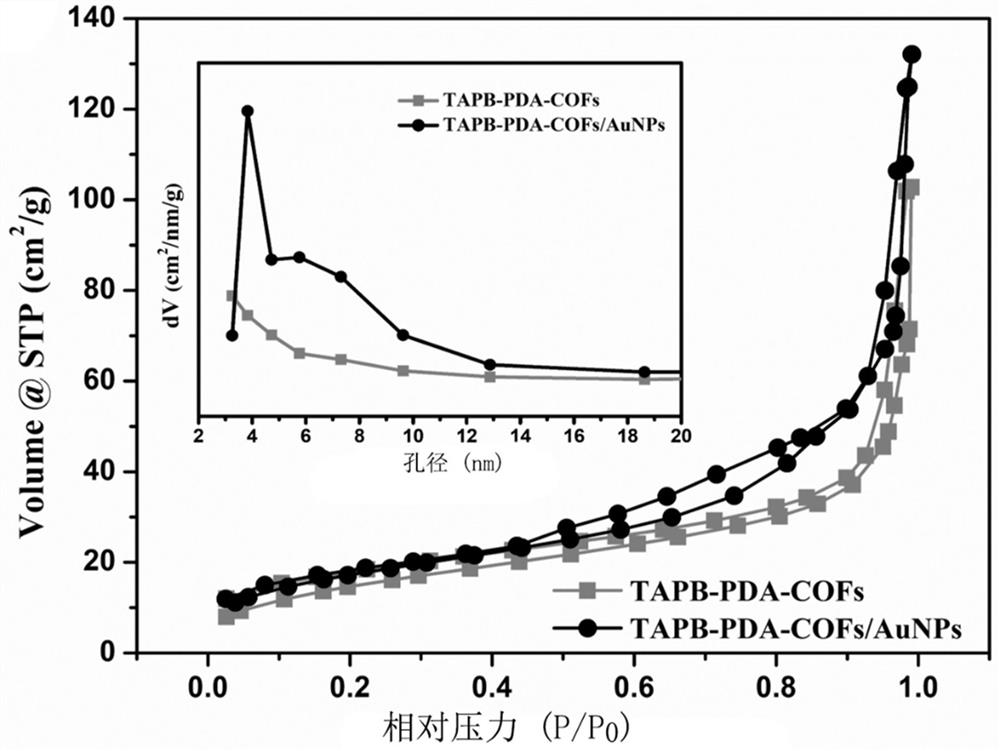
Figure 2 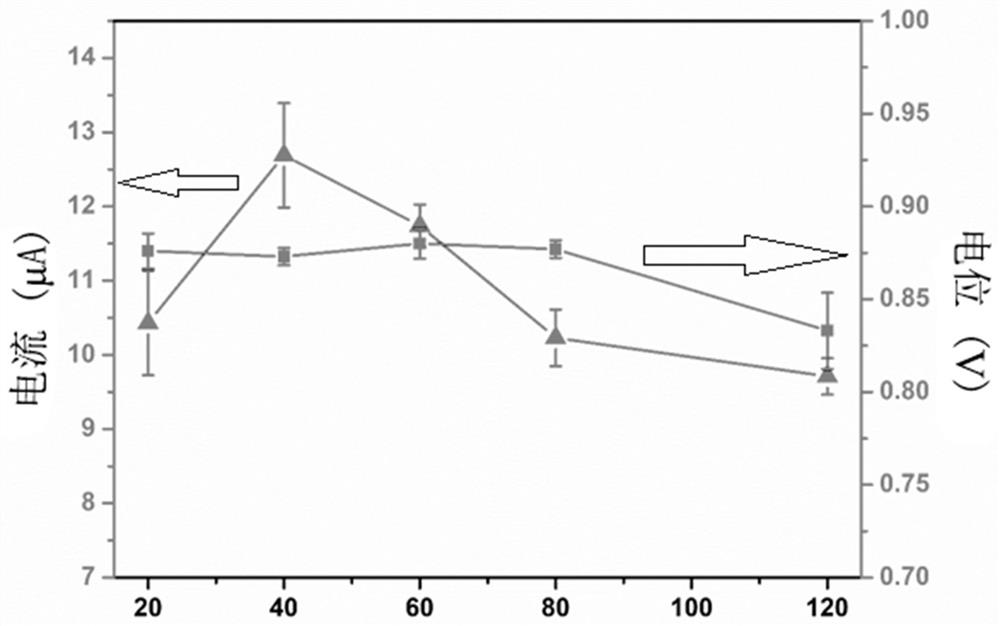
Figure 3
Abstract
Description
technical field
[0001] The invention belongs to the field of analytical chemistry, and in particular relates to a highly sensitive method for trace detection of enrofloxacin in water. Background technique
[0002] The third-generation quinolone enrofloxacin is only partially metabolized in the body, and part of the substrate and its metabolites are excreted through urine and feces. These residues may cause various toxic effects and pollute the environment. The toxicity of enrofloxacin includes allergy, immunopathology, mutagenicity, carcinogenicity, liver toxicity, kidney disease, abnormal reproductive function, bone marrow toxicity, and even human anaphylactic shock.
[0003] At present, the analysis and detection methods for antibiotics in the environment mainly include high-performance liquid chromatography, gas chromatography-mass spectrometry, liquid chromatography-mass spectrometry, capillary electrophoresis, and high-performance thin-layer chromatography. However, th...
Examples
Embodiment 1
[0047] The preparation of the modified electrode used in the detection of enrofloxacin in the water body of the present invention and the detection effect of the modified electrode on enrofloxacin under different incubation times:
[0048] (1) Preparation of TAPB-PDA-COFs: PDA (0.05 g) and TAPB (0.095 g) were added to 50 mL DMSO, ultrasonicated for 5 min to obtain a uniformly dispersed solution; under ultrasonic conditions, 1.8 mL acetic acid, sonicated for 10 min; then the reaction solution was sealed and incubated at room temperature for 30 min; finally centrifuged (10000 rpm for 10 min), washed (washed three times with tetrahydrofuran and methanol respectively), dried (dried at 55 °C under vacuum for 6 h) Grinding into powder, and the obtained TAPB-PDA-COFs powder is stored under dry conditions at room temperature until use.
[0049] (2) Preparation of TAPB-PDA-COFs / AuNPs composite material: Take 20 mg of TAPB-PDA-COFs powder prepared in step (1) into 20 mL of ultrapure wat...
Embodiment 2
[0054] The preparation of the modified electrode used in the detection of enrofloxacin in the water body of the present invention and the detection effect of the modified amount of the working electrode material on enrofloxacin:
[0055] (1) Preparation of TAPB-PDA-COFs: PDA (0.05 g) and TAPB (0.095 g) were added to 50 mL DMSO, ultrasonicated for 5 min to obtain a uniformly dispersed solution; then 1.8 mL of acetic acid was slowly added under ultrasonic conditions, and ultrasonically 10 min; then the reaction solution was sealed and incubated at room temperature for 30 min; finally centrifuged (10000 rpm for 10 min), washed (washed three times with tetrahydrofuran and methanol), dried (dried at 55 °C for 6 h under vacuum), Grinding into powder, the obtained TAPB-PDA-COFs powder is stored at room temperature and under dry conditions until use.
[0056] (2) Preparation of TAPB-PDA-COFs / AuNPs composite material: 20 mg of TAPB-PDA-COFs powder prepared in step (1) was added into 20...
Embodiment 3
[0061] A method for detecting enrofloxacin in water bodies of the present invention specifically comprises the following steps:
[0062] (1) Preparation of TAPB-PDA-COFs: PDA (0.05 g) and TAPB (0.095 g) were added to 50 mL DMSO, ultrasonicated for 5 min to obtain a uniformly dispersed solution; under ultrasonic conditions, 1.8 mL acetic acid, sonicated for 10 min; then the reaction solution was sealed and incubated at room temperature for 30 min; finally centrifuged (10000 rpm for 10 min), washed (washed three times with tetrahydrofuran and methanol respectively), dried (dried at 55 °C under vacuum for 6 h) Grinding into powder, and the obtained TAPB-PDA-COFs powder is stored under dry conditions at room temperature until use.
[0063] (2) Preparation of TAPB-PDA-COFs / AuNPs composite material: 20 mg of TAPB-PDA-COFs powder prepared in step (1) was added into 20 mL of ultrapure water, ultrasonically dispersed for 10 min; then 2.4 mL of 40 mM sodium citrate aqueous solution, he...