
Process for preparing isobutyryl chloride by adopting phosphorus trichloride
A technology of phosphorus trichloride and isobutyryl chloride, which is applied in the field of medicine, can solve the problems of incomplete catalyst catalysis, low product yield, and discharge of three wastes, and achieve the effects of convenient production and operation, reduction of pollution, and reduction of discharge of three wastes
Patent Information
- Authority / Receiving Office
- CN · China
- Current Assignee / Owner
- Publication Date
- 2021-02-12
Smart Images
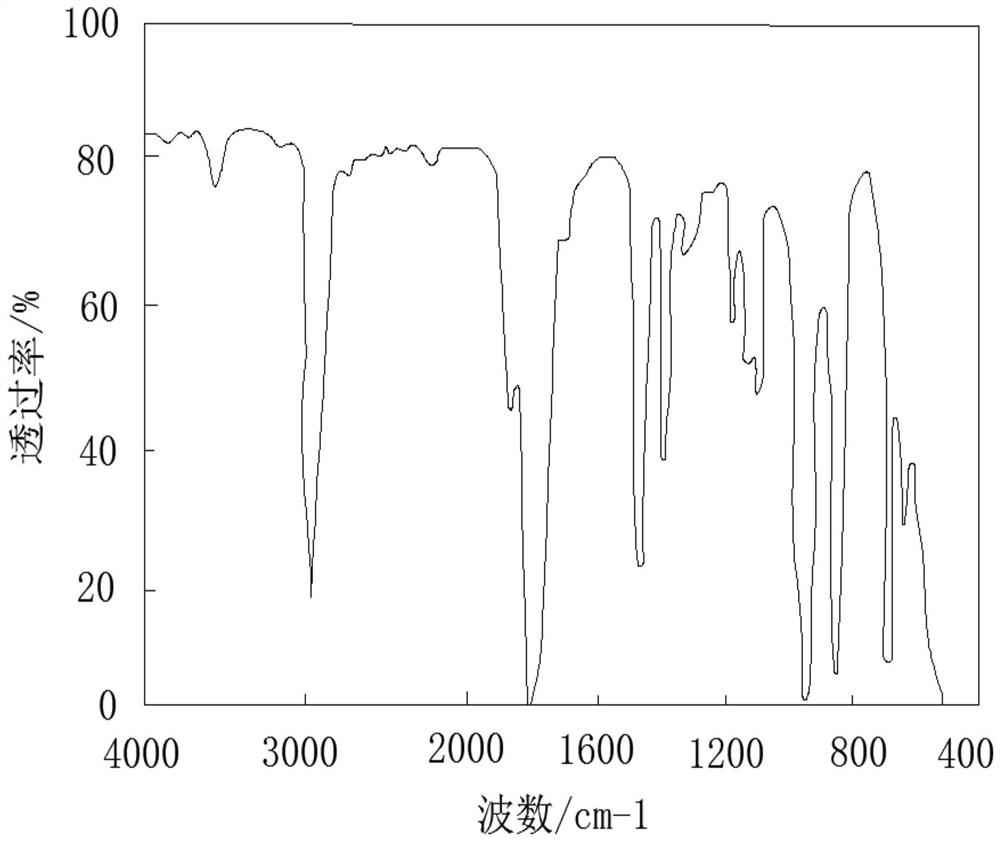
Figure 1 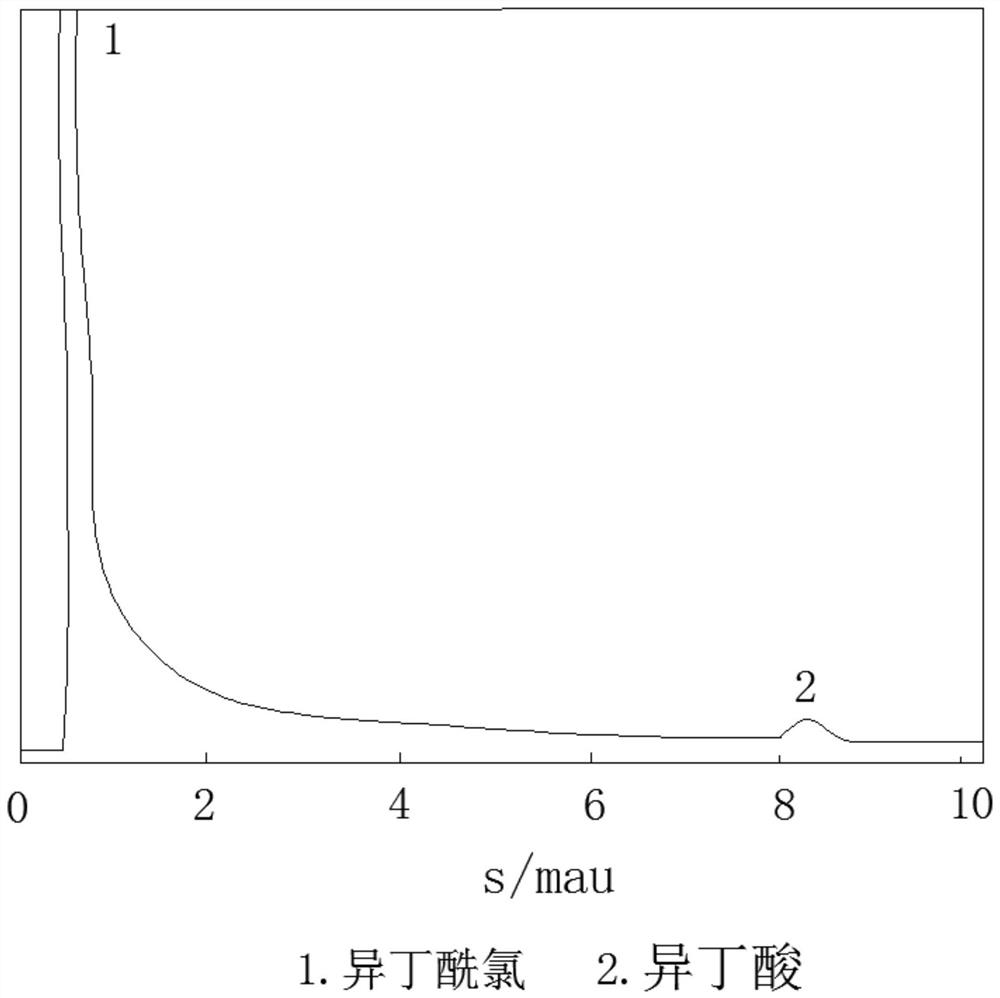
Figure 2 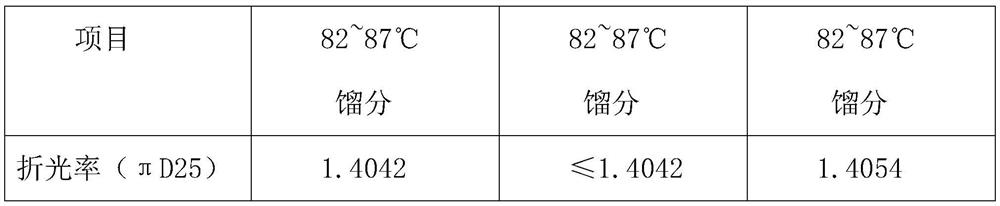
Figure 3
Abstract
Description
technical field
[0001] The invention belongs to the technical field of medicine, in particular to a preparation process of isobutyryl chloride using phosphorus trichloride. Background technique
[0002] Current acyl chlorides refer to compounds containing carbonyl chloride functional groups, which belong to the category of acyl halides. They are carboxylic acid derivatives formed after the hydroxyl group in carboxylic acids is replaced by chlorine. Acyl chlorides are very important intermediates in the field of organic synthesis. It has a very wide range of applications in terms of resources, environment, etc., but at present, the catalyst used in the production of traditional isobutyryl chloride is incompletely catalyzed, which is easy to cause impurities, and the yield of the product is not high and there may be three wastes. Discharge problems. Contents of the invention
[0003] In view of this, the present invention aims to propose a preparation process of isobutyryl c...
Examples
Embodiment
[0024] A kind of isobutyryl chloride preparation technology that adopts phosphorus trichloride, concrete steps are as follows:
[0025] (1) Connect a 100ml constant pressure dropping funnel, a set of stirring device and a spherical condenser to a dry 250ml three-neck flask, and connect a tail gas absorption device to the top of the condenser:
[0026] (2) First add 542g (4.55mol) of thionyl chloride, and dropwise add 352g (4mol) of isobutyric acid to it, and emit HCL, SO2, pay attention to stirring:
[0027] (3) After the dropwise addition, continue to stir and raise the temperature to 80°C, keep it for 0.5h, collect a wide fraction at 83-100°C by distillation, and then collect a fraction at 90-92°C by distillation, which is isobutyryl chloride.
[0028] Following is the experimental data in the product process that the present application obtains by embodiment:
[0029] 1. Selection of Experimental Conditions
[0030] (1), physical mass ratio
[0031] Theoretically speakin...