
Method for preparing preservative-free fruit and vegetable sauce by microbial fermentation method
A technology of microbial fermentation and zero preservatives, applied in the field of fruit and vegetable sauce processing, can solve the problems of easy-to-contaminate bacteria, short storage period, bad smell, etc., and achieve the effect of enriching nutritional value
Patent Information
- Authority / Receiving Office
- CN · China
- Patent Type
- Applications(China)
- Current Assignee / Owner
- Publication Date
- 2021-12-21
Smart Images
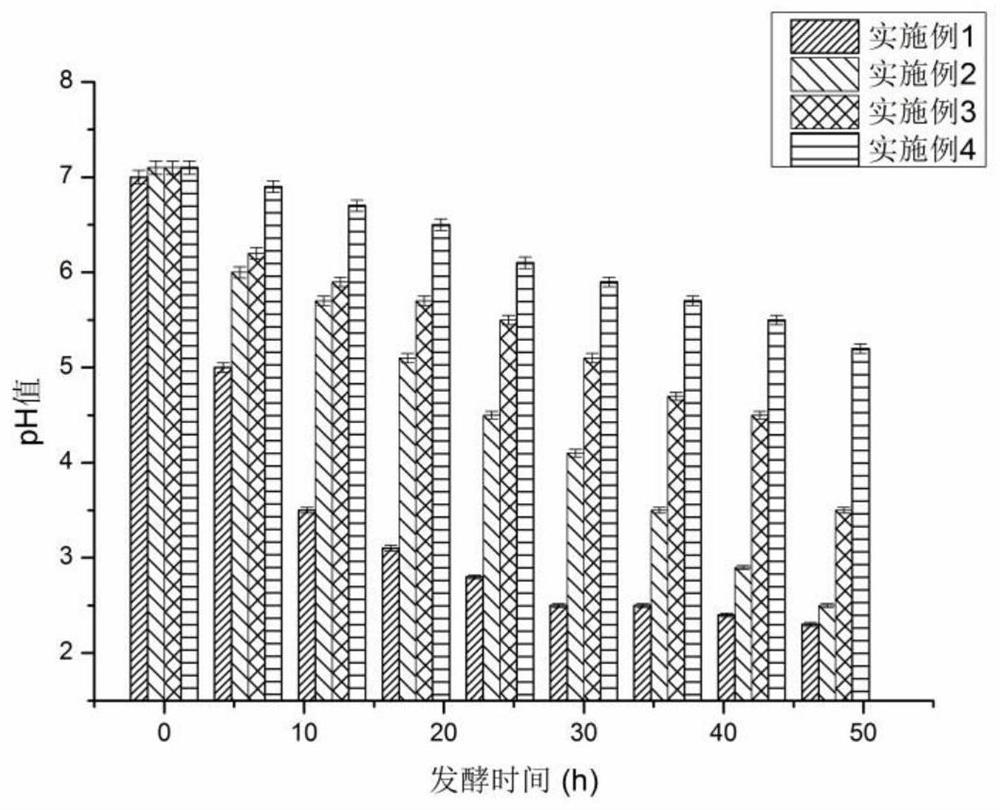
Figure 1 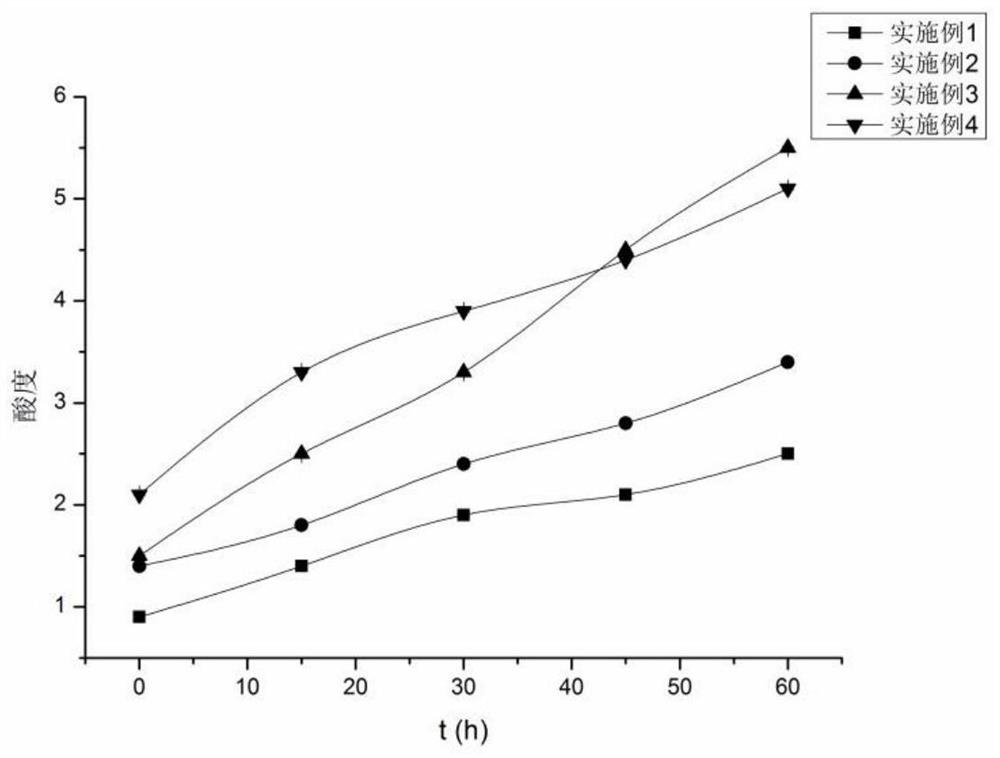
Figure 2 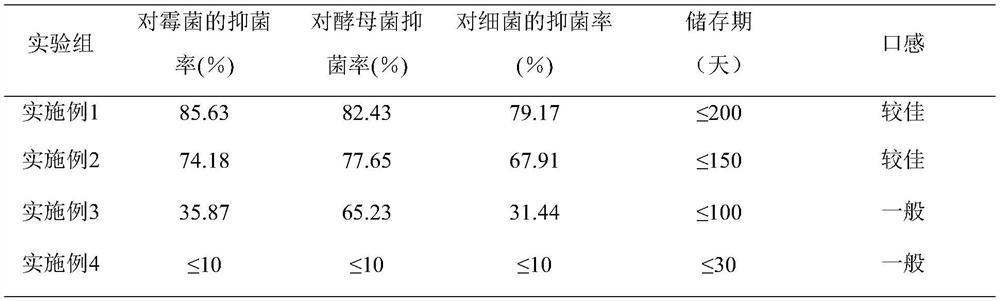
Figure 3
Abstract
Description
technical field
[0001] The invention relates to a method for preparing zero-preservative fruit and vegetable sauce by microbial fermentation, and belongs to the technical field of fruit and vegetable sauce processing. Background technique
[0002] Traditional fermentation is fermented by microorganisms attached to the surface of fruits and vegetables, and high salinity is added to inhibit the growth of unwanted microorganisms. However, this fermentation method requires a long fermentation period and harmful microorganisms cannot be completely inhibited, so it cannot Guarantee the quality of fruit and vegetable sauce. The main microorganisms in the process of traditional fermenting fruits and vegetables are lactic acid bacteria, yeast, acetic acid bacteria, mold and other bacteria. Molds have adverse effects on fermentation and are harmful microorganisms. Common molds include Penicillium, Penicillium albicans, Paecilomyces peaches, Fusarium, Botrytis cinerea, Alternaria, and...
Examples
Embodiment 1
[0035] The present embodiment provides the method for making zero-preservative fruit and vegetable sauce by microbial fermentation, and the specific steps are as follows:
[0036] Step 1: Selection of raw materials: select fresh, non-rotten and non-worm-eaten fruits and vegetables, soak them in salt water for 20 minutes, rinse them, and drain the water;
[0037] Step 2: beating and concentration: After beating the fruit and vegetable raw materials, concentrate 4 to 5 times to obtain concentrated fruit and vegetable pulp, then add appropriate amount of white sugar and maltose to mix;
[0038] Step 3: Microbial fermentation: Add 0.03% direct-throwing starter (Lactobacillus plantarum: Leuconostoc enterococcus = 2:1) and 5% salt in cold boiling water, ferment at (30±2)°C for 24-36 hours, and the pH value reaches At 4.0, adjust the temperature to (17±2)°C to continue fermentation, and end the fermentation when the pH value reaches (2.2±0.2);
[0039] Step 4: UHT instantaneous ster...
Embodiment 2
[0052] The present embodiment provides the method for making zero-preservative fruit and vegetable sauce by microbial fermentation, and the specific steps are as follows:
[0053] Step 1: Selection of raw materials: select fresh, non-rotten and non-worm-eaten fruits and vegetables, soak them in salt water for 20 minutes, rinse them, and drain the water;
[0054] Step 2: beating and concentration: After beating the fruit and vegetable raw materials, concentrate 4 to 5 times to obtain concentrated fruit and vegetable pulp, then add appropriate amount of white sugar and maltose to mix;
[0055] Step 3: Microbial fermentation: add 3% fermentation broth (Lactobacillus plantarum: Leuconostoc enterococcus = 2:1) and 5% salt in cold boiling water, ferment at (30±2)°C for 24-36 hours, and adjust when the pH value reaches 4.0 Continue the fermentation when the temperature reaches (17±2)°C, and end the fermentation when the pH value reaches (2.2±0.2);
[0056] Step 4: UHT instantaneous ...
Embodiment 3
[0065] The present embodiment provides the method for making zero-preservative fruit and vegetable sauce by microbial fermentation, and the specific steps are as follows:
[0066] Step 1: Selection of raw materials: select fresh, non-rotten and non-worm-eaten fruits and vegetables, soak them in salt water for 20 minutes, rinse them, and drain the water;
[0067] Step 2: beating and concentration: After beating the fruit and vegetable raw materials, concentrate 4 to 5 times to obtain concentrated fruit and vegetable pulp, then add appropriate amount of white sugar and maltose to mix;
[0068] Step 3: Microbial fermentation: add 3% lactic acid bacteria starter and 5% salt cold boiling water, ferment at (30±2)°C for 24 to 36 hours, adjust the temperature to (17±2)°C when the pH value reaches 4.0 and continue fermentation, and the pH value reaches (2.2 ± 0.2) when the end of fermentation;
[0069] Step 4: UHT instantaneous sterilization;
[0070] Step 5: Aseptic filling: Fill th...