
Cobalt-nickel-chromium biocompatible alloy for implantable medical devices
a biocompatible, medical device technology, applied in the field of cobaltnickelchromium biocompatible alloys for implantable medical devices, can solve the problems of inability to use some vessels, affecting the patient's life, and affecting the patient's health, and achieves the effect of simple and inexpensive manufacturing
Patent Information
- Authority / Receiving Office
- US · United States
- Current Assignee / Owner
- Publication Date
- 2005-12-15
- Estimated Expiration
- Not applicable · inactive patent
Smart Images
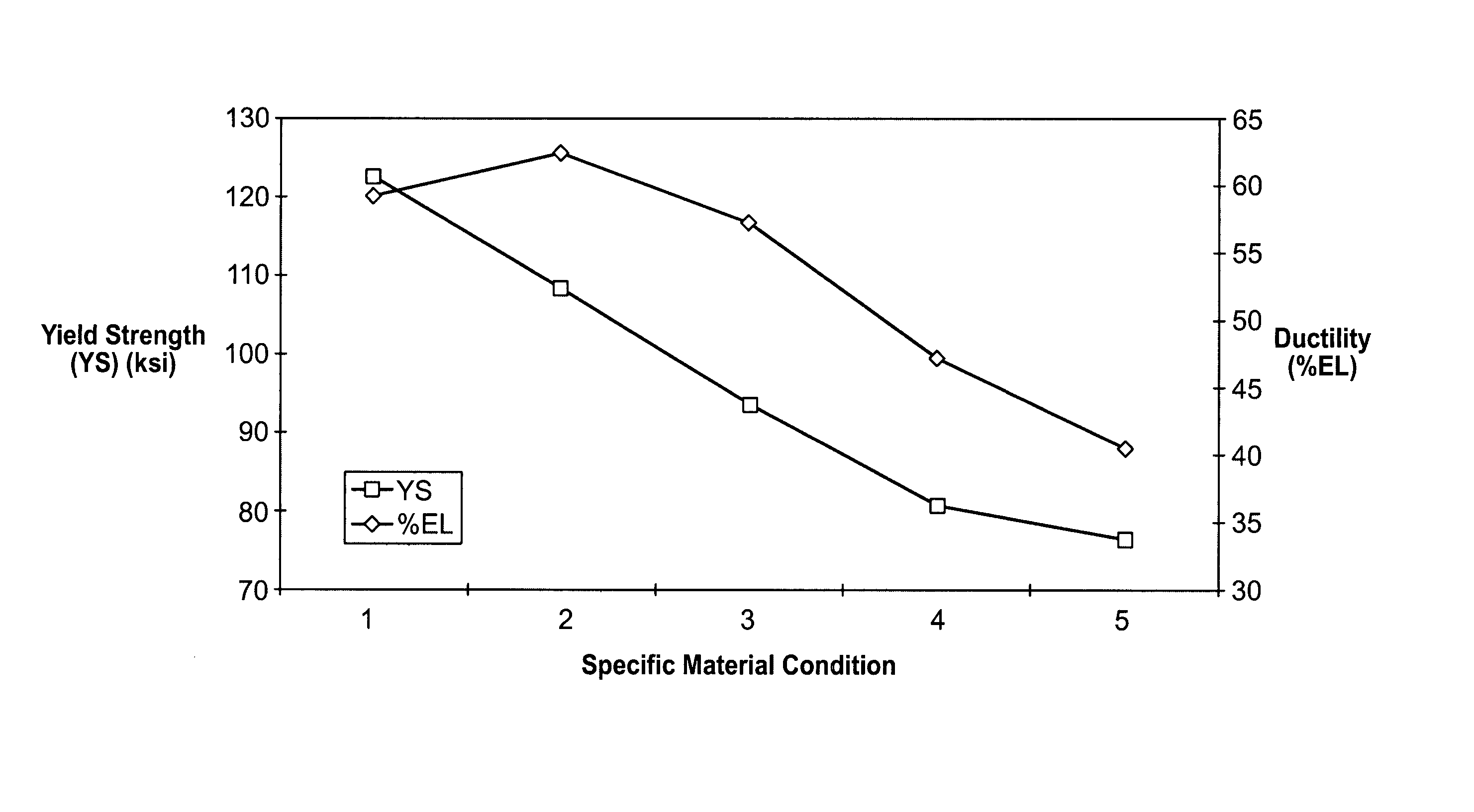
Figure 1 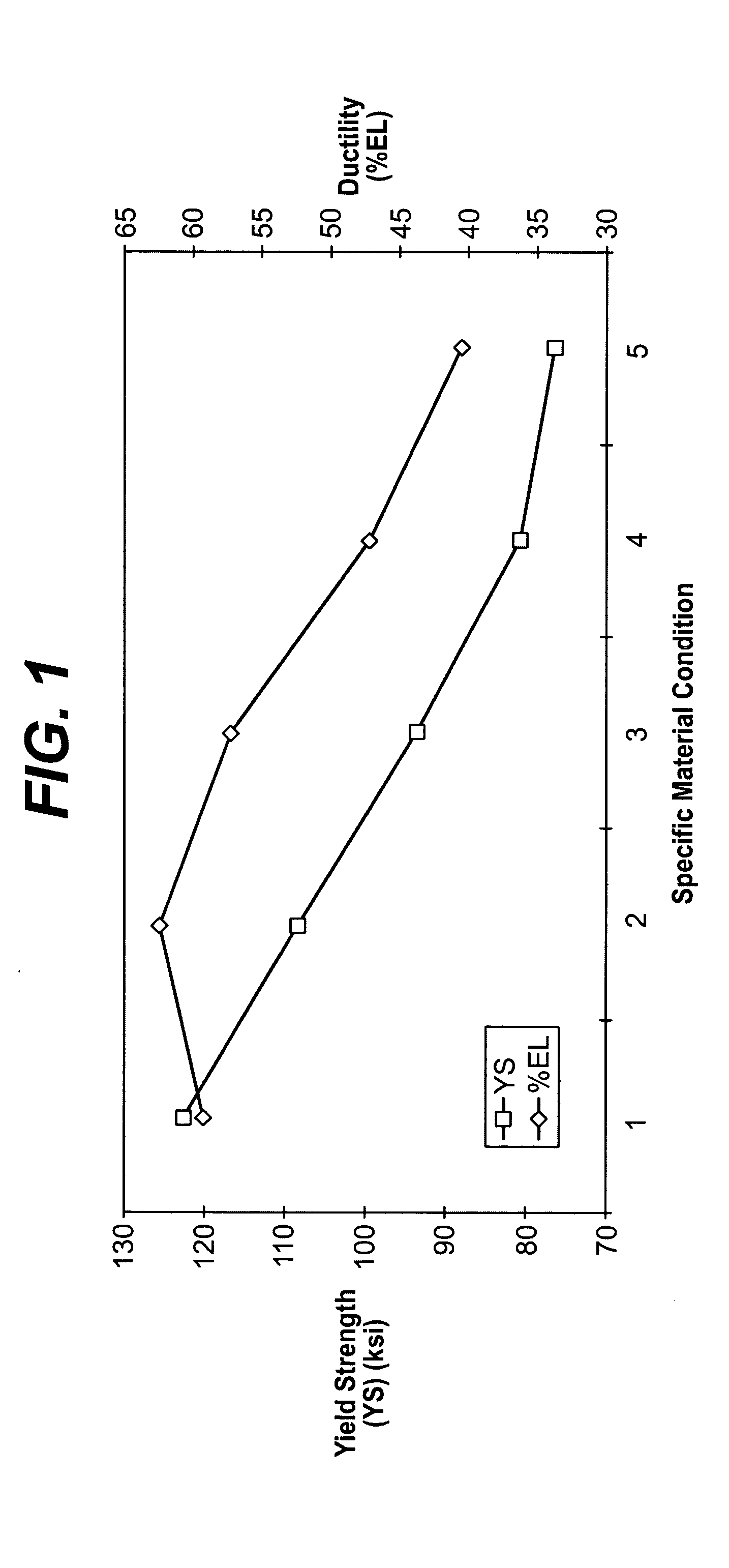
Figure 2 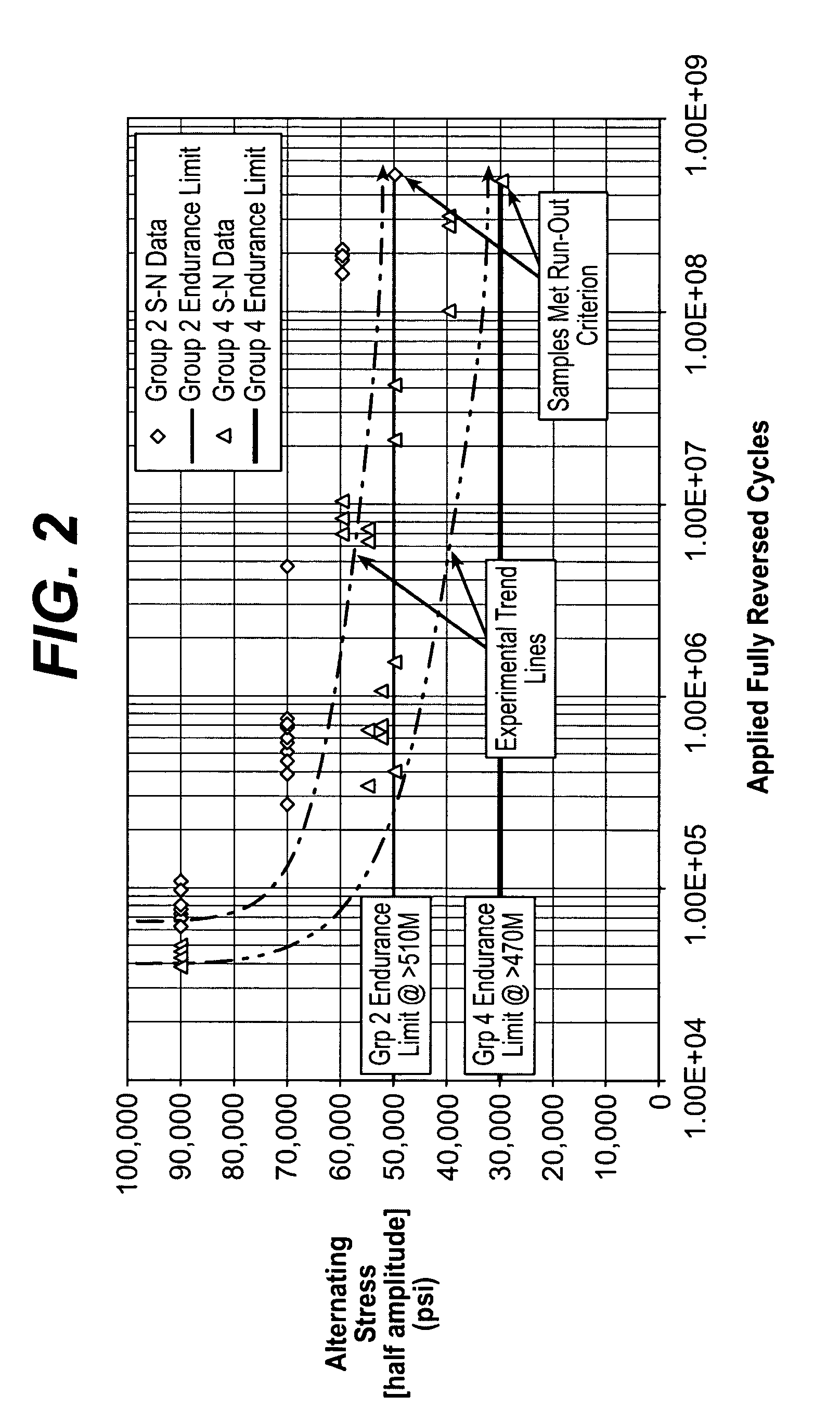
Figure 3
Abstract
Description
BACKGROUND OF THE INVENTION
[0001] 1. Field of the Invention
[0002] The present invention relates to alloys for use in manufacturing or fabricating implantable medical devices, and more particularly, to implantable medical devices manufactured or fabricated from alloys that are magnetic resonance imaging compatible.
[0003] 2. Discussion of the Related Art
[0004] Percutaneous transluminal angioplasty (PTA) is a therapeutic medical procedure used to increase blood flow through an artery. In this procedure, the angioplasty balloon is inflated within the stenosed vessel, or body passageway, in order to shear and disrupt the wall components of the vessel to obtain an enlarged lumen. With respect to arterial stenosed lesions, the relatively incompressible plaque remains unaltered, while the more elastic medial and adventitial layers of the body passageway stretch around the plaque. This process produces dissection, or a splitting and tearing, of the body passageway wall layers, wherein th...
Examples
Embodiment Construction
[0025] Biocompatible, solid-solution alloys may be utilized in the manufacture of any number of implantable medical devices. The biocompatible alloy for implantable medical devices in accordance with the present invention offers a number of advantages over currently utilized medical grade alloys. In particular, the biocompatible alloy of the present invention is magnetic resonance imaging compatible. Magnetic resonance imaging is a valuable diagnostic tool and thus any implantable medical device should preferably be magnetic resonance imaging compatible so that it and surrounding tissue may be accurately imaged. One such medical device where this is particularly relevant is stents.
[0026] Coronary stenting is currently the most widely utilized percutaneous coronary intervention. The primary benefit of stenting when compared with balloon-angioplasty alone is a reduction of the restenosis-rate. Nevertheless, in-stent restenosis remains a relatively common clinical scenario. If clinica...