
Geometry and material for use in high strength, high flexibility, controlled recoil drug eluting stents
a geometries and stent technology, applied in the field of new geometries for implantable medical devices, can solve the problems of inadequate microstructural tailoring of intravascular stents, and achieve the effects of facilitating the design of stents, reducing the risk of infection, and varying the degree of strength and ductility
Patent Information
- Authority / Receiving Office
- US · United States
- Patent Type
- Applications(United States)
- Current Assignee / Owner
- Publication Date
- 2006-09-07
- Estimated Expiration
- Not applicable · inactive patent
Smart Images
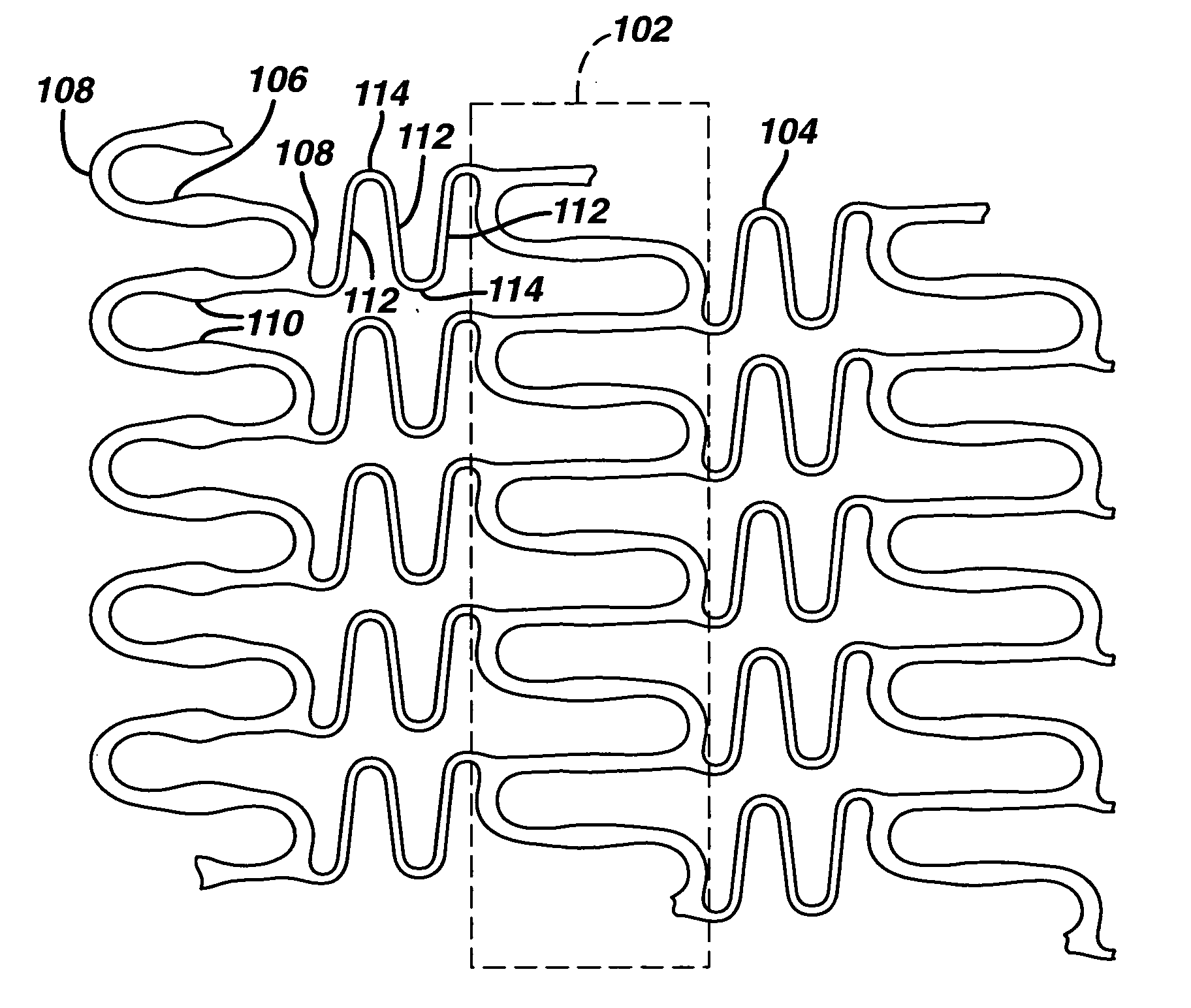
Figure 1 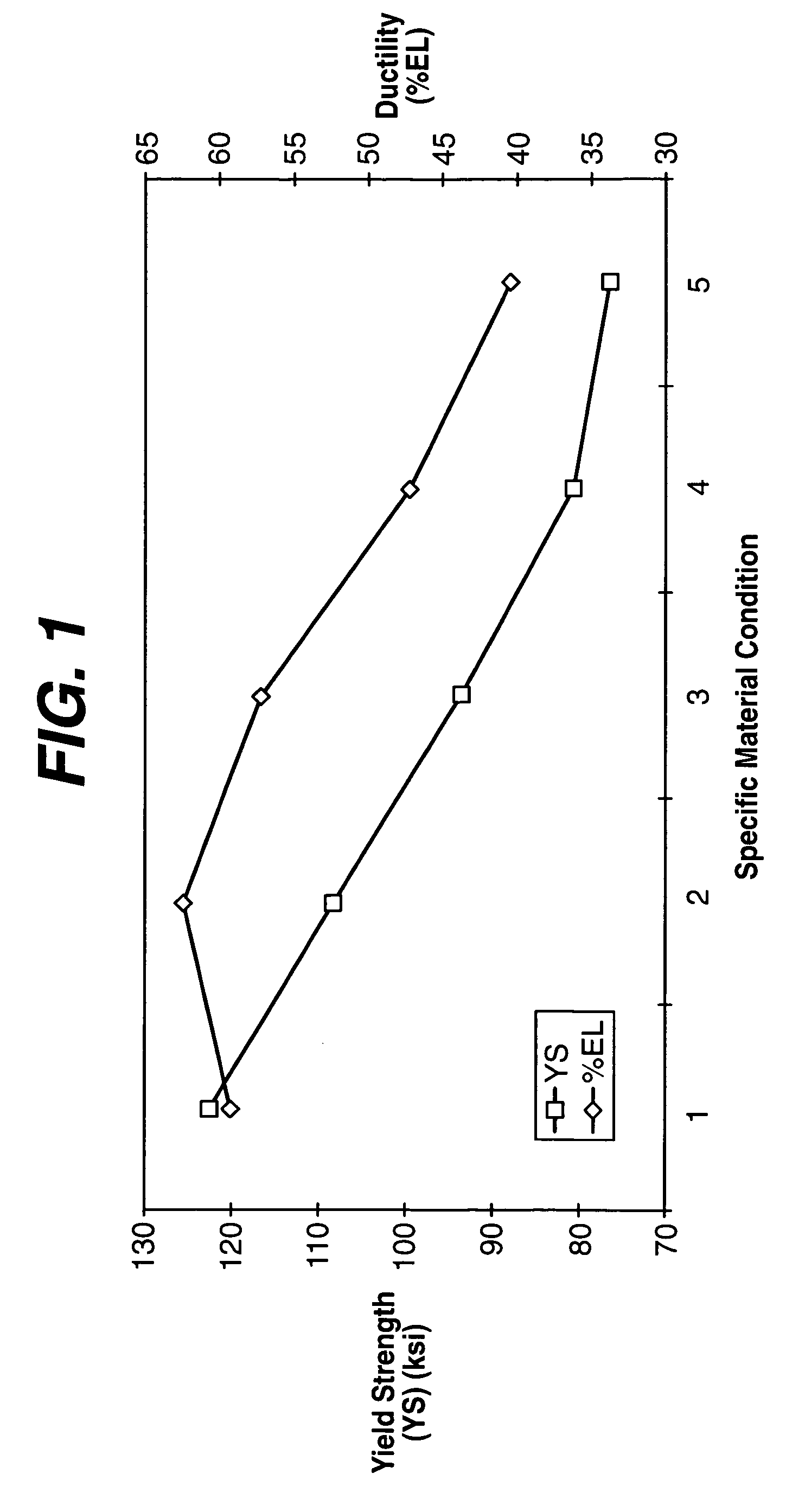
Figure 2 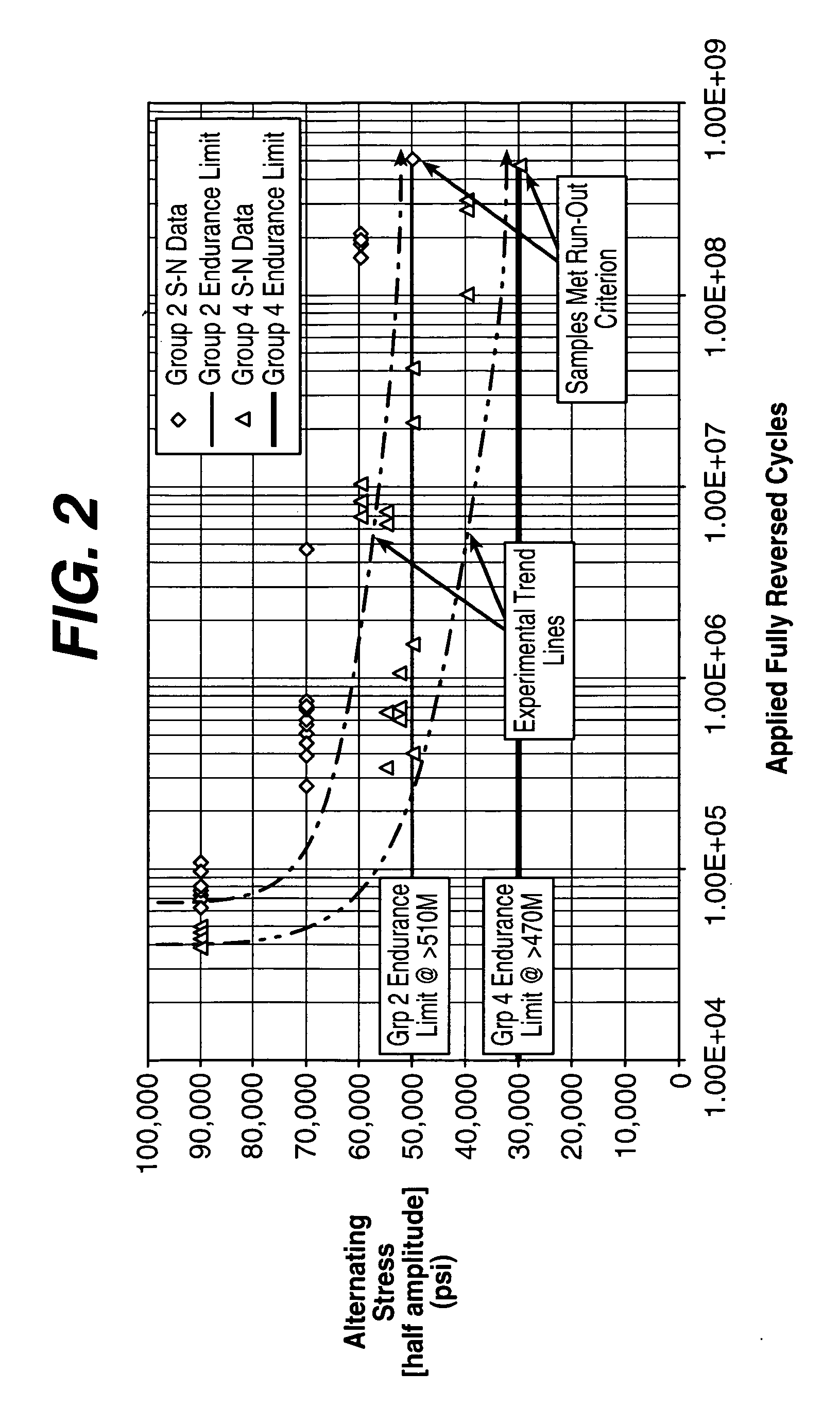
Figure 3
Abstract
Description
BACKGROUND OF THE INVENTION
[0001] 1. Field of the Invention
[0002] The present invention relates to novel geometries for use in implantable medical devices, and more particularly, to novel stent designs manufactured or fabricated from alloys that provide high strength, high flexibility, high expansion capability, high fatigue resistance and controlled recoil. The present invention also relates to biocompatible materials, metallic and non-metallic, that provide for designed in microstructures that facilitate the design of devices with a wide range of geometries that are adaptable to various loading conditions. The present invention also relates to the utilization of therapeutic agents in combination with the implantable medical devices.
[0003] 2. Discussion of the Related Art
[0004] Currently manufactured intravascular stents do not adequately provide sufficient tailoring of the microstructural properties of the material forming the stent to the desired mechanical behavior of the de...
Examples
Embodiment Construction
[0022] Biocompatible, solid-solution strengthened alloys such as iron-based alloys, cobalt-based alloys and titanium-based alloys as well as refractory metals and refractory-based alloys may be utilized in the manufacture of any number of implantable medical devices. The biocompatible alloy for implantable medical devices in accordance with the present invention offers a number of advantages over currently utilized medical grade alloys. The advantages include the ability to engineer the underlying microstructure in order to sufficiently perform as intended by the designer without the limitations of currently utilized materials and manufacturing methodologies.
[0023] For reference, a traditional stainless steel alloy such as 316L (i.e. UNS S31603) which is broadly utilized as an implantable, biocompatible device material may comprise chromium (Cr) in the range from about 16 to 18 wt. %, nickel (Ni) in the range from about 10 to 14 wt. %, molybdenum (Mo) in the range from about 2 to 3...