
Methods for Increasing the Resistance of Plants to Hypoxic Conditions
a technology of hypoxic conditions and plants, applied in the direction of ligases, biocides, transferases, etc., can solve the problem that none of these documents discloses the possibility of using stress tolerance genes, and achieve the effect of increasing the penetration of plant roots
Patent Information
- Authority / Receiving Office
- US · United States
- Patent Type
- Applications(United States)
- Current Assignee / Owner
- Publication Date
- 2013-03-14
- Estimated Expiration
- Not applicable · inactive patent
Smart Images
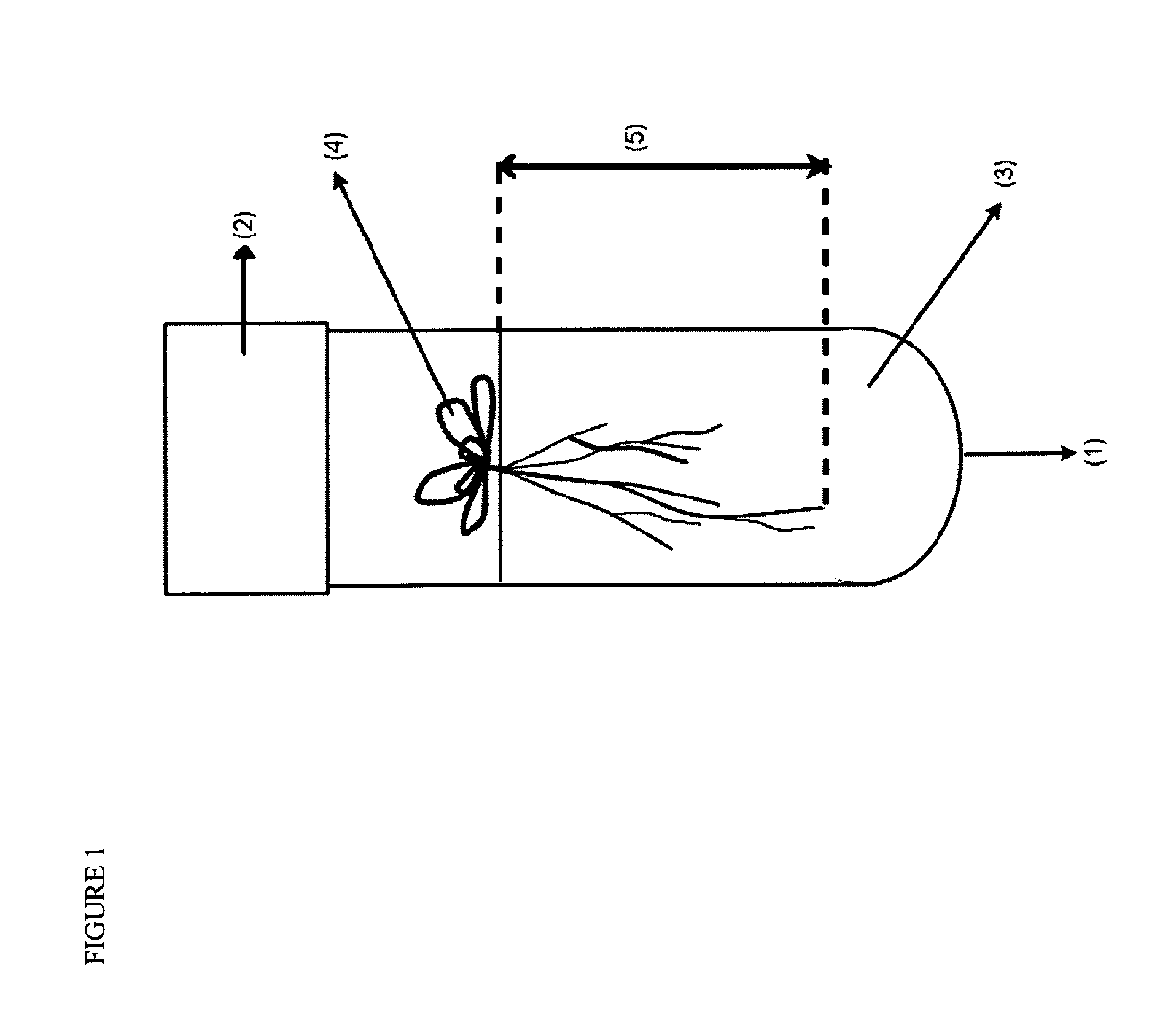
Figure 1 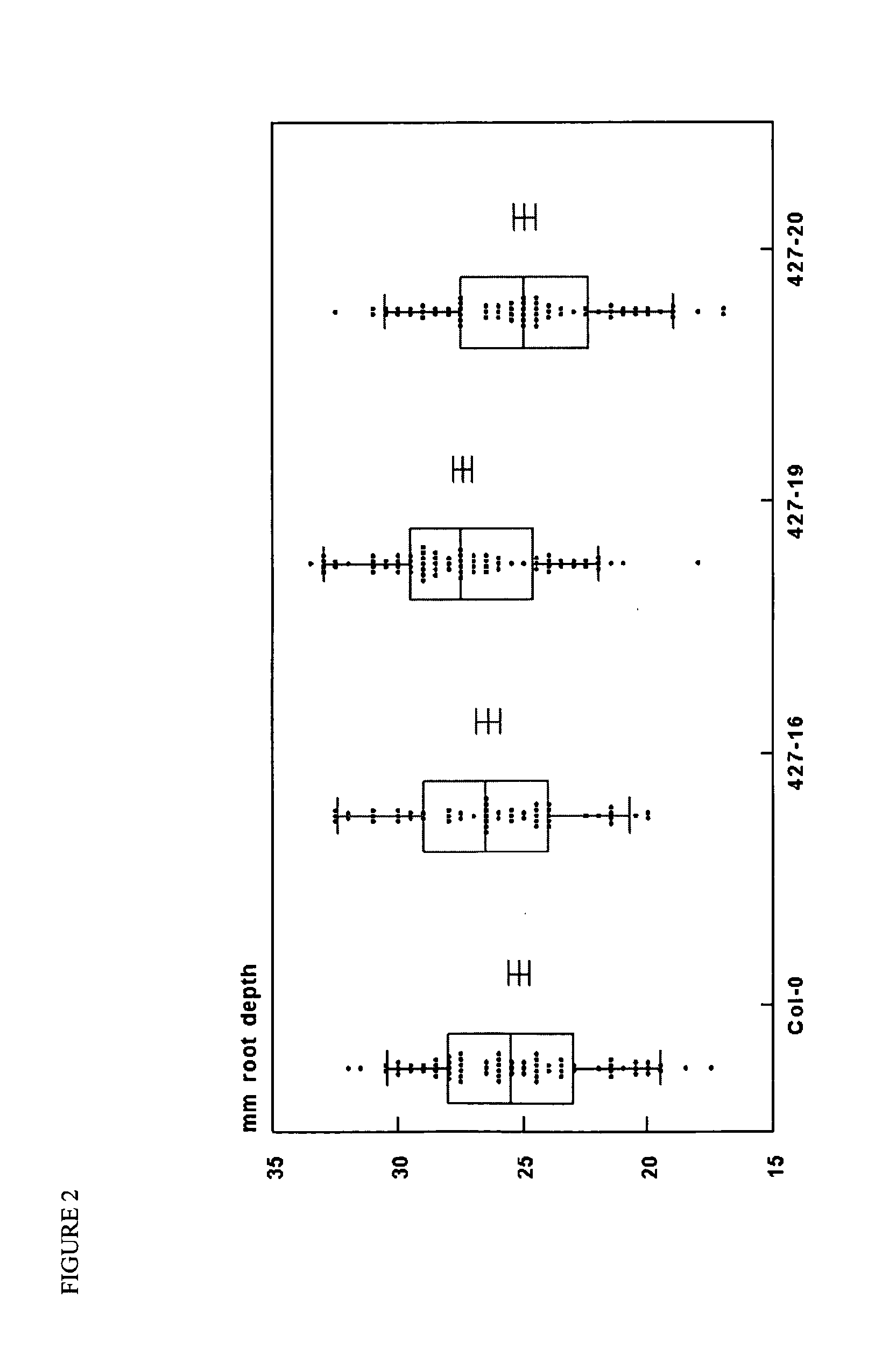
Figure 2 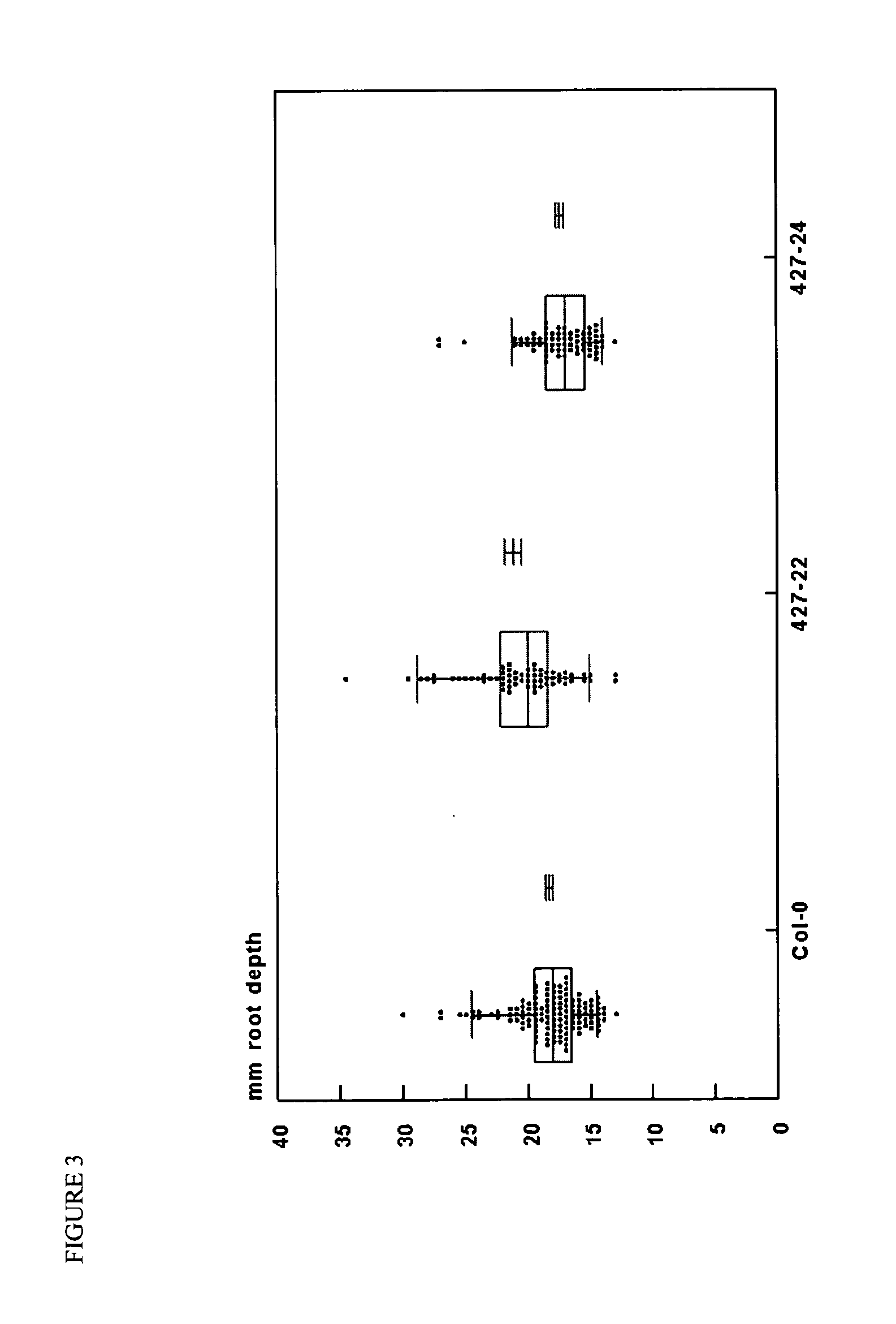
Figure 3
Abstract
Description
[0001]Methods are provided for increasing the resistance of plants to hypoxic or anoxic conditions. Such methods may be applied to increase the penetrance of plant roots in the growth medium or into soil. The methods according to the invention may include modification of the genome of the plants by providing such plants with an exogenous stress tolerance gene or with a stress tolerant variant of an endogenous gene corresponding to such an exogenous gene. The methods according to the invention may also include applying neonicotinoid compounds, such as but not limited to imidacloprid, nitenpyram, acetamiprid, thiacloprid, thiamethoxam, clothianidin, and dinotefuran, to plants or their habitats, or to cells or seeds thereof. Particularly effective neonicotinoid compounds are neonicotinoid compounds which comprise a chloropyridine side chain, such as imidacloprid, nitenpyram, acetamiprid, and thiacloprid, particularly those during the degradation of which in plants 6-chloronicotininc ac...
Examples
example 1
Protocol for Measurement of Depth of Arabidopsis Root Growth in Growth Medium
Media
[0199]Gemination medium: Half concentrated Murashige and Skoog salts; B5 vitamins; 1.5% sucrose; pH 5.8; 0.4% Difco agar.
Arabidopsis Plants
[0200]Sterilization of Arabidopsis seeds: 2 min. 70% ethanol; 10 min. bleach (6% active chlorine)+1 drop Tween 20 for 20 ml solution; wash 5 times with sterile tap water; sterilization is done in 2 ml eppendorf tubes. Arabidopsis seeds sink to the bottom of the tube, allowing removal of the liquids by means of a 1 ml pipetman.
[0201]Pregermination of seeds: In 9 cm Optilux Petridishes (Falcon) containing 10 ml sterile tap water. Low light overnight to 24 hours.
[0202]Growing of Arabidopsis plants: Seeds are sown in 25×150 mm glass tubes (Sigma C5916) with natural (transparant) colored closure (Sigma C5791) containing ±34 ml germination medium: 1 seed / tube. The tubes are put in the two outer rows of tube holders for 40 tubes (V WR nalg5970-0025) wrapped in aluminium fo...
example 2
Analysis of Depth of Root Growth of Arabidopsis Plants Comprising a Transgene which Enhances Stress Tolerance
[0204]Arabidopsis thaliana plants comprising a transgene encoding a dsRNA molecule which is capable of reducing the expression of endogenous PARP1 or PARP2 genes, as described in WO 00 / 04173 A1, (e.g. in Example 8 thereof) were grown as described in Example 1. After three weeks, the depth of the roots of the transgenic plants was measured and compared to the depth of the roots of non-transgenic control plants or to non-transgenic isogenic plants grown in a similar manner.
[0205]In a first experiment, various populations of Arabidopsis thaliana cv. Col-0 plants comprising a transgene encoding a dsRNA molecule which is capable of reducing the expression of endogenous PARP2 genes (with lines 427-16 and 427-20 showing weak tolerance to high light stress and line 427-19 showing a moderate tolerance to high light stress) were compared with a population of non-transgenic Arabidopsis ...
example 3
Analysis of Depth of Root Growth of Arabidopsis Plants after Application of Imidacloprid
[0217]Arabidopsis thaliana cv. C24 plants were grown as described in Example 1 on germination medium (with 0.7% Difco agar in stead of 0.4%) comprising various concentrations of imidacloprid (0, 50, and 100 mg / l). After three weeks, the depth of the roots of the plants treated with 50 and 100 mg / l imidacloprid was measured and compared to the depth of the roots of untreated plants grown in a similar manner.
[0218]The roots of the treated Arabidopsis plants protruded deeper in the growth medium than the roots of the non-treated Arabidopsis plants (see FIG. 6 and Table 5)
TABLE 5Root depth (mm) of Arabidopsis thaliana cv. C24 plants treated with 50and 100 mg / l imidacloprid as compared to Arabidopsis thaliana cv. C24plants not treated with imidacloprid0 mg / L50 mg / L100 mg / LMean1.94752.18752.2725Standard dev.0.2897140.3535080.456072Standard error0.0374020.0456380.05887995% Confidence0.0755890.0922340.11...