
Bidirectional limb neuro-prosthesis
a neuroprosthesis and bidirectional technology, applied in the field of limb neuroprosthesis, can solve the problems of difficult real-time bidirectional control, physical debilitation and often distress, and depriving the person of the most immediate and important source of tactile sensing,
Patent Information
- Authority / Receiving Office
- US · United States
- Patent Type
- Applications(United States)
- Current Assignee / Owner
- Publication Date
- 2019-04-25
- Estimated Expiration
- Not applicable · inactive patent
Smart Images
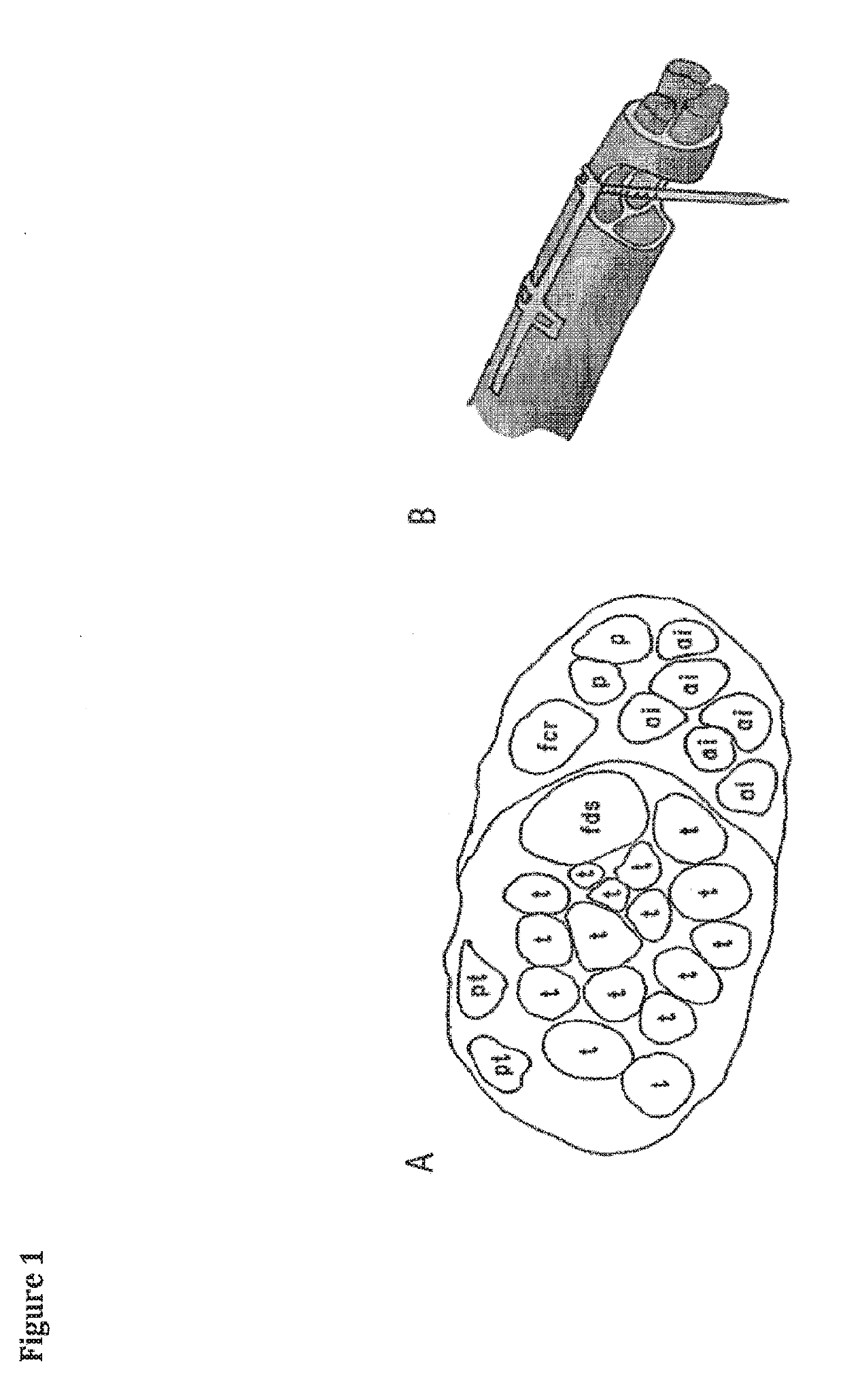
Figure 1 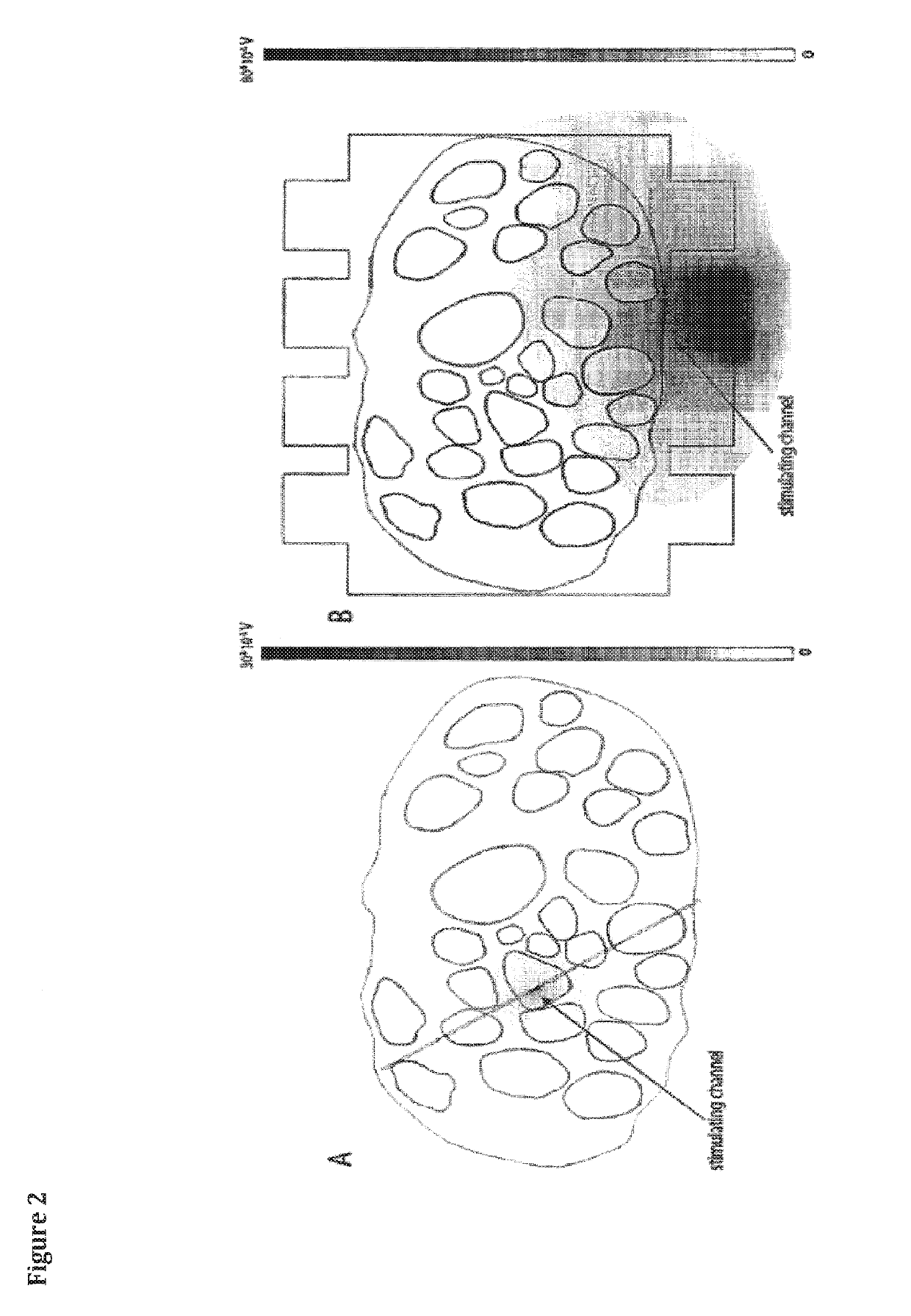
Figure 2 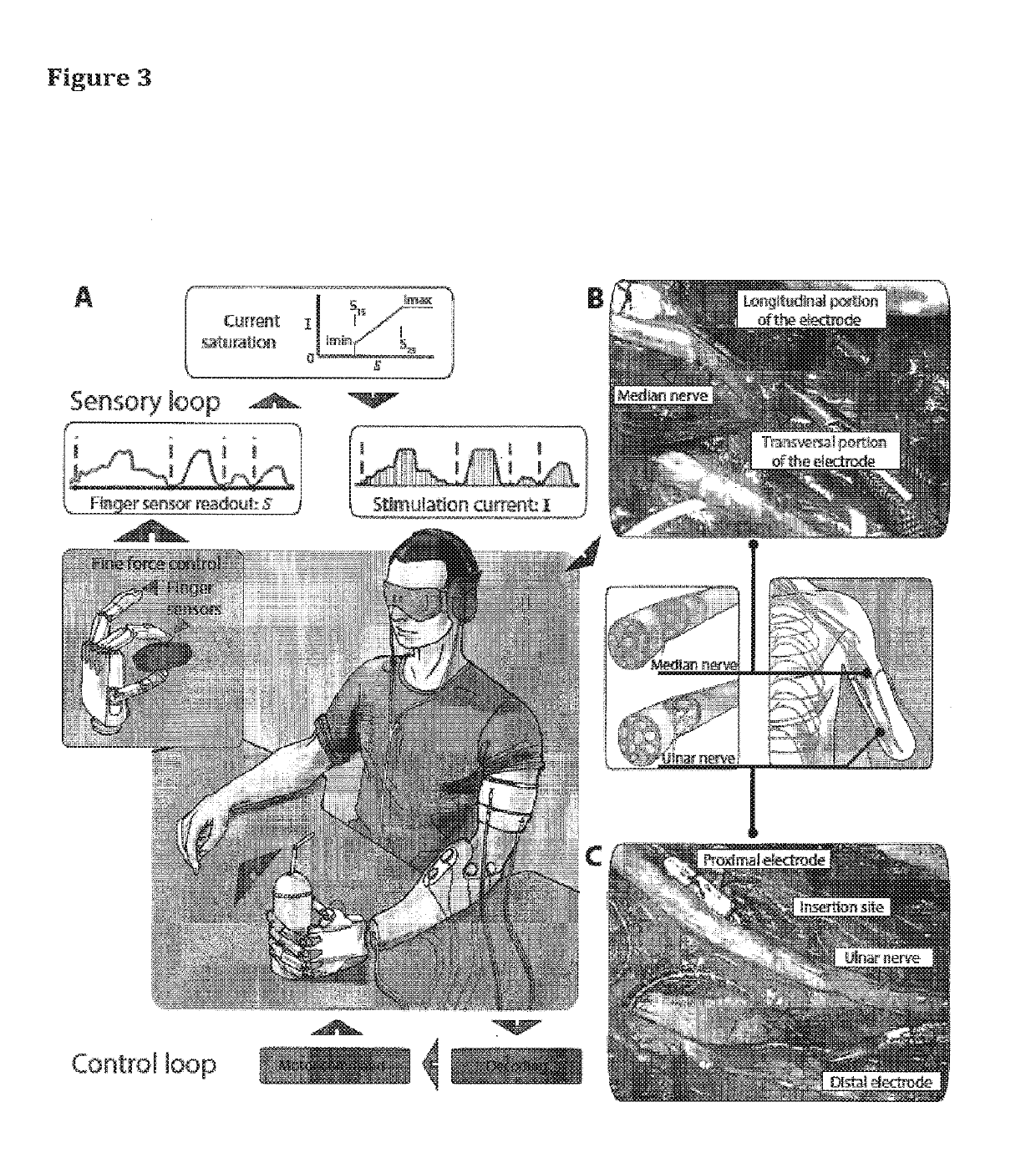
Figure 3
Abstract
Description
FIELD OF INVENTION
[0001] The invention relates to limb neuro-prostheses.BACKGROUND
[0002] Dexterous manipulation by upper limb and skillful walking, running or jumping in lower limb are achieved through a complex relationship between motor commands, executed movements, and sensory feedback during limb activities. Limb loss causes severe physical debilitation and often distress. An ideal prosthesis should reproduce the bidirectional link between the user's nervous system and the peri-personal environment by exploiting the post-amputation persistence of the central and peripheral neural networks and pathways devoted to hand motor control [1] and sensing [2-5].
[0003] In the case of upper limb, skillful object grasping and manipulation is compromised, thus depriving the person of the most immediate and important source of tactile sensing in the body. For these reasons, replacing a lost hand and its precise functionalities is a major unmet clinical need that is receiving attention from engin...
Examples
Embodiment Construction
[0043]The invention will be better understood in the following text, in a detailed description and with non-limiting examples.
[0044]FIG. 3 illustrates the way the system controls the motion of prosthetic robotic limb and restores tactile and proprioceptive sensations in amputees using force / pressure / position / angular sensors from the finger / fingertips / palm / joints / foot of a prosthetic robotic limb.
[0045]The system is constituted by a robotic limb with embedded sensors or provided with a sensorized glove (or sock), a superficial / implantable stimulator, EMG electrodes mounted in a socket or inserted in the amputee remnant muscles, a signal conditioner and multichannel intrafascicular electrodes. The robotic limb must be connectable to the socket.
[0046]A microprocessor, cable / wireless connected to the robotic limb and to the stimulator, handles the acquisition of the EMG / ENG signals and uses them for the control of the robotic limb. Furthermore, this device reads the signals from the pre...