
Method and apparatus for electronically stabilizing digital images
a digital image and electronic stabilization technology, applied in the field of digital image processing, can solve the problems of image distortion and blurriness caused by camera movement, large aperture, heavy and expensive, etc., and achieve the effect of increasing the effective sensor resolution and sensor size, and increasing the dynamic rang
Patent Information
- Authority / Receiving Office
- US · United States
- Patent Type
- Patents(United States)
- Current Assignee / Owner
- Publication Date
- 2009-07-07
Smart Images
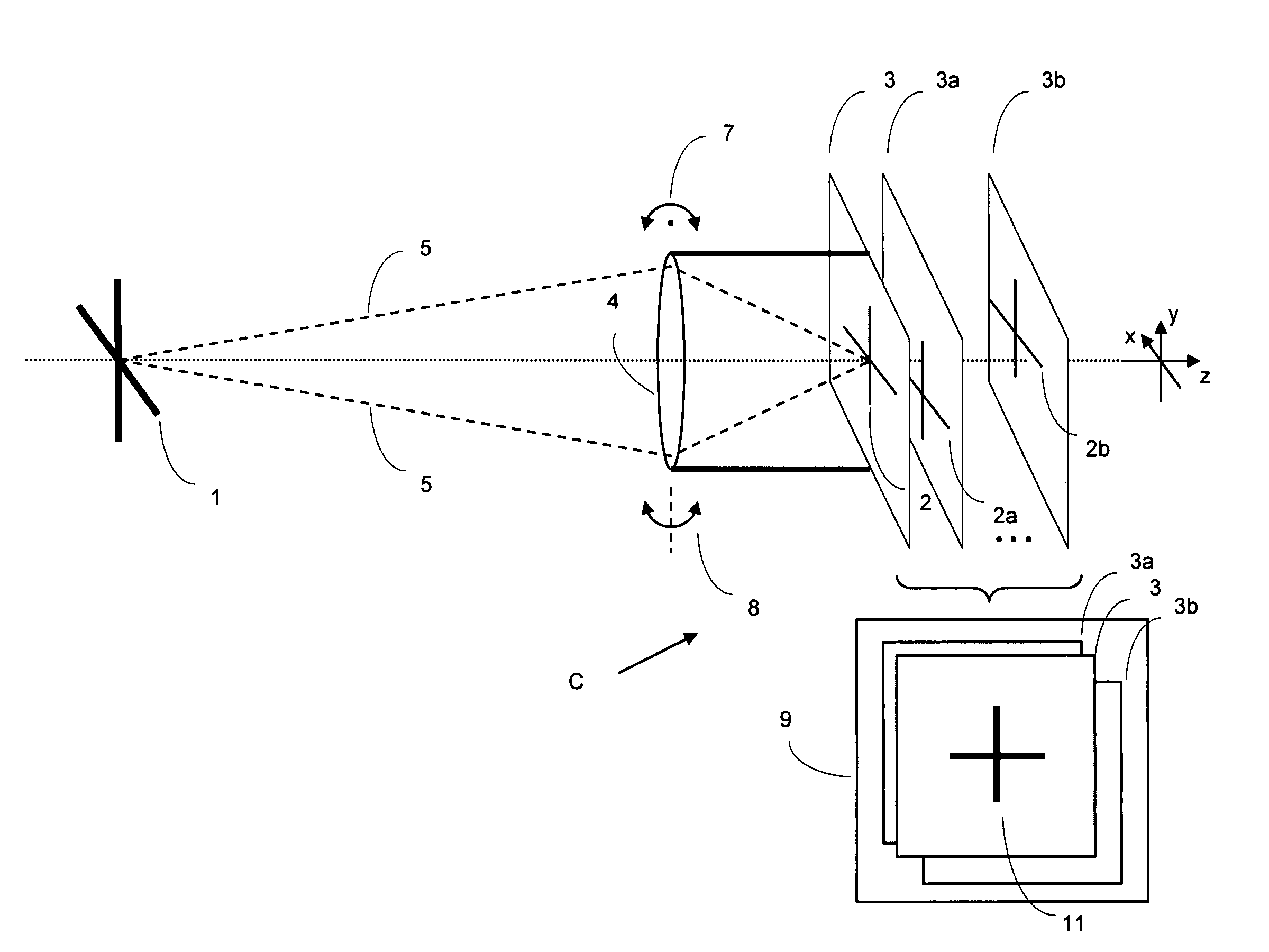
Figure 1 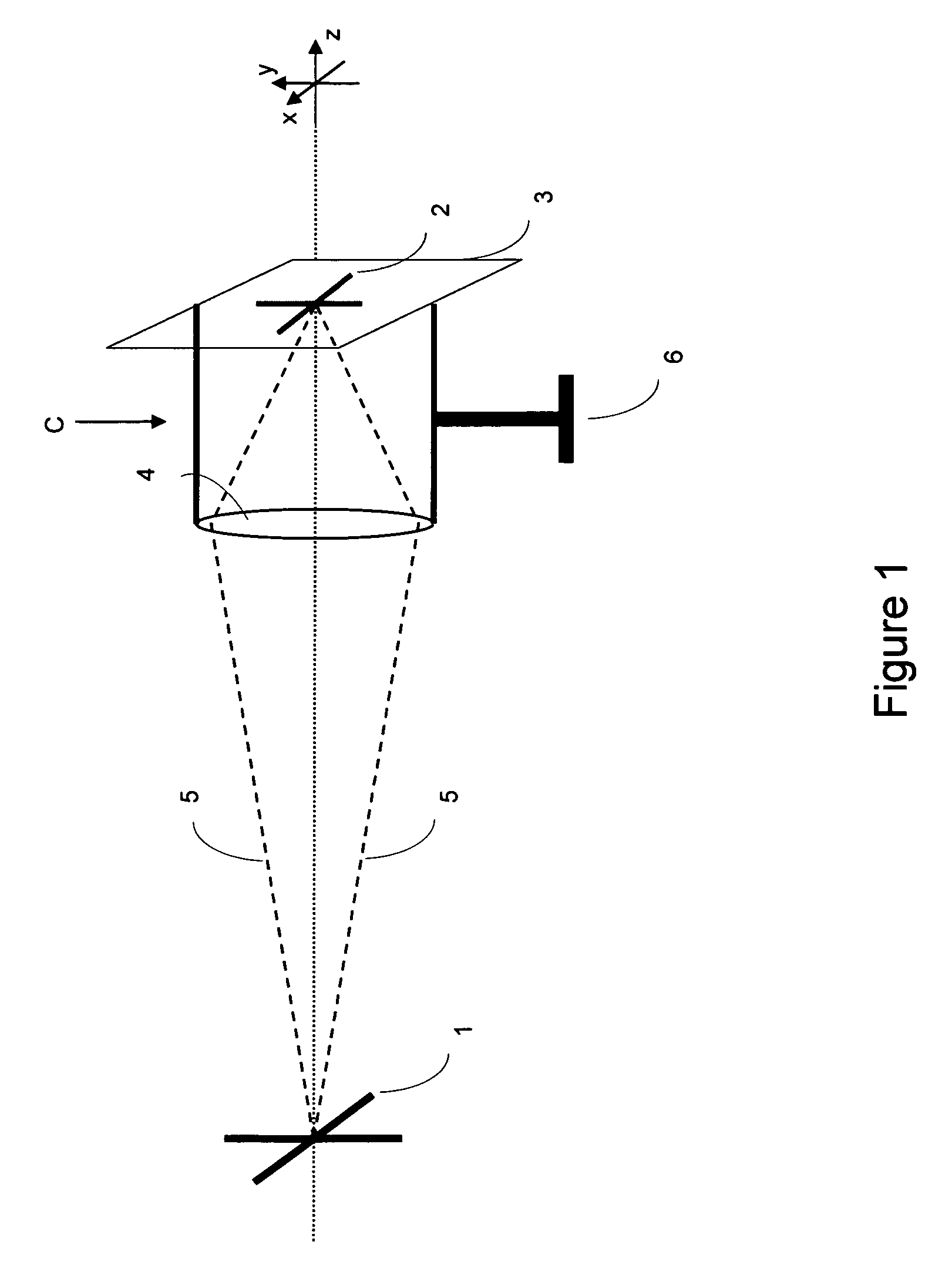
Figure 2 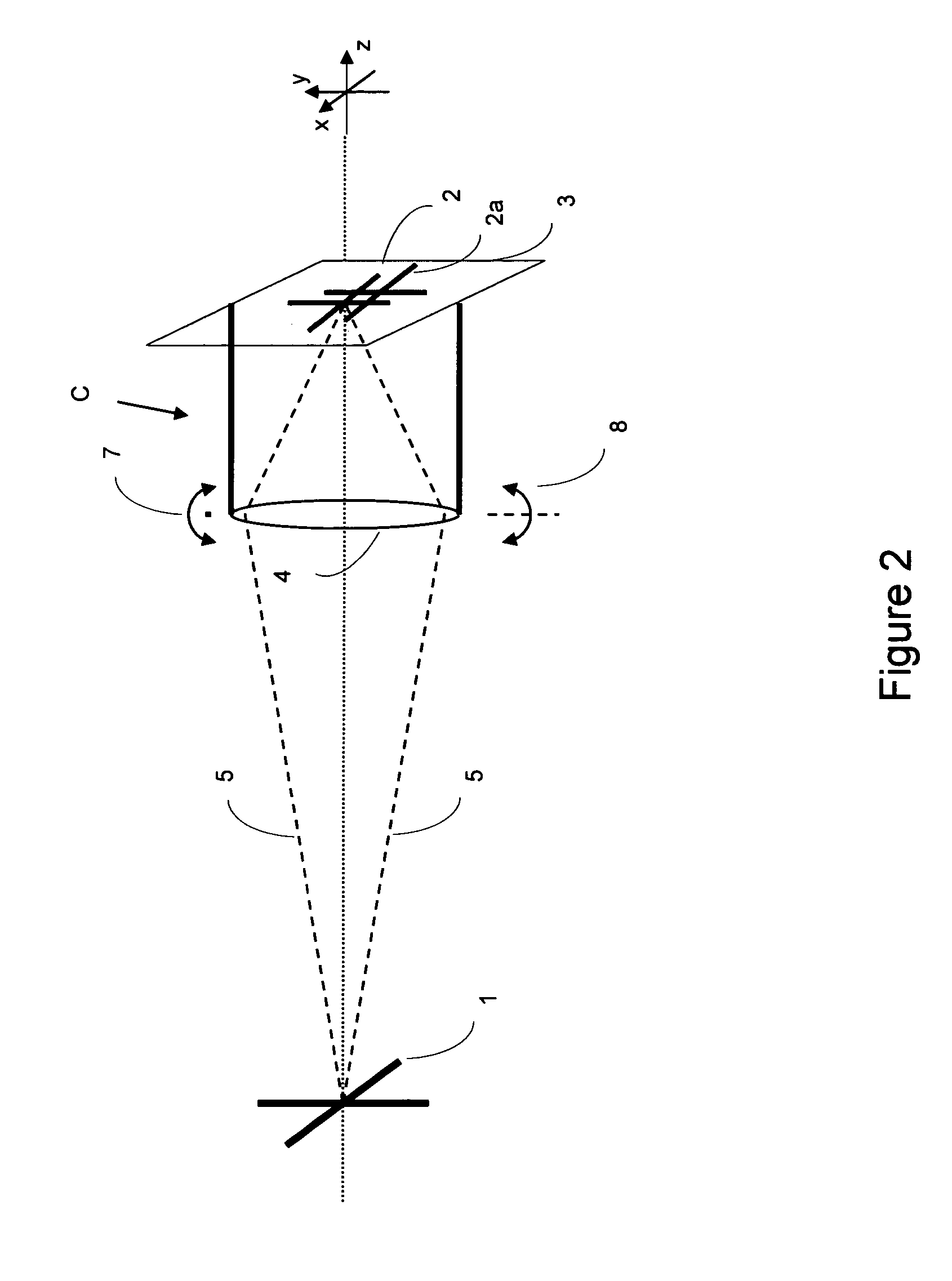
Figure 3
Abstract
Description
[0001] This invention relates generally to digital image processing, and more particularly to electronic stabilization of digital imaging systems to compensate for motion-induced distortion and blurriness.
[0002] Digital photography, movies and digital storage media are rapidly replacing most conventional film-based photography and recording. Digital sensors in imaging systems, such as digital cameras, can be made relatively sensitive, and many of the well known sensor artifacts can be corrected sufficiently to minimize distortion in images. However, image distortion and blurriness caused by movement of the camera, e.g., jitter, or moving objects in an image scene are not presently adequately corrected. Photography with lenses having long focal lengths, which may be large, heavy and expensive and have large apertures, are particularly susceptible to image blurriness due to camera jitter motion. As a result, photography with such lenses often requires either tripods or other stable moun...
Examples
Embodiment Construction
[0014]A generic photographic imaging system comprising a digital camera C is illustrated schematically in FIG. 1. A stationary object 1 is projected via a lens 4 of the camera onto an image sensor 3 at the focal plane of the camera. The camera with its lens is mounted on a fixed support 6 such as a tripod. Since the object 1 is assumed to be stationary and the camera is fixed and not moving, all light rays 5 leaving a particular point of the object are focused onto one point in the focal plane, as shown. This produces a sharp image 2 of the object 1 on the sensor 3.
[0015]If the camera cannot be held stable and in a fixed position, but rather is positioned manually, e.g. hand held, a certain amount of jitter motion will occur during the exposure time and may cause blurriness in the image. In principle, there are three translational motions and three rotational motions that are possible around the three-dimensional axes X, Y, and Z, as shown in the figure. Except for microscopy and ma...