
Production process of 4-(hydroxy-(methyl)phosphinyl)-2-oxobutanoic acid
A technology of oxobutyric acid and production process, which is applied in the field of preparation of organic compounds, can solve the problems of discounted weeding effect, difficult storage, easy copolymerization, etc., and achieve the effect of clean production process, low cost and high weeding effect
Patent Information
- Authority / Receiving Office
- CN · China
- Patent Type
- Patents(China)
- Current Assignee / Owner
- Publication Date
- 2016-03-23
- Estimated Expiration
- Not applicable · inactive patent
Smart Images
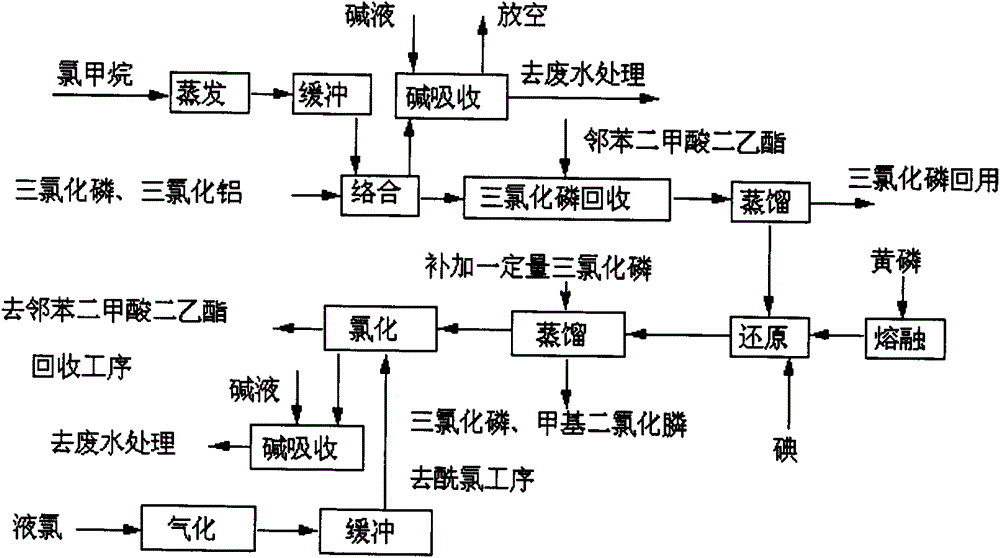
Figure 1 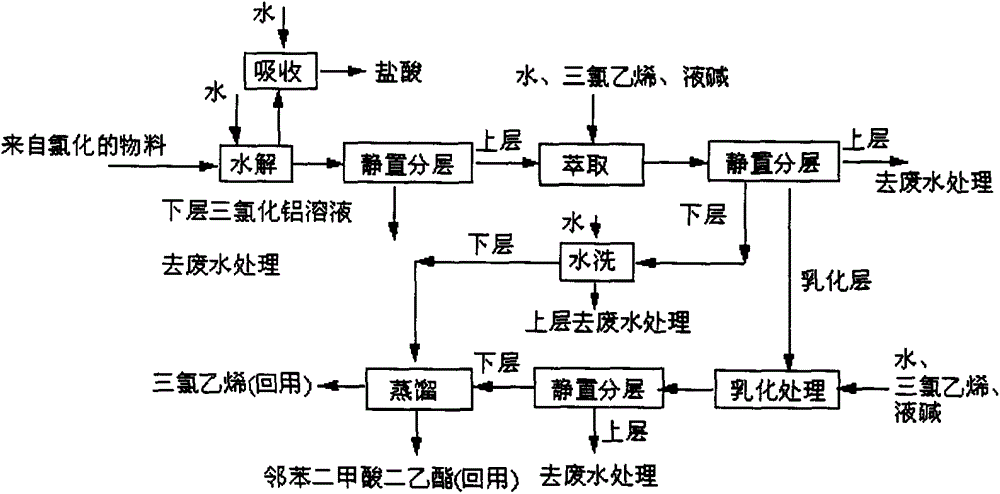
Figure 2 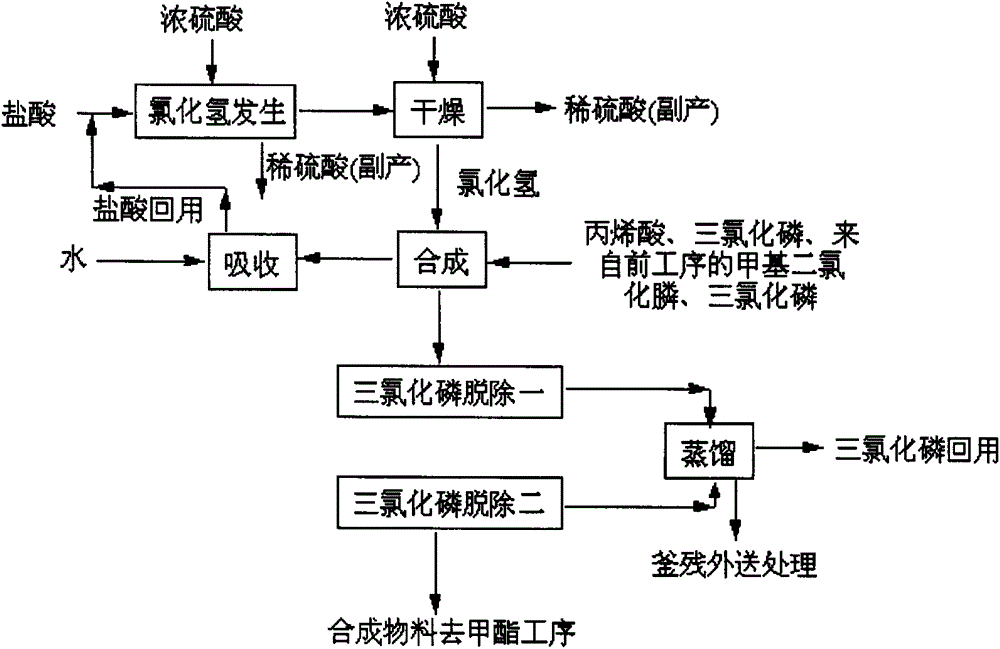
Figure 3
Abstract
Description
Technical field
[0001] The invention relates to a preparation method of organic compounds, in particular to a production process of 4-(hydroxy-(methyl)phosphinyl)-2-oxobutyric acid. Background technique
[0002] Glufosinate-ammonium, a phosphonic acid herbicide, is a glutamine synthesis inhibitor. It is a non-selective contact herbicide. It controls monocot and dicot weeds at 1~2kg / ha. It transfers in the leaves, but cannot transfer. Elsewhere, when glutamine synthesis is inhibited, ammonium ions accumulate and the photosynthetic layer is destroyed. This product can be used to control annual and perennial dicotyledons and gramineous weeds in orchards, vineyards, and non-arable land.
[0003] 4-(Hydroxy-(methyl)phosphinyl)-2-oxobutyric acid is an important intermediate for the synthesis of glufosinate-ammonium herbicide. It has the disadvantages of difficult storage and easy copolymerization. The longer the storage time, the dimer The higher; in addition, the common glufosinate-am...
Examples
Embodiment 1
[0061] reference Figure 1 to 6 , A process for producing 4-(hydroxy-(methyl)phosphinyl)-2-oxobutanoic acid, which sequentially includes the following steps:
[0062] (1) Synthesis of methyl phosphine dichloride: add quantitative phosphorus trichloride and aluminum trichloride to the complexing kettle in sequence, stir, heat up (heating by heat transfer oil) to 60℃, and pass in methyl chloride (methyl chloride evaporates) The hot water temperature of the heater is controlled at 40-50°C; the pressure of the methyl chloride buffer tank is about 0.2MPa), the reaction temperature in the complexing kettle is controlled at 70°C, the pressure is 0.2MPa, and the reaction is about 3 hours, stop feeding methyl chloride, and then heat to Keep the temperature at 130°C for 3 hours (control the kettle pressure 3 It is generated into hydrochloric acid and phosphorous acid in the water, and discharged from the exhaust cylinder after being neutralized by the alkali solution, and then transferred ...
Embodiment 2
[0092] reference Figure 1 to 6 , A production process of 4-(hydroxy-(methyl)phosphinyl)-2-oxobutanoic acid, which is different from Example 1 as follows:
[0093] (1) Synthesis of methyl phosphine dichloride: add quantitative phosphorus trichloride and aluminum trichloride to the complexing kettle in turn, stir, heat up (heating by heat transfer oil) to 50℃, and pass in methyl chloride (methyl chloride evaporates) The temperature of the hot water of the heater is controlled at 40-50℃; the pressure of the methyl chloride buffer tank is about 0.2MPa), the reaction temperature in the complexing kettle is controlled at 50℃, the pressure is 0.1MPa, and the reaction is about 5 hours, stop feeding methyl chloride, and then heat to Keep the temperature at 100°C for 3 hours (control the kettle pressure <0.3MPa); after the heat preservation, cool to below 60°C and release the pressure to normal pressure (the gas phase is discharged into the exhaust gas absorption device, and treated with ...
Embodiment 3
[0104] reference Figure 1 to 6 , A production process of 4-(hydroxy-(methyl)phosphinyl)-2-oxobutanoic acid, which is different from Example 1 as follows:
[0105] (1) Synthesis of methyl phosphine dichloride: add quantitative phosphorus trichloride and aluminum trichloride to the complexing kettle in sequence, stir, heat up (heating by heat transfer oil) to 20℃, and pass in methyl chloride (methyl chloride evaporates) The hot water temperature of the heater is controlled at 40-50°C; the pressure of the methyl chloride buffer tank is about 0.2MPa), the reaction temperature in the complexing kettle is controlled at 40°C, the pressure is 0.05MPa, and the reaction is about 8 hours, stop feeding methyl chloride, and then heat to At 60°C, heat preservation for 3 hours (control kettle pressure3 It is generated into hydrochloric acid and phosphorous acid in the water, and discharged from the exhaust cylinder after being neutralized by the alkali solution, and then transferred to the pho...