
A preparation method of fine-grained elemental spherical metal powder for 3D printing
A metal powder, 3D printing technology, applied in metal processing equipment, transportation and packaging, additive processing, etc., can solve the problems of low purity of metal or alloy powder, low raw material utilization rate, uncontrollable particle size, etc., to achieve low oxygen Content, increase yield, high density effect
Patent Information
- Authority / Receiving Office
- CN · China
- Patent Type
- Patents(China)
- Current Assignee / Owner
- Publication Date
- 2018-04-27
Smart Images
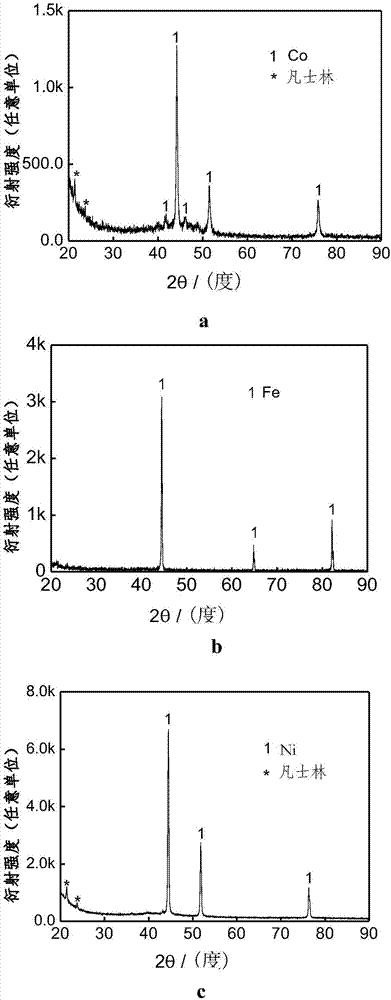
Figure 1 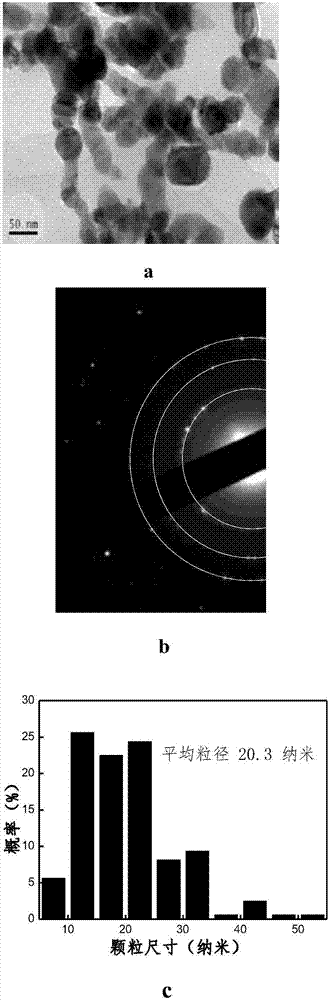
Figure 2 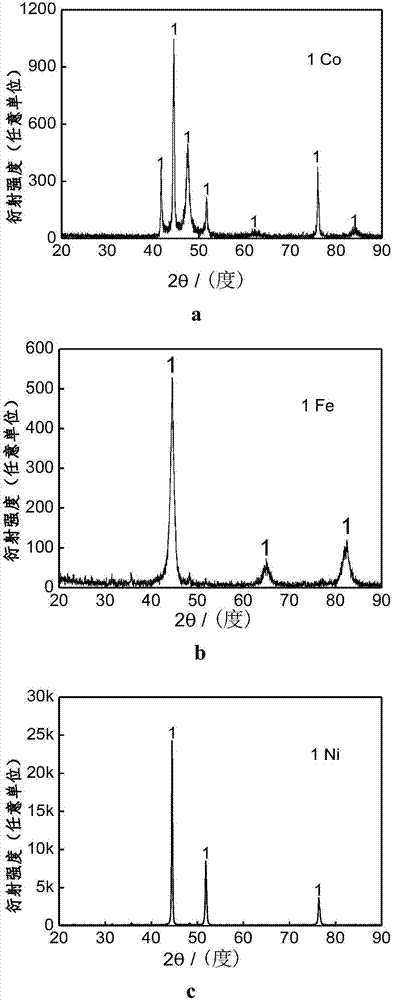
Figure 3
Abstract
Description
technical field
[0001] The invention relates to a method for preparing fine-particle elemental spherical metal powder for 3D printing, and belongs to the technical field of metal powder preparation. Background technique
[0002] 3D printing technology integrates cutting-edge technologies in many fields such as digital modeling technology, electromechanical control technology, information technology, material science and chemistry, and has been applied in product prototypes, mold manufacturing, bioengineering and medicine, jewelry making and other fields, and can replace traditional Fine processing technology and greatly improve the efficiency and precision of production. However, the 3D printing process puts forward higher requirements for metal powder materials, such as requiring a particle size range of 20-50 microns, high sphericity and low oxygen content. At present, the fine-grained spherical metal powder required in China basically relies on imports. Due to the bottle...
Examples
Embodiment 1
[0019] Embodiment 1. The raw material high-purity cobalt block (purity 99.99wt%) is used as the anode, and tungsten is used as the cathode. First, vacuumize and feed argon until the vacuum pressure reaches 0.04MPa, and form a high-intensity arc through discharge. After the arc is completed Introduce hydrogen until the vacuum pressure reaches 0.03MPa, and form solid high-purity cobalt nanoparticles by condensing the vaporized metal gas atoms. The phase detection spectrum is as follows: figure 1 a, Microscopic appearance as figure 2 a; using the existing patented technology (authorized patent number 201010219344.3), mix cobalt nanoparticles with polyvinyl alcohol, polyethylene glycol and deionized water, then ball mill for 60 minutes, and then mechanically stir for 20 minutes to obtain a uniform and stable suspension slurry , using closed-cycle spray drying equipment to carry out agglomeration and granulation to obtain spherical cobalt particles of 20-50 μm; use an argon-protec...
Embodiment 2
[0020] Example 2, the raw material high-purity iron block (purity 99.99wt%) is used as the anode, and argon gas is first introduced until the vacuum pressure reaches 0.05 MPa, and a high-intensity arc is formed through discharge, and hydrogen gas is introduced after the arc is completed until the vacuum pressure reaches 0.02 MPa. MPa, solid high-purity iron nanoparticles are formed by condensing vaporized metal gas atoms, and its phase detection spectrum is as follows figure 1 b, Selected area electron diffraction pattern and the crystal plane calibration results of the cubic crystal structure are as follows figure 2 b; Utilize the existing patented technology (authorized patent No. 201010219344.3), iron nanoparticles are mixed with polyvinyl alcohol, polyethylene glycol and deionized water, ball milled for 70min, and then mechanically stirred for 30min to obtain a uniform and stable suspension slurry, using The closed cycle spray drying equipment is used for agglomeration an...
Embodiment 3
[0021]Embodiment 3, the raw material high-purity nickel block material (purity 99.99wt%) is used as the anode, and argon gas is first introduced until the vacuum pressure reaches 0.06 MPa, and a high-intensity arc is formed by discharge, and hydrogen gas is introduced after the arc is completed until the vacuum pressure reaches 0.01 MPa. MPa, solid high-purity nickel nanoparticles are formed by condensing vaporized metal gas atoms, and its phase detection spectrum is as follows figure 1 c, the statistical results of particle size distribution of nano-nickel powder particles are as follows figure 2 c; Utilize existing patented technology (authorized patent No. 201010219344.3), nickel nanoparticles are mixed with polyvinyl alcohol, polyethylene glycol and deionized water, then ball milled for 80min, then mechanically stirred for 40min to obtain a uniform and stable suspension slurry, Closed cycle spray drying equipment is used for agglomeration and granulation to obtain spheric...