
Synthesis method for 3-methoxypropiophenone
A technology of methoxybenzene and synthesis method, which is applied in the field of synthesis of pharmaceutical intermediate compounds, can solve the problems of low yield and high cost, and achieve the effects of simple operation, low cost and advanced technology
Patent Information
- Authority / Receiving Office
- CN · China
- Patent Type
- Applications(China)
- Current Assignee / Owner
- Publication Date
- 2017-03-22
- Estimated Expiration
- Not applicable · inactive patent
Smart Images
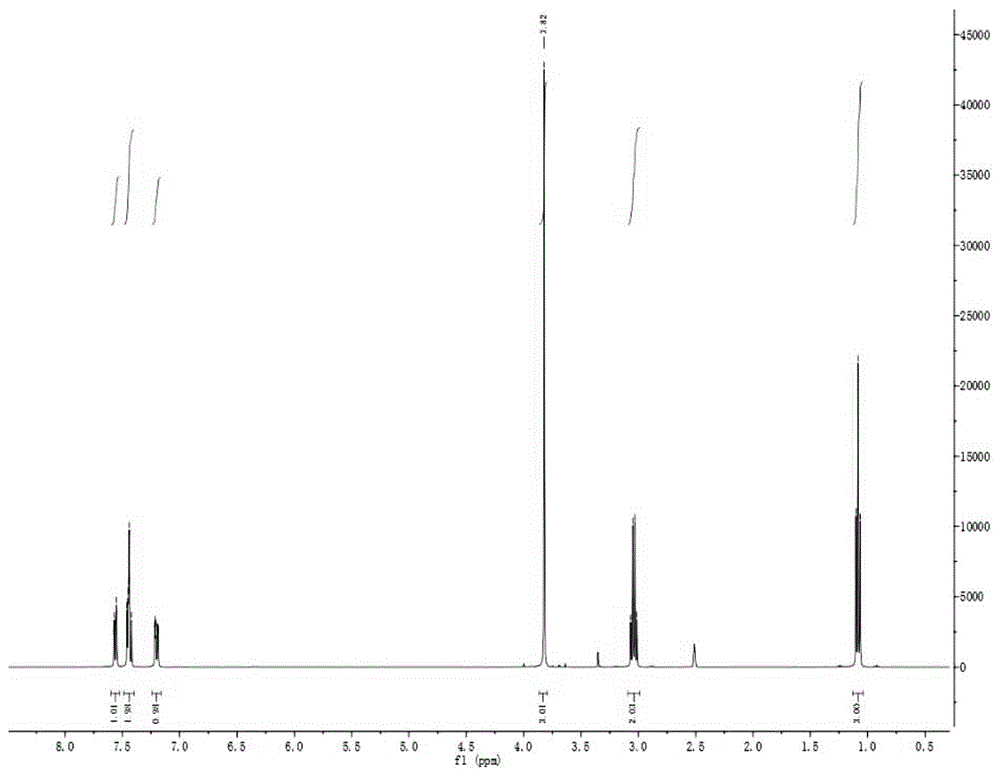
Figure 1 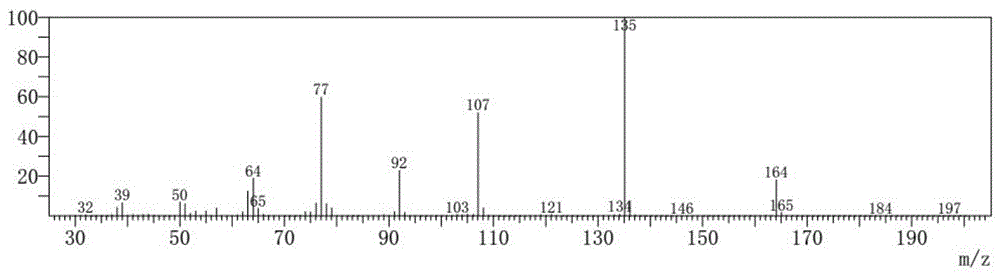
Figure 2 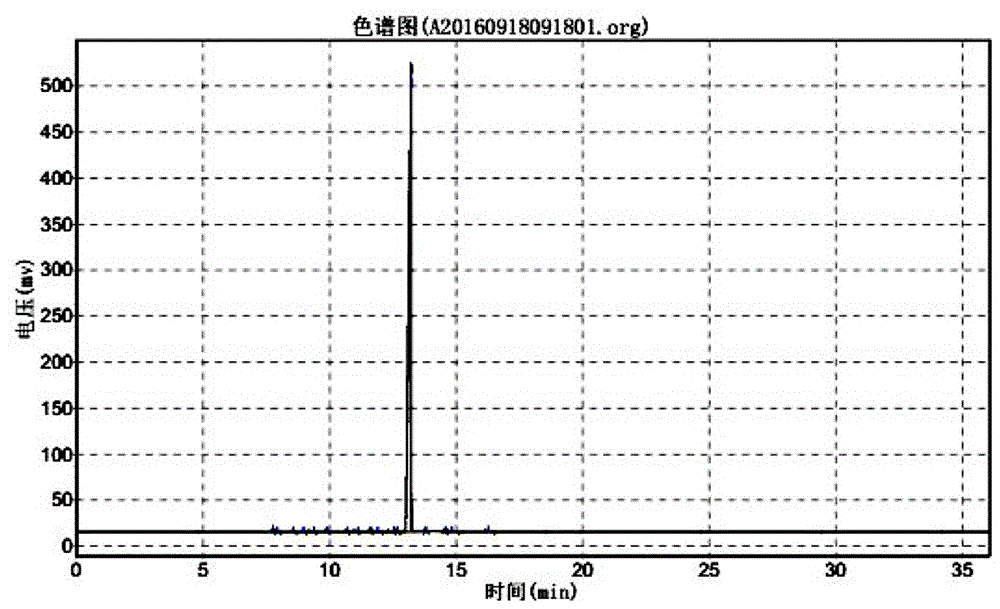
Figure 3
Abstract
Description
Technical field
[0001] The invention belongs to the field of synthesis of pharmaceutical intermediate compounds, and specifically relates to a synthesis method of 3-methoxypropiophenone.
[0002] technical background
[0003] Tapentadol hydrochloride, chemical name 3-[(1R,2R)-3-(dimethylamino)-1-ethyl-2-methylpropyl]phenol hydrochloride, is used It relieves moderate to severe acute pain in the central nervous system of adults and has good clinical efficacy. 3-Methoxypropiophenone is a key intermediate for the synthesis of tapentadol hydrochloride. At present, the traditional process for industrial production of 3-methoxypropiophenone at home and abroad uses 3-hydroxypropiophenone and dimethyl sulfate to react to obtain 3-methoxypropiophenone. -Methoxypropiophenone has high cost, many by-products, and low yield. Dimethyl sulfate is highly toxic and difficult to industrialize. Therefore, it is imperative to seek advanced technology and low production costs, and develop a gree...
Examples
Embodiment 1
[0020] Add 24.0 g (1.0 mol) of magnesium powder, 3.0 g of anhydrous aluminum trichloride, and 300 mL of tetrahydrofuran (THF) solution into a reaction flask equipped with a reflux condenser and a dropping funnel, and heat. Slowly add a mixed solution of 187.1 g (1.0 mol) of m-methoxy bromobenzene and 300 mL of tetrahydrofuran (THF) into the dropping funnel, and control the temperature of the reaction solution to 50-55°C to keep the solution in a slightly boiling state. After the addition, heat Reflux for 0.5-1.0h to ensure complete magnesium reaction and obtain Grignard reagent. Under stirring, 55.1 g (1.0 mol) of propionitrile was slowly added to the Grignard reagent, and after the addition was completed, the reaction was carried out for another 1.0-2.0 h. After the reaction is completed, add 3.0 mol / L hydrochloric acid dropwise slowly under a cold water bath to decompose the addition product and separate the inorganic phase. The organic phase is distilled off under normal pre...
Embodiment 2
[0026] The amount of m-methoxy bromobenzene was increased to 205.7 g (1.1 mol), propionitrile was 60.5 g (1.1 mol), and others were the same as in Example 1, and the yield of 3-methoxypropiophenone was 82.5%.
Embodiment 3
[0028] The amount of m-methoxy bromobenzene was increased to 224.5 g (1.2 mol), propionitrile was 66.1 g (1.2 mol), and the other same as in Example 1, the yield of 3-methoxypropiophenone was 85.8%.