
Low-frequency cell noise monitoring method and equipment for aluminum electrolysis cell process control
A technology of aluminum electrolytic cell and process control, which is applied in the field of aluminum electrolytic cell process control, and can solve problems such as inability to monitor low-frequency cell noise
Patent Information
- Authority / Receiving Office
- CN · China
- Patent Type
- Applications(China)
- Current Assignee / Owner
- Publication Date
- 2018-08-03
Smart Images
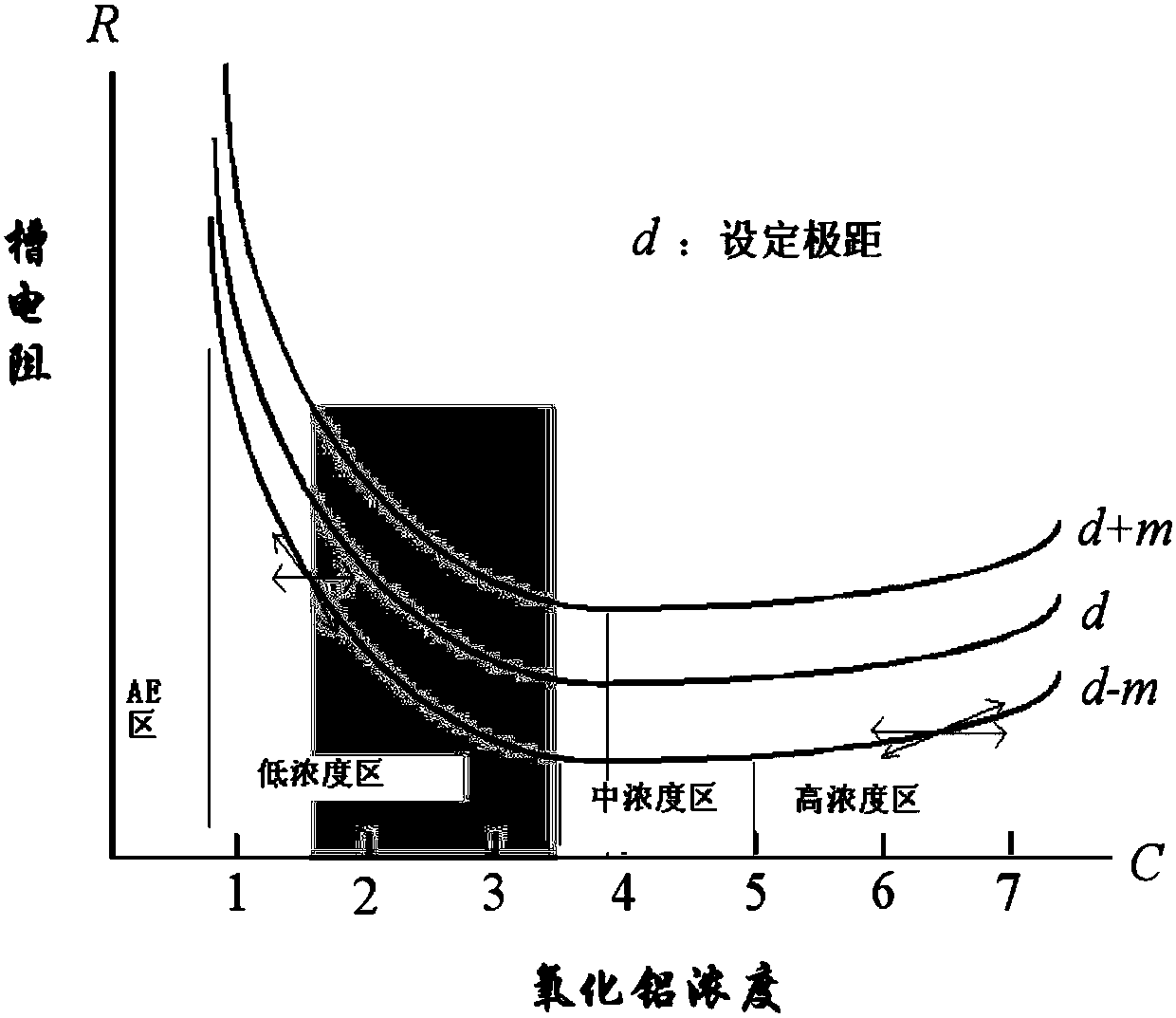
Figure 1 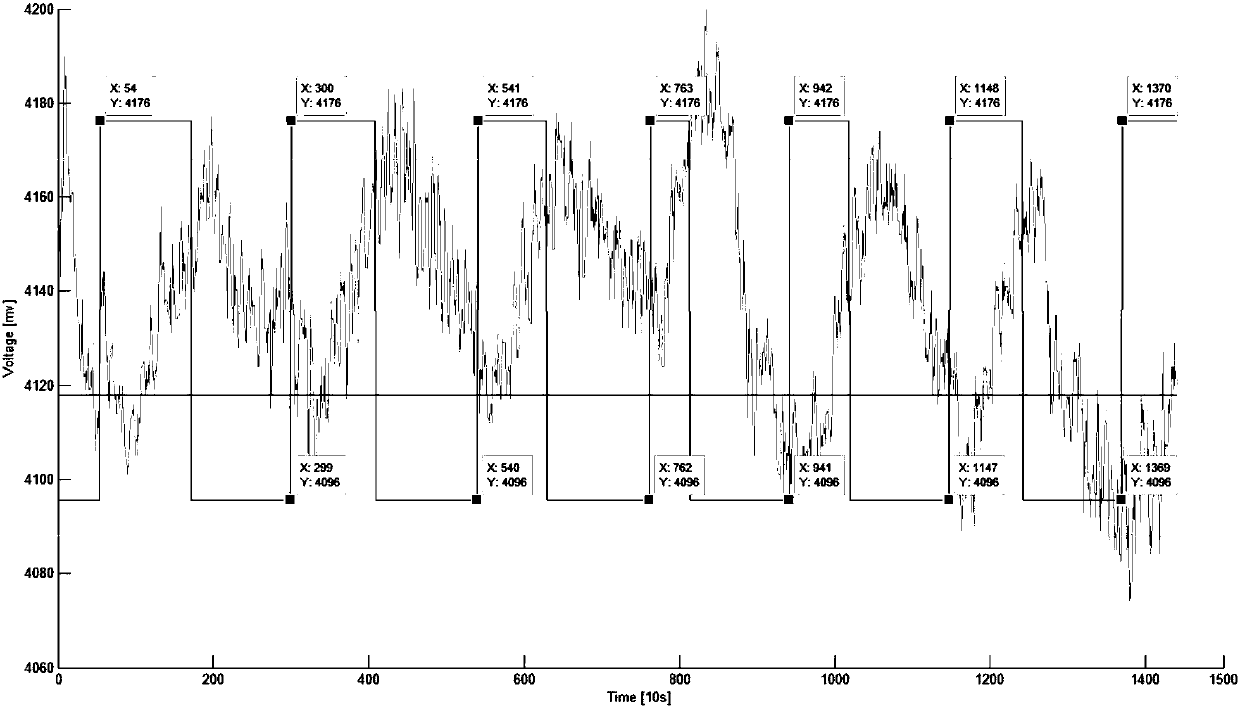
Figure 2 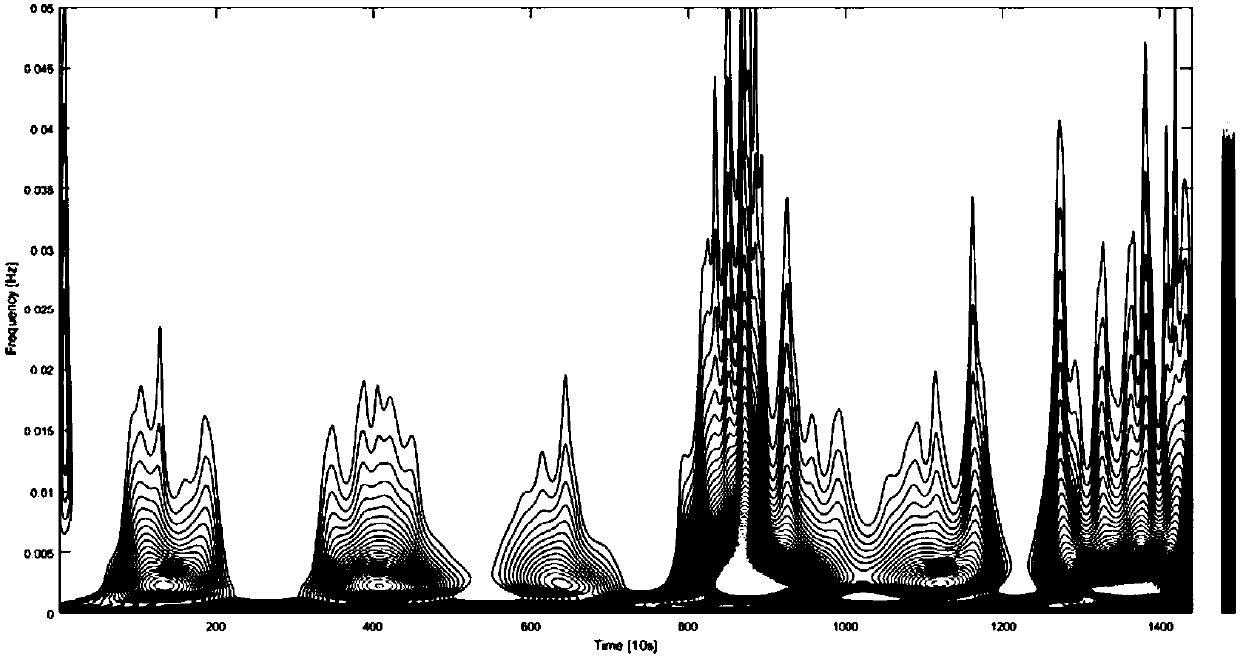
Figure 3
Abstract
Description
technical field
[0001] The invention relates to the field of aluminum electrolytic cell process control, in particular to a low-frequency cell noise monitoring method and equipment for aluminum electrolytic cell process control. Background technique
[0002] Cryolite-alumina molten salt electrolysis is the only way for the aluminum electrolysis industry to produce primary aluminum, and the aluminum electrolysis cell is the "heart" of the aluminum electrolysis production process. The raw material used in electrolysis is alumina, the electrolyte is molten cryolite, and a carbon anode is used. The result of electrolysis is molten aluminum on the cathode and carbon dioxide on the anode. . Due to the complex electrochemical, physical and chemical reactions involved in the aluminum electrolytic cell, the cryolite-alumina molten salt has the characteristics of high temperature and strong corrosion, so many key parameters cannot be directly measured online. At the same time, the ...
Examples
specific Embodiment
[0149] In the following, the sampling frequency of the 400kA aluminum electrolytic cell is f s =0.1Hz to normalize the tank voltage as an example, expand the description.
[0150] 1. Extraction of apparent alumina concentration
[0151] Take any section of normalized tank voltage data with obvious "under-rise and over-fall" law and record it as #1, as shown in Figure 2, there are 6 comprehensive cutting periods in Figure 2(a). The sampling frequency of this segment of data is 0.1 Hz, that is, Δt=10s, and the data length N=1440, that is, four hours of production data. When the aluminum electrolytic cell control machine collects this section of data, it does not have any routine operations such as aluminum discharge, pole change, and busbar lifting, nor does it have any special operations such as anode movement and edge processing, nor does it include special cell conditions such as anode effects.
[0152] In Fig. 2, the wavy curve is the normalized tank pressure, the middle a...