
A kind of regeneration method of deactivated catalyst
A deactivated catalyst, catalyst technology, applied in the direction of catalyst regeneration/reactivation, chemical instruments and methods, physical/chemical process catalysts, etc.
Patent Information
- Authority / Receiving Office
- CN · China
- Patent Type
- Patents(China)
- Current Assignee / Owner
- Publication Date
- 2021-10-08
Smart Images
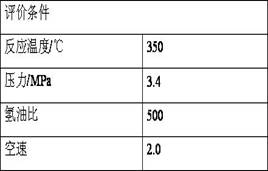
Figure 1 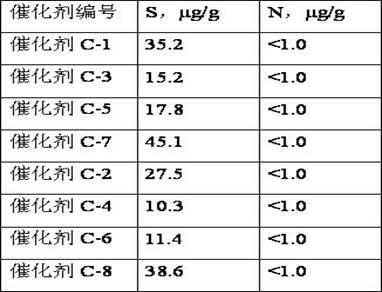
Figure 2 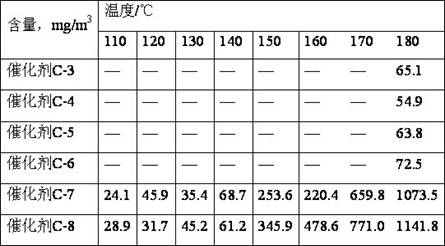
Figure 3
Abstract
Description
technical field
[0001] The invention relates to a catalyst treatment method, in particular to a regeneration method of a deactivated catalyst. Background technique
[0002] Hydroprocessing is a very important process for converting crude oil into high-value products, and its core is a hydroprocessing catalyst. The activity of the catalyst is provided by the sulfide state of the metal. The activity of the catalyst will gradually decrease during use, that is, the catalyst is deactivated. In summary, the reasons are generally divided into coking deactivation (causing catalyst pore blockage), poisoning deactivation (causing catalyst acid center poisoning) and sintering deactivation (causing catalyst crystal phase changes), etc. The main reasons for the deactivation of industrial hydrogenation catalysts are coke formation and metal blockage, migration or aggregation of active metal components, changes in phase composition, reduction in the number of active centers, sintering of...
Examples
Embodiment 1
[0026] Take a deactivated hydrotreating catalyst with a carbon deposition of 6.5%, and its active metal components are Mo and Ni, and perform carbon burning regeneration treatment in an oxygen-containing atmosphere. At a heating rate of 3°C / min, the temperature was raised to 200°C, kept at a constant temperature for 10 hours, and then continued to rise to 330°C, kept at a constant temperature for 8 hours. The obtained sample had a carbon content of 1.5% and a sulfur content of 1.8%. The obtained sample was named C-1.
[0027] Take a deactivated hydrotreating catalyst with a carbon deposition of 8.2%, and its active metal components are Mo, Ni, and Co, and use different conditions to perform carbon regeneration treatment in an oxygen-containing atmosphere. At a heating rate of 3°C / min, the temperature was raised to 200°C, kept at a constant temperature for 10 hours, and then continued to rise to 320°C, kept at a constant temperature for 10 hours. The obtained sample had a carbo...
Embodiment 2
[0029] Take 61g of tetrakis hydroxymethyl phosphorus sulfate aqueous solution (solution concentration is 75wt%), spray catalyst C-1, after aging for 3 hours, treat at 100°C for 3 hours, take 14g of DMDS and 9ml of hydrazine hydrate and spray it, Heat treatment at a low temperature of 100°C for 3 hours. That is, the desired catalyst C-3 is obtained.
Embodiment 3
[0031] Take 55g of tetrahydroxyethylphosphorus sulfate, dilute it with water to form a 70ml solution, spray the catalyst C-2 with the solution, and after aging for 3 hours, heat treat at 80°C for 3 hours, take 12g of carbon disulfide and 9ml of hydrazine hydrate solution and spray , heat treatment at 100°C for 3 hours. That is, the desired catalyst C-4 is obtained.