
Cell membrane magnetic carbon nanotube drug screening material and preparation method and application
A technology of magnetic carbon nanotubes and cell membranes, which is applied in the field of bionic materials, can solve problems such as membrane coating shedding and instability, and achieve the effects of improving bonding strength, stability, and high stability
Patent Information
- Authority / Receiving Office
- CN · China
- Patent Type
- Applications(China)
- Current Assignee / Owner
- Publication Date
- 2019-12-03
- Estimated Expiration
- Not applicable · inactive patent
Smart Images
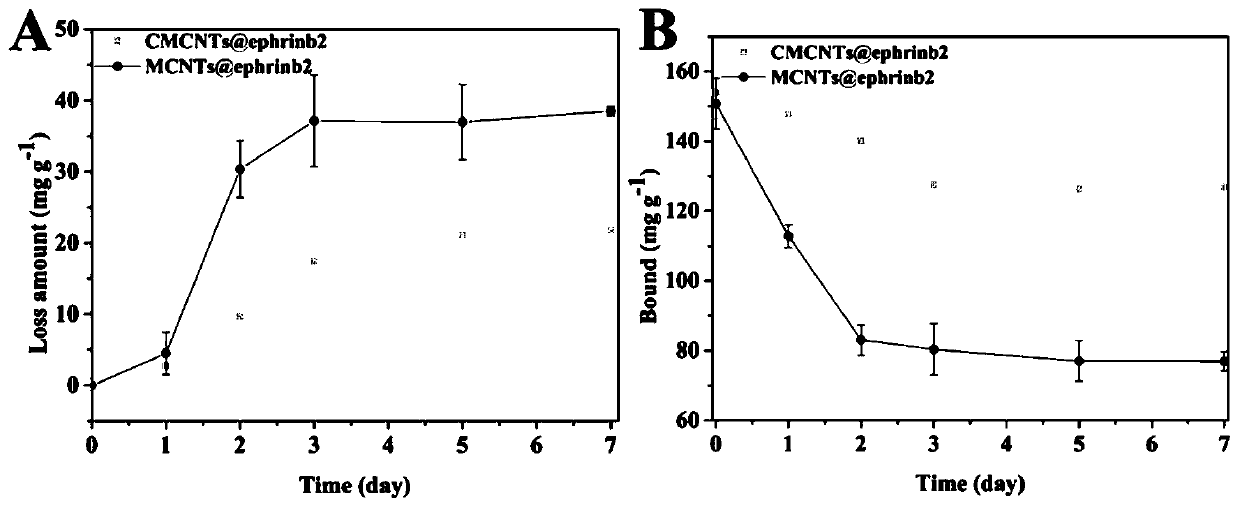
Figure 1 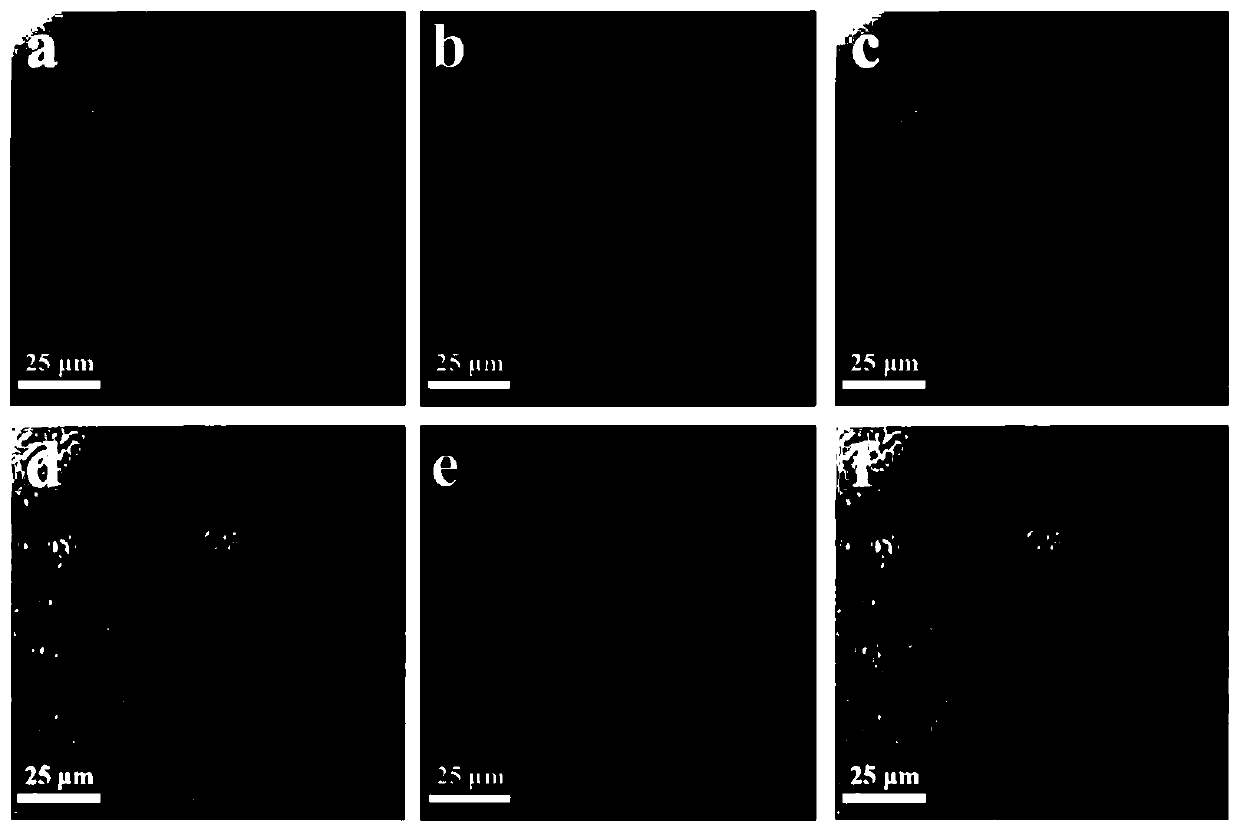
Figure 2 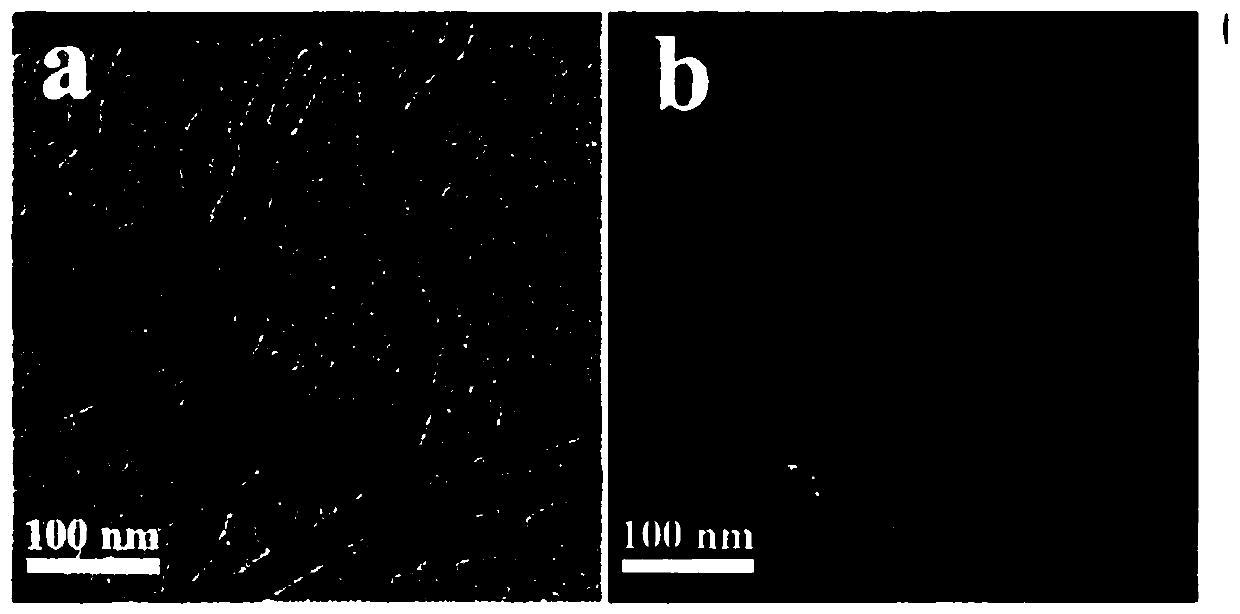
Figure 3
Abstract
Description
technical field
[0001] The invention belongs to the technical field of bionic materials, and relates to a cell membrane magnetic carbon nanotube drug screening material, a preparation method and an application. Background technique
[0002] Carbon nanotubes (CNTs) is a frontier subject of research in academia and various industrial fields. Due to their excellent mechanical, structural, and electronic properties, they have been widely used in hydrogen storage, batteries, drug delivery systems, antimicrobial therapy, biosensor diagnosis, and analysis. More importantly, its inherent high specific surface area makes it have excellent adsorption capacity and has a wide range of applications in the field of extraction. However, due to the lack of adsorption selectivity of CNTs, its application in the specific screening of lead compounds is limited. In recent years, in order to increase the specificity of adsorption, great progress has been made in the functionalization strategy ...
Examples
Embodiment 1
[0042] 1. Materials and methods
[0043] 1. Experimental materials
[0044] CNTs-COOH (Jiangsu Xianfeng Nano Material Technology Co., Ltd.); ferrous sulfate heptahydrate (FeSO 4 ·7H 2 O), ferric chloride hexahydrate (FeCl 3 ·6H 2 O), ammonia (25%) (Guangdong Guanghua Science and Technology Co., Ltd.); RIPA lysis buffer (WB009, Xi'an Hert Biotechnology Co., Ltd.). DiI dye (Shanghai Biyuntian Biotechnology Co., Ltd.). Neoaconitine, deltaline, 13-dehydroxyaconitine (Baoji Chenguang Biotechnology Co., Ltd.). Gefitinib, nitrendipine, verapamil, tamsulosin (Nanjing Ange Pharmaceutical Chemical Co., Ltd.). Aconitum (Shaanxi Xi'an Pharmaceutical Market).
[0045] 2. Preparation of CMCNTs@ephrinb2
[0046] 2.1 Preparation of CMCNTs
[0047] MCNTs were prepared by one-step co-precipitation method, the specific process is: 0.06g FeCl 3 ·6H 2 O and 0.03gFeSO 4 ·7H 2 O was ultrasonically dissolved in 80 mL of distilled water, and 0.1 g of CNTs was ultrasonically dispersed and ...
Embodiment 2
[0088] Select the ephrinb2 / HEK293 cells that have been attached to the wall of the bottle, and count the cells. When the number of cells is not less than 10 7 Digest with trypsin solution to obtain cell suspension; centrifuge the cell suspension to precipitate ephrinb2 / HEK293 cells, add Tris-HCl buffer solution to ephrinb2 / HEK293 cells, then ultrasonically break the cells, and finally centrifuge to obtain The supernatant was centrifuged, and the resulting pellet was the cell membrane. The cell membrane was resuspended with physiological saline to obtain a cell membrane suspension.
[0089] FeCl 3 ·6H 2 O and FeSO 4 ·7H 2 O was dissolved in distilled water, and then CNTs were added to adjust the pH value to 9. Under the protection of nitrogen, the mixture was stirred at 70°C for 70 min and magnetically separated to obtain MCNTs. Among them, FeCl 3 ·6H 2 O, FeSO 4 ·7H 2 The ratio of O to CNTs is 0.05g:0.05g:0.08g.
[0090] Disperse CMCNTs in water to form an aqueous MC...
Embodiment 3
[0093] Select the ephrinb2 / HEK293 cells that have been attached to the wall of the bottle, and count the cells. When the number of cells is not less than 10 7 Digest with trypsin solution to obtain cell suspension; centrifuge the cell suspension to precipitate ephrinb2 / HEK293 cells, add Tris-HCl buffer solution to ephrinb2 / HEK293 cells, then ultrasonically break the cells, and finally centrifuge to obtain The supernatant was centrifuged, and the resulting pellet was the cell membrane. The cell membrane was resuspended with physiological saline to obtain a cell membrane suspension.
[0094] FeCl 3 ·6H 2 O and FeSO 4 ·7H 2 O was dissolved in distilled water, and then CNTs were added to adjust the pH value to 11. Under the protection of nitrogen, the mixture was stirred at 90°C for 50 min, and magnetically separated to obtain MCNTs. Among them, FeCl 3 ·6H 2 O, FeSO 4 ·7H 2 The ratio of O to CNTs is 0.10g:0.01g:0.12g.
[0095]Disperse CMCNTs in water to form an aqueous M...