
Latex electrodeposition device
An electrodeposition device and latex technology, applied in the field of rubber processing, can solve the problems of large corrosion of equipment, increased solid colloids, long acid solidification time, etc., and achieve the effect of leveling the liquid level
Patent Information
- Authority / Receiving Office
- CN · China
- Current Assignee / Owner
- Publication Date
- 2020-01-17
Smart Images
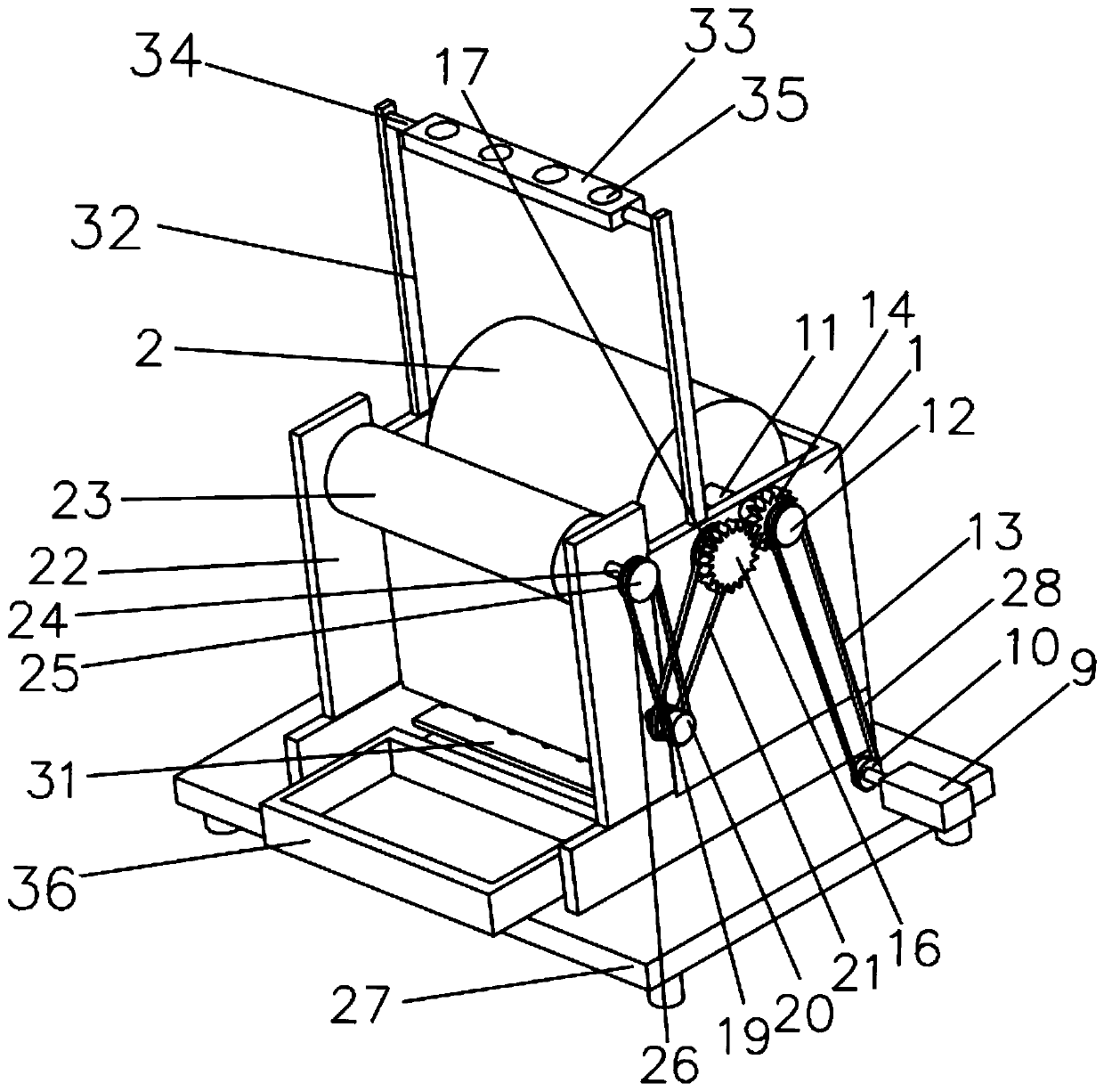
Figure 1 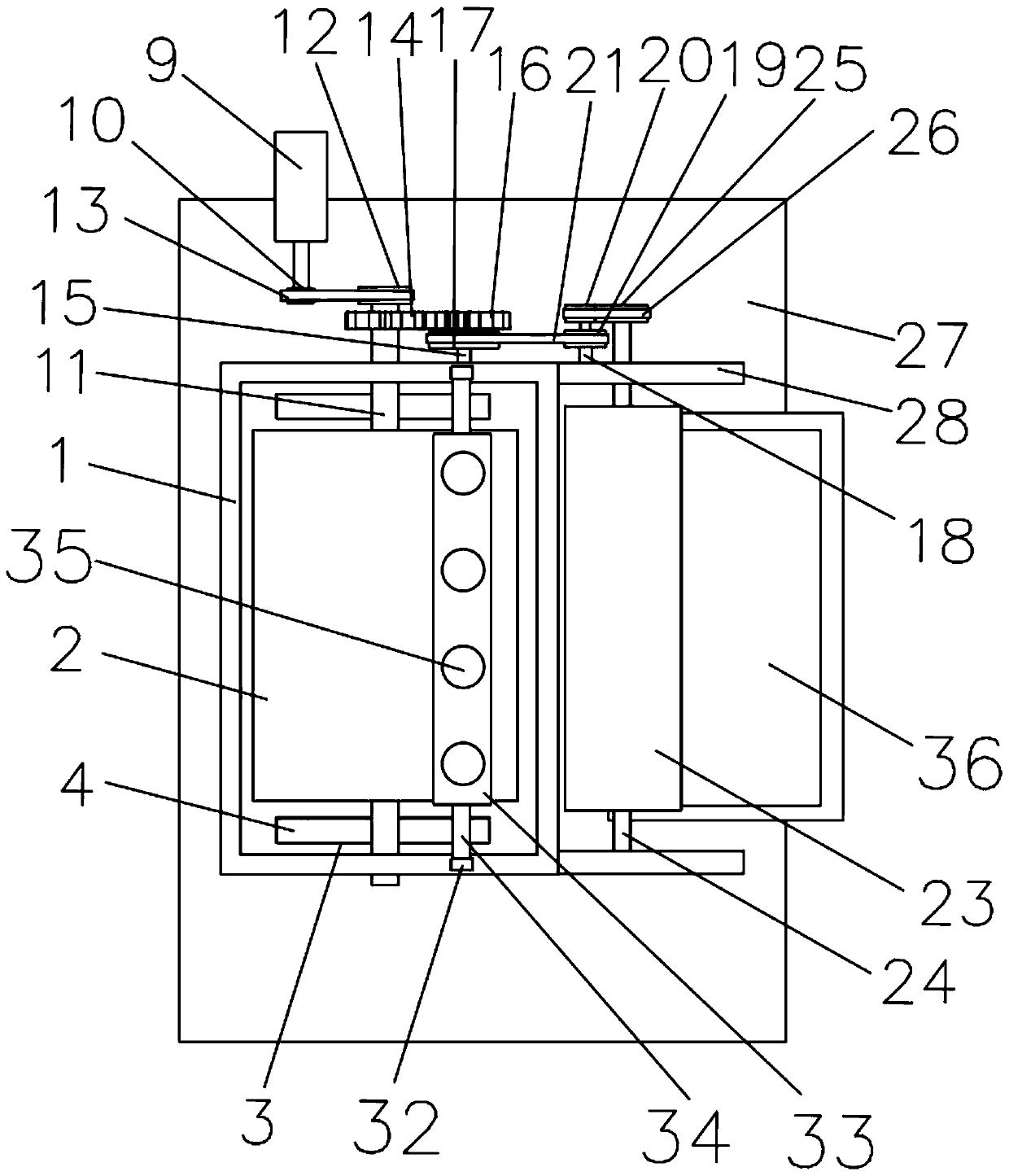
Figure 2 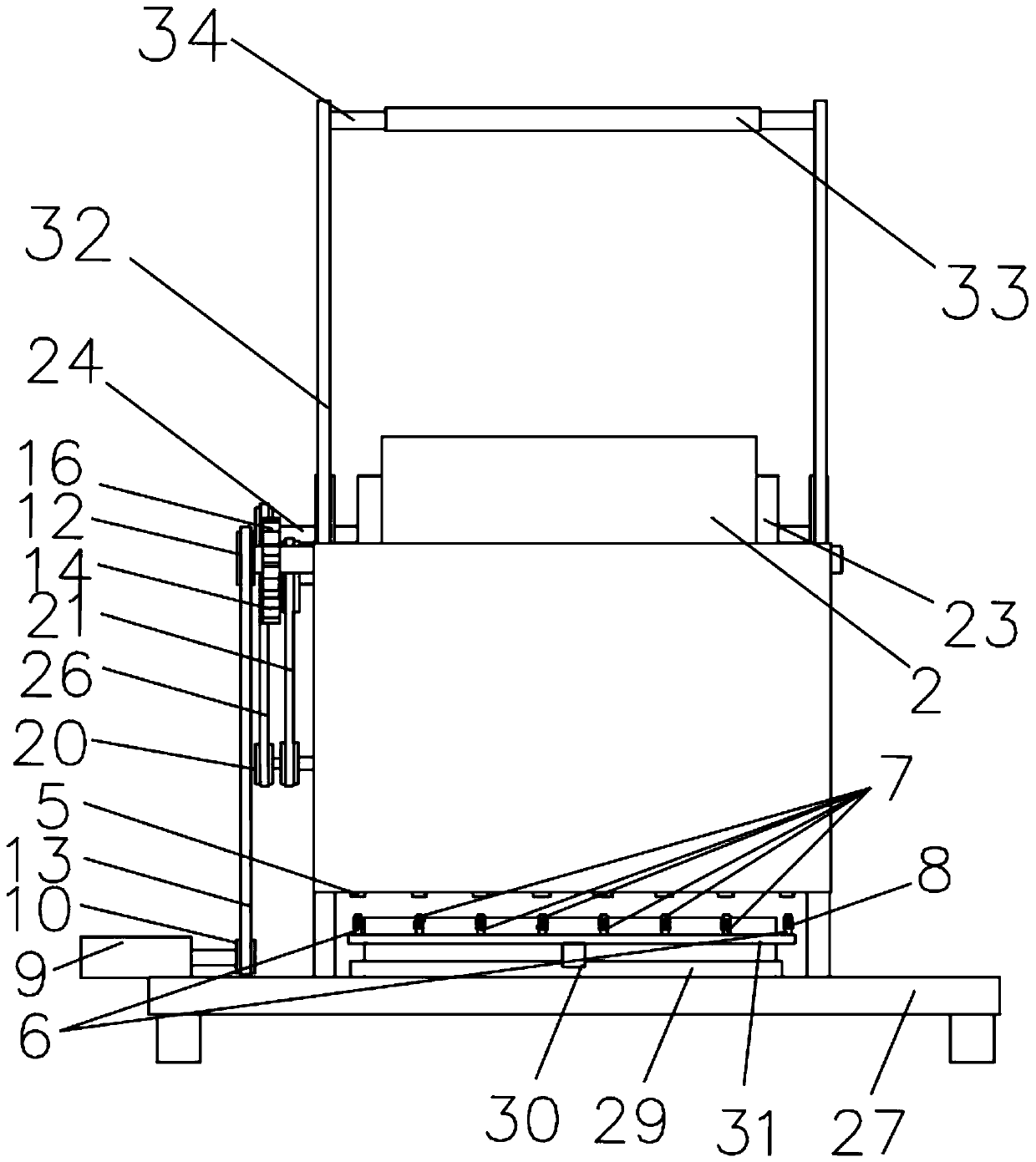
Figure 3
Abstract
Description
technical field
[0001] The invention belongs to the field of rubber processing, and in particular relates to a latex electrodeposition device. Background technique
[0002] The coagulation of latex is an important link that affects the quality of rubber. Existing processing plants all use coagulants such as formic acid, acetic acid, sulfuric acid, and inorganic salts to coagulate. Although this method requires simple and easy-to-operate equipment and processes, it also has many shortcomings: 1. The acid coagulation time is long, the product quality is difficult to control, unstable and the continuous production capacity is poor; 2. The product has a strong taste and has certain harm to the human body; 3. The acid corrodes the equipment, etc., which limits its industrialization degree. In addition, it is unavoidable to use coagulants such as sulfuric acid and inorganic salts in the production process, and the cost is high, and the waste water containing sulfate radicals and o...
Examples
Embodiment Construction
[0021] In order to better understand the technical content of the present invention, specific embodiments are provided below, and the present invention is further described in conjunction with the accompanying drawings.
[0022] see Figure 1 to Figure 4, a latex electrodeposition device of the present invention includes a negative electrode pool 1 for holding glue and a drive mechanism, which can continuously add glue into the negative electrode pool 1 during the electrodeposition process to ensure that the negative electrode pool 1 The change of the liquid level is small, the output end of the drive mechanism is provided with a positive electrode reactor 2, which is rotationally connected with the negative electrode pool 1, and the bottom of the negative electrode pool 1 is provided with several strip holes 3 , the inside of the strip-shaped hole 3 is provided with an elastic layer 4, and also includes a plurality of first magnets 5, and a plurality of second magnets 6 are a...