

Microneedle patch for improving skin acne and preparation method thereof
A technology for skin improvement and microneedle sticking, applied in the field of medicine, can solve the problems of expensive microneedle anti-acne projects, exudation of interstitial fluid, severe pain and itching, etc., achieve good absorption effect, promote rewetting and absorption, and relieve acne symptoms Effect
Patent Information
- Authority / Receiving Office
- CN · China
- Patent Type
- Patents(China)
- Current Assignee / Owner
- Publication Date
- 2022-02-08
Smart Images
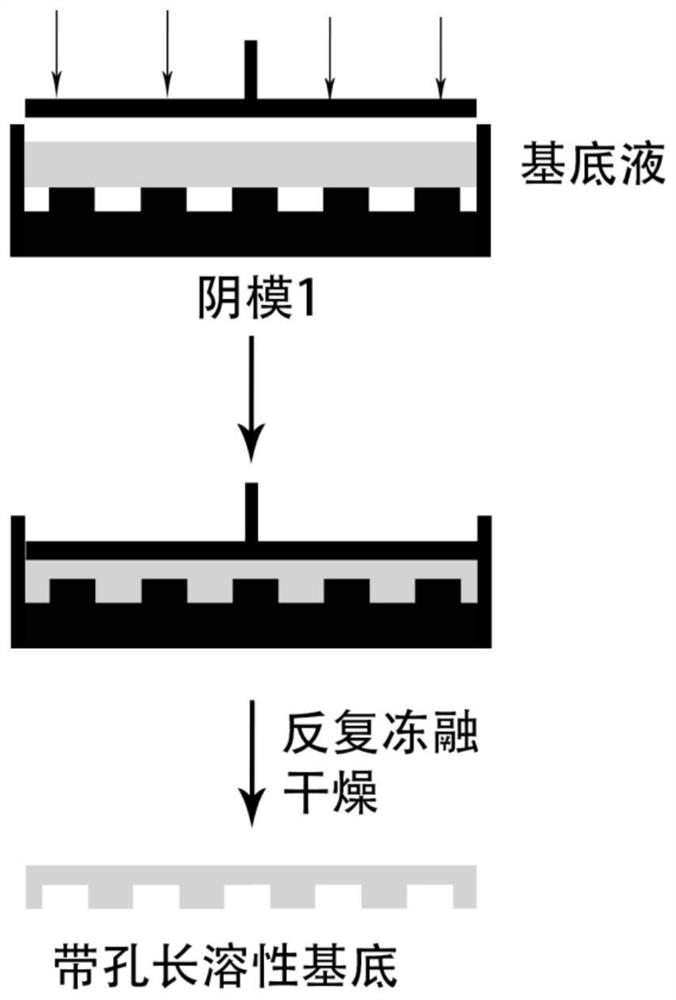
Figure 1 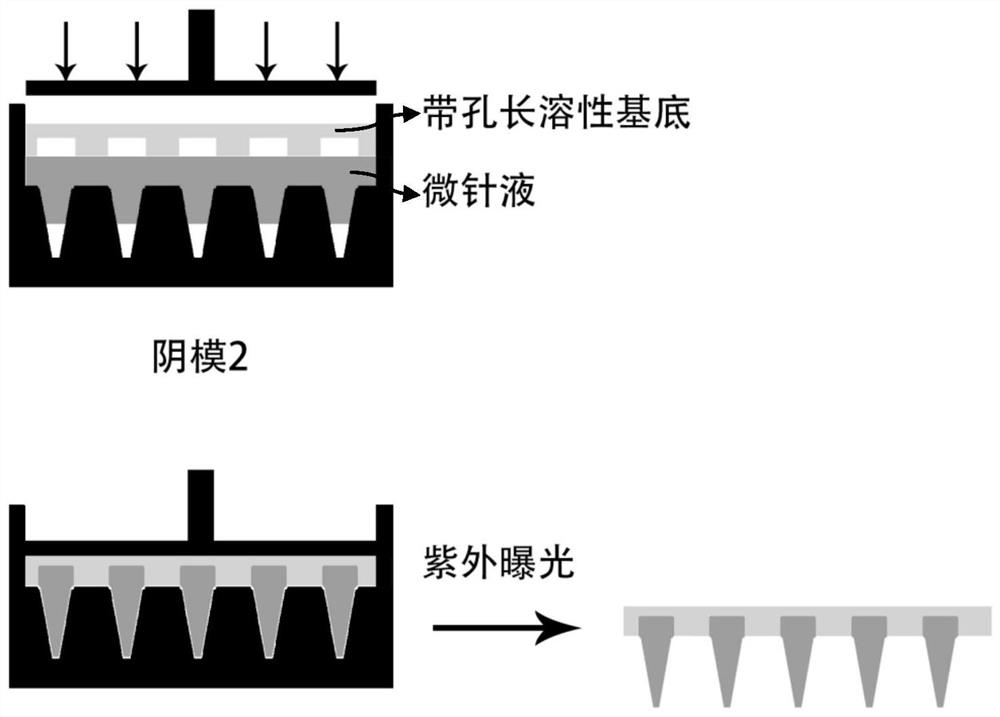
Figure 2 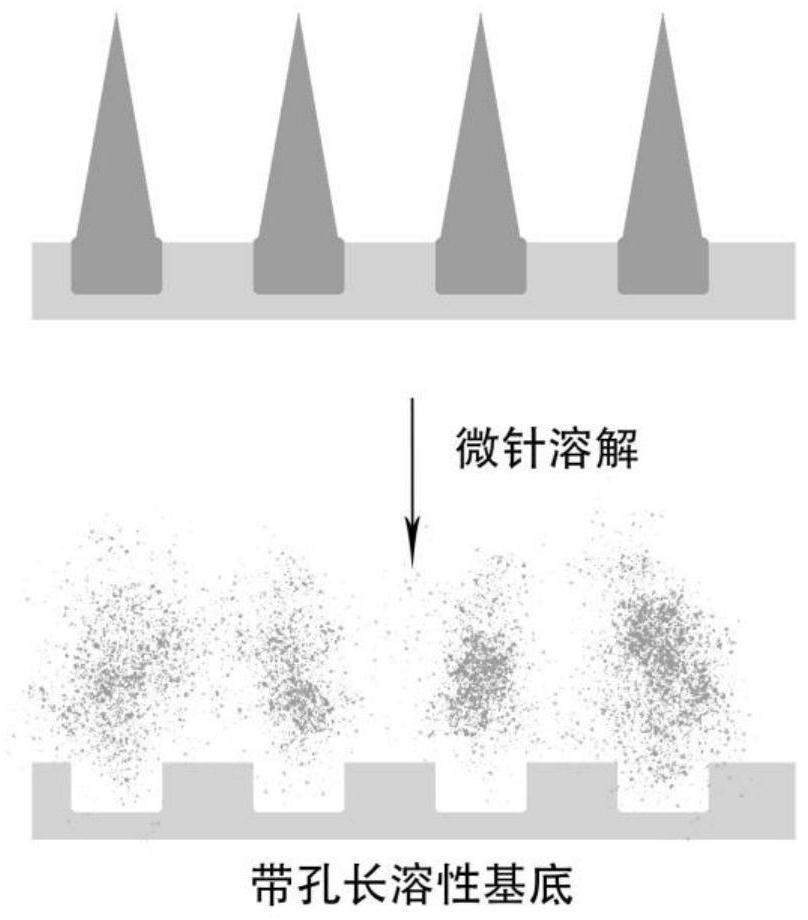
Figure 3
Abstract
Description
technical field
[0001] The invention relates to the field of medicine, in particular to a microneedle patch for improving skin acne and a preparation method thereof. Background technique
[0002] Facial acne, commonly known as acne, is a common facial skin disease. The pathogenesis of acne is still not fully elucidated. Hormone-induced sebaceous gland excessive secretion of lipids, abnormal keratinization of pilosebaceous gland ducts, proliferation of hair follicle microorganisms such as Propionibacterium acnes, and inflammation and immune responses in the genetic background are related to it. Genetic factors play an important role in the occurrence of acne, especially severe acne; androgen is the main inducing factor leading to sebaceous hyperplasia and massive lipid secretion, and other hormones such as insulin-like growth factor-1 (IGF-1), insulin, growth hormone, etc. It may also be related to acne; a large amount of lipid secretion by sebaceous glands is considered a ...
Examples
preparation example Construction
[0045] This embodiment also provides a method for preparing the above-mentioned microneedle patch, which includes the following steps:
[0046] (1) Preparation of porous substrate: mix excipients, penetrants and drugs for improving skin acne with water and dichloromethane, pour the obtained substrate solution into the negative mold of the microneedle substrate, press under vacuum, freeze and thaw Repeat 1 to 3 times to dehydrate to obtain a substrate with holes;
[0047] (2) Preparation of microneedle liquid: dissolving the soluble material in water, adding the medicine for improving skin acne, to obtain microneedle liquid;
[0048] (3) Preparation of microneedle patch: Pour the microneedle liquid into the microneedle female mold, place the perforated base on the microneedle liquid with the holes facing down, press under vacuum to remove solvent and water.
[0049] The excipients and penetrants in the base help to cross-link into a network microporous structure after repeated...
Embodiment 1
[0070] The present disclosure also provides a method for preparing a microneedle patch for acne removal and beauty treatment, comprising the following steps:
[0071] (1) Preparation of slow dissolving porous substrate: Weigh the following components by weight and mix them: 20 parts of lactic acid / glycolic acid copolymer, 0.5 part of eugenol, 0.5 part of borneol, 1 part of benzoyl peroxide dissolved in 80 parts of two In methyl chloride, 10 parts of polyvinyl alcohol, 0.3 part of Danshen extract, 0.5 part of chrysanthemum extract, and 2 parts of aloe extract were dissolved in 150 parts of water. Mix and emulsify the above components, make a solution and pour it into a special female mold 1 that can be made into a shape with holes (the shape of the female mold 1 is as follows: figure 1 shown), pressed at -0.07mpa vacuum, frozen at a temperature of about -20°C for 6-12 hours, and thawed at room temperature for 1-2 hours. The above freezing and thawing process was repeated 1-3 ti...
Embodiment 2
[0077] (1) Preparation of slow-dissolving porous substrate: Weigh the following components by weight and mix them: 10 parts of lactic acid / glycolic acid copolymer, 0.5 part of borneol, 0.5 part of eugenol, and 1 part of benzoyl peroxide are dissolved in 60 parts of two In methyl chloride, 20 parts of polyvinyl alcohol, 0.3 part of Danshen extract, 0.5 part of chrysanthemum extract, and 2 parts of aloe extract were dissolved in 180 parts of water. Mix and emulsify the above components, make a solution, pour it into a special female mold 1 that can be made into a shape with holes, press it under a vacuum of -0.07mpa, and freeze it at a temperature of about -20°C for 6 to 12 hours. thawing at low temperature for 1-2 hours, the above freezing and thawing process was repeated 1-3 times, and then vacuum dehydration and solvent were performed, and after drying, a perforated substrate with long solubility was obtained.
[0078] (2) Preparation of soluble microneedle liquid: Weigh and ...