
A degradable shape memory polymer and its preparation method and application, 4D printing degradable inferior vena cava filter
A technology of memory polymer and vena cava, which is applied in drug delivery, medical formula, surgery, etc., can solve the problems of increasing the economic burden of patients, radiation exposure of surgeons, perforation of inferior vena cava, etc., and achieve good biocompatibility and enhanced Effects of mechanical properties, good flexibility and processability
Patent Information
- Authority / Receiving Office
- CN · China
- Patent Type
- Patents(China)
- Current Assignee / Owner
- Publication Date
- 2022-04-22
Smart Images
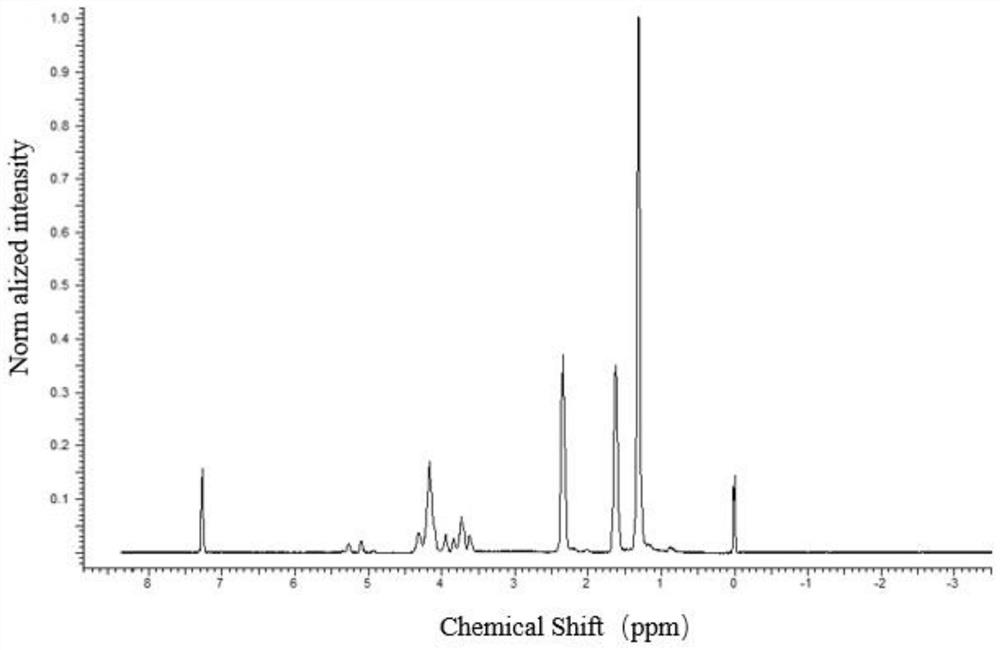
Figure 1 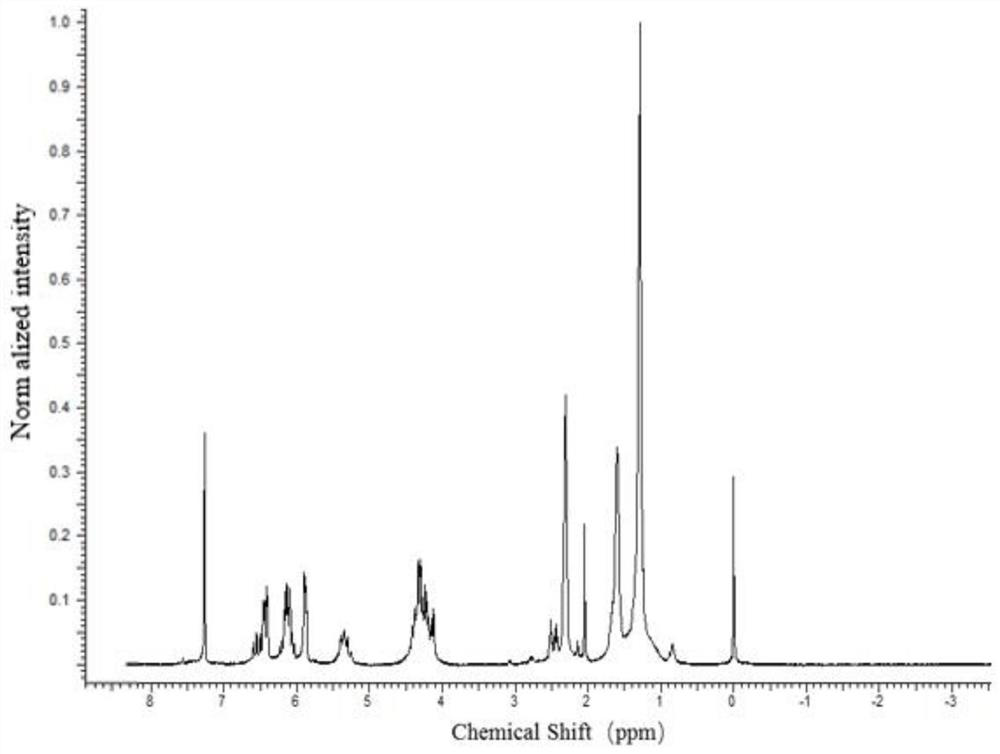
Figure 2 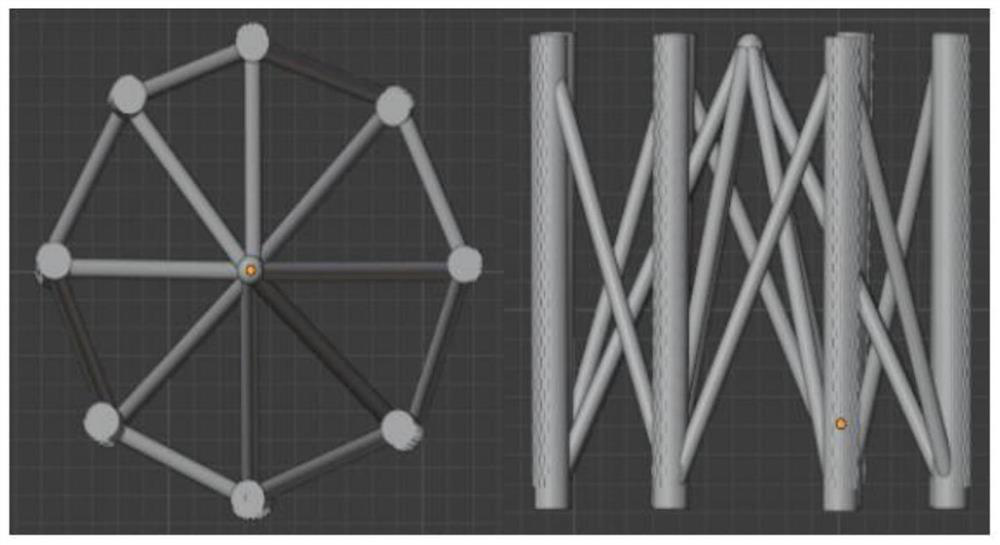
Figure 3
Abstract
Description
technical field
[0001] The invention relates to the technical field of implantable medical devices, in particular to a degradable shape memory polymer, a preparation method and application thereof, and a 4D printed degradable inferior vena cava filter. Background technique
[0002] Deep vein thrombosis is a disorder of venous return caused by abnormal coagulation of blood in deep veins, which often occurs in the lower extremities. The shedding of emboli can cause pulmonary embolism, which has high morbidity and mortality worldwide. By inserting an inferior vena cava filter and using its mesh filter structure to capture blood clots, fatal pulmonary embolism can be prevented. Since the inferior vena cava filter entered the stage of interventional therapy, it has experienced step-by-step improvements in permanent filters, temporary filters, and recyclable filters. However, the inferior vena cava filters currently used in clinical practice are mainly made of nickel-titanium allo...
Examples
preparation example Construction
[0039] The present invention provides a preparation method of the degradable shape memory polymer described in the above technical solution, comprising the following steps:
[0040] Mix polyglyceryl sebacate acrylate, hydroxyethyl methacrylate and a photoinitiator, and carry out crosslinking reaction under light conditions to obtain a degradable shape memory polymer.
[0041] The invention mixes polyglyceryl sebacate acrylate, hydroxyethyl methacrylate and photoinitiator. In the present invention, the mass ratio of polyglyceryl sebacate acrylate to hydroxyethyl methacrylate is preferably 1:1˜7:3, more preferably 1.2:1.
[0042] In the present invention, the polyglyceryl sebacate acrylate has a structure shown in formula 1:
[0043] Formula 1; the number average molecular weight of the polyglyceryl sebacate acrylate is 1900-5100 Da.
[0044] In the present invention, the preparation method of described polyglyceryl sebacate acrylate preferably comprises the following steps: ...
Embodiment 1
[0082] Take by weighing 21g glycerol (glycerol) and 46.1g sebacic acid and add in the there-necked flask, adopt magnetic stirring, N 2 Under protection, carry out the polymerization reaction at 120°C for 24 hours, and use a water separator and a condenser to remove moisture;
[0083] Remove water separator and condenser tube and N 2 Atmosphere, connect the vacuum pump, set the vacuum degree to be-800mbar, and continue to polymerize for 24h to obtain a light yellow viscous PGS polymer (light yellow waxy at room temperature), and the measured number average molecular weight is 3570Da;
[0084] Add 25g PGS polymkeric substance and 250mL methylene dichloride in the there-necked flask, make the mass concentration of gained polyglyceryl sebacate solution be 10%, under N 2 Add 9.9166g of triethylamine under protection, and then magnetically stir for 30min in an ice bath at 4°C to obtain a mixed solution; add 8.869g of acryloyl chloride dropwise to the mixed solution, and continue to...
Embodiment 2
[0088] Take by weighing 21g glycerol (glycerol) and 46.1g sebacic acid and add in the there-necked flask, adopt magnetic stirring, N 2 Under protection, carry out the polymerization reaction at 120°C for 24 hours, and use a water separator and a condenser to remove moisture;
[0089] Remove water separator and condenser tube and N 2 atmosphere, connect the vacuum pump, set the vacuum degree to be-800mbar, and continue to polymerize for 12h to obtain a light yellow viscous PGS polymer (light yellow waxy at room temperature), and the number average molecular weight recorded is 1953Da; and according to the modification of Example 1 The PGSA polymer is prepared by acrylation reaction by a unique method;
[0090] Get 10g PGSA and mix with 5.385g hydroxyethyl methacrylate (mass percentage 65%: 35%), add 307mg photoinitiator DMPA (by mass percentage 2%) and mix uniformly, at wavelength 365nm, intensity 10mW / cm 2 Under the irradiation of ultraviolet light, the crosslinking reaction ...