
Mucor racemosus and application thereof
A technology of Mucor racemosa, M-THF-03, applied in fungi, microorganisms, microorganism-based methods, etc., can solve the problems of blockage of koji materials, unsuitable growth, economic losses of production enterprises, etc., to ensure stability and safety. , shorten the post-fermentation time, and ensure the effect of product quality
Patent Information
- Authority / Receiving Office
- CN · China
- Patent Type
- Applications(China)
- Current Assignee / Owner
- Publication Date
- 2022-04-05
Smart Images
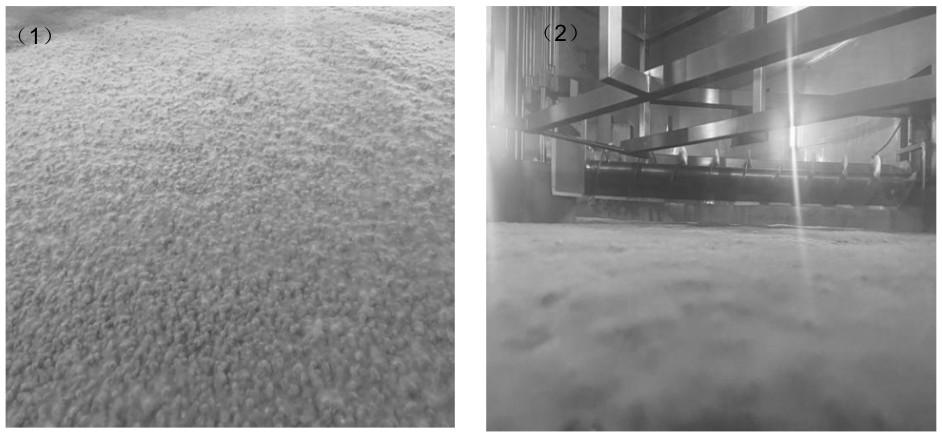
Figure 1 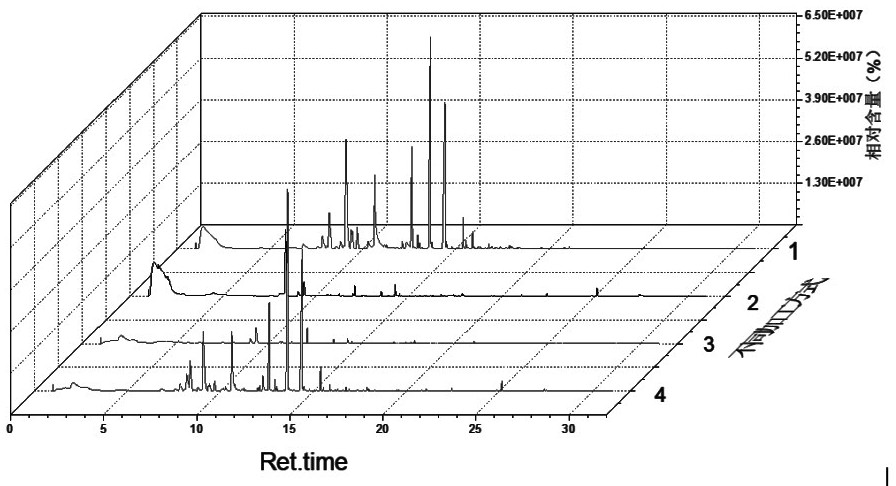
Figure 2 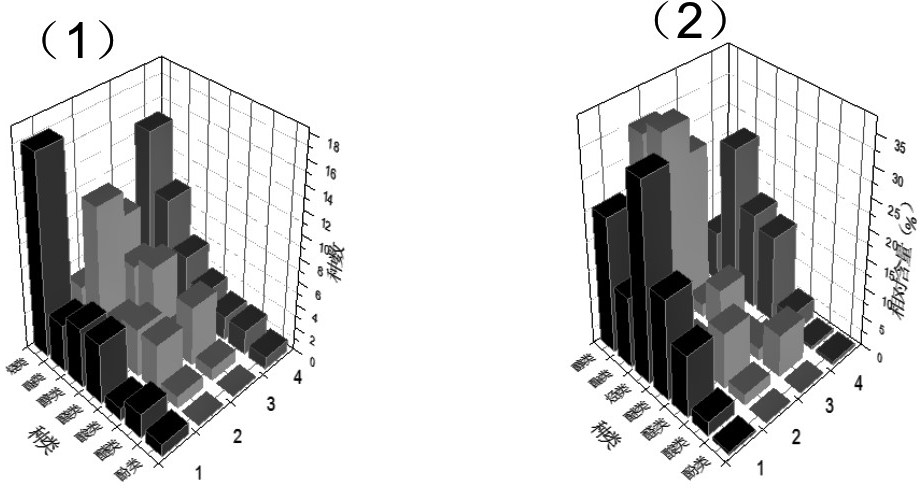
Figure 3
Abstract
Description
technical field
[0001] The invention belongs to the technical field of food processing, and relates to mucormyces racemosa and its application. Background technique
[0002] Mucor racemosa is one of the main strains for the fermented production of Douchi, which has a very rich extracellular protease system. It secretes a large number of proteases during the fermentation process, and these proteases can hydrolyze the soybean protein in the beans, fully degrade the proteins in the beans into small molecule polypeptides and free amino acids, and obtain mature tempeh with rich nutrition and delicious taste.
[0003] However, as far as the current industry development is concerned, the following technical defects still exist: 1. As far as the current mucormycetes fermented soya bean is concerned, the fermented soya bean fermented purebred has a single strain and lacks the interaction of multiple enzyme systems, and the protease activity of mucormycetes itself It is not very high...
Examples
Embodiment 1
[0032] Embodiment 1 is used to illustrate the mutagenesis method of Mucor racemosa M-THF-03
[0033]M-THF-02 was subjected to compound mutagenesis under the condition of 0.6 mg / ml 2% EMS for 30 min, and 10 strains with early transparent circles and larger colony diameters were selected, and were inoculated by spot inoculation. On the re-screened casein medium plate, culture upside down at 32°C for 3 to 7 days, compare the diameter of the transparent circle on the re-screened medium, and measure the diameter of the transparent circle and the colony on the casein medium plate, the results are shown in Table 1 .
[0034] Table 1 Results of strain re-screening
[0035] .
Embodiment 2
[0036] Example 2 Determination of the performance of Mucor racemosa M-THF-03 obtained by mutagenesis
[0037] The strain C-15, which produced a relatively prominent diameter of the transparent circle and the diameter of the colony, was renamed M-THF-03, and then it was identified by molecular biology.
[0038] 2.1 Molecular biological identification of M-THF-03
[0039] DNA extraction: Add about 50-100mg (wet weight) of fungal or bacterial cells resuspended in purified water to the lysis tube, then add 750ul of lysis solution to the lysis tube, add 500ul of lysis solution, and 150ul of KAC , 50ul isopropanol, centrifuged repeatedly for 15min; collect the supernatant, add an equal volume of 70% ethanol, centrifuge for 10min to wait for the water to be lost, then add 0.1×TE30ul, collect the supernatant to obtain the DNA of the target strain.
[0040] PCR amplification: use fungal 18Sr DNA universal primers to PCR amplify ITS1 (5'-TCCGTAGGTGAACCTGCGGAGTT3'ITS4(5'-TCCTCCGCTTATTGA...
Embodiment 3
[0048] Example 3 is used to illustrate the genetic stability verification of bacterial strain M-THF-03
[0049] After more than 10 passages, Mucor M-THF-03 has grown well and has not mutated. According to morphological observation, its texture is loose, opaque, white fluff, hyphae without septa, multinucleated, branched, and its spores are oval shape, spread widely in the culture medium, such as Figure 5 shown.