
Method of screening compounds for biological activity
a biological activity and compound technology, applied in the field of biological activity screening compounds, can solve the problems of false positives and false negatives, the complex energetics of the binding process is currently insufficiently understood to enable rational drug design using this information alone, and false negatives can be costly for the pharmaceutical industry both in research and development time and money, so as to improve the sensitivity, increase the number of stable isotopic nuclei, and improve the effect of sensitivity
Patent Information
- Authority / Receiving Office
- US · United States
- Patent Type
- Applications(United States)
- Current Assignee / Owner
- Publication Date
- 2003-04-24
- Estimated Expiration
- Not applicable · inactive patent
Smart Images
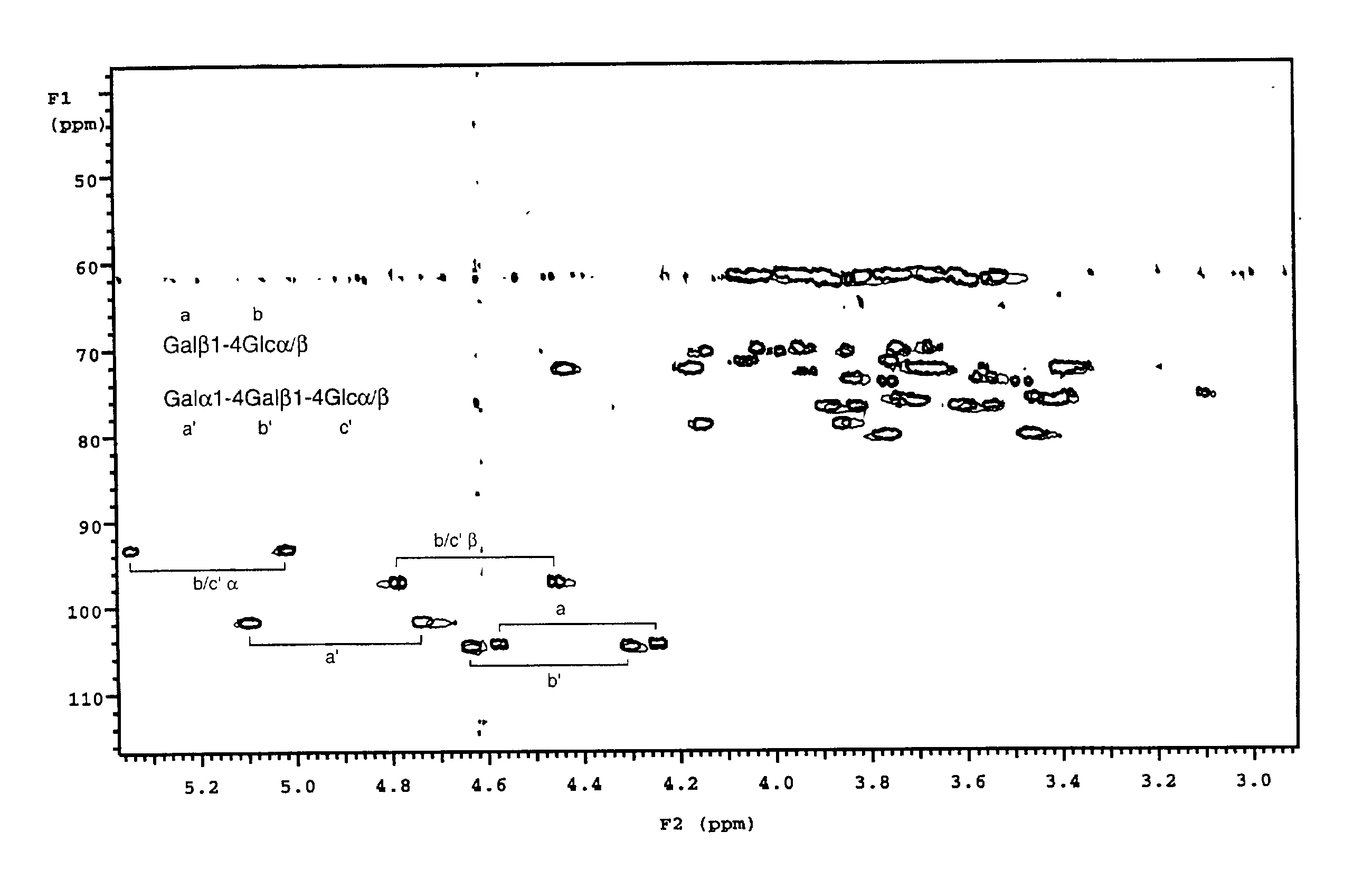
Figure 1 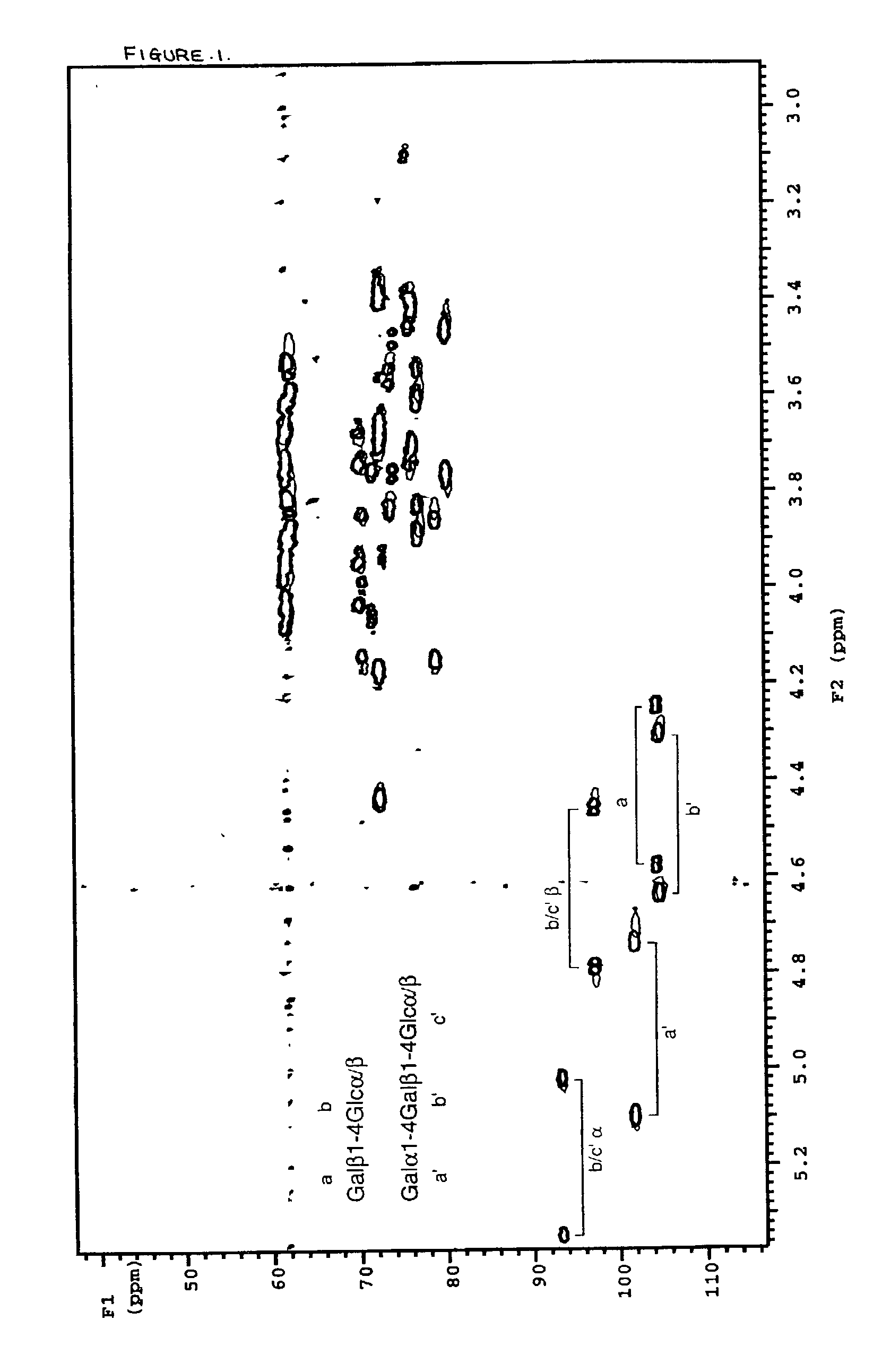
Figure 2
Abstract
Description
[0001] The present invention relates to the use of nuclear magnetic resonance (NMR) to screen and / or identify compounds which bind to specific target molecules, for use especially in screening libraries of ligands and their binding to target molecules so as to assist in rational drug design.BACKGROUND TO THE INVENTION
[0002] The various genome sequencing projects currently underway are generating data at an enormous rate. The three-dimensional structures of the target molecules encoded by the relevant gene sequences are a suitable platform for rational drug design, i.e. the design of compounds that bind to target molecules, for example as agonists or antagonists of a natural ligand, as an inhibitor, a substrate or a target vector. For the purpose of rational drug design it is even more beneficial to have a three-dimensional structure at atomic resolution of the complex between the target molecule and the natural ligand. However, the complexity of the energetics of the binding process...
Examples
Embodiment Construction
[0043] To a pre-weighed pre-washed glass septum vial (Pierce No. 13804) was added 840 ml dihexanoylphosphatidylcholine (DHPC) in chloroform solution (Sigma P4148) by use of a 250 .mu.l Hamilton microsyringe. Chloroform was evaporated in a stream of dry nitrogen gas for 15 minutes, followed by lyophilisation for at least two hours. The vial was re-weighed to determine the exact amount of DHPC (22 mg). To the dried DHPC was added 785 .mu.l deuterium oxide (Aldrich), followed by 95.8 mg dimyristoylphosphatidylcholine (DMPC, Sigma P6392), to give a 15% solution of DHPC:DMPC 1:2.9 (mol / mol). Once dissolution was complete, a further 785 .mu.l deuterium oxide was added to give a 7.5% solution. To 650 .mu.l of this solution was added uniformly .sup.13C-enriched globotriaosylceramide oligosaccharide and .sup.13C-enriched lactose, prepared as described (3) to final concentrations of 0.28 mM and 0.14 mM respectively. A .sup.13C-.sup.1H HSQC spectrum was recorded on this solution at 308 K and p...